 Angel Doris
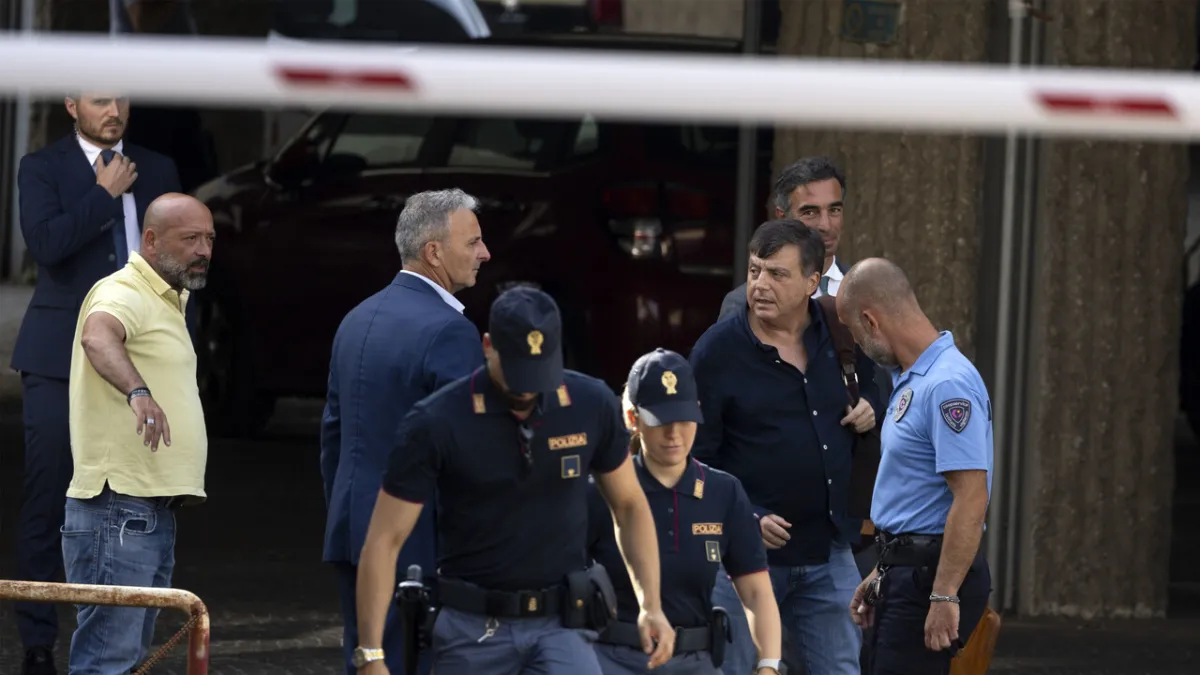
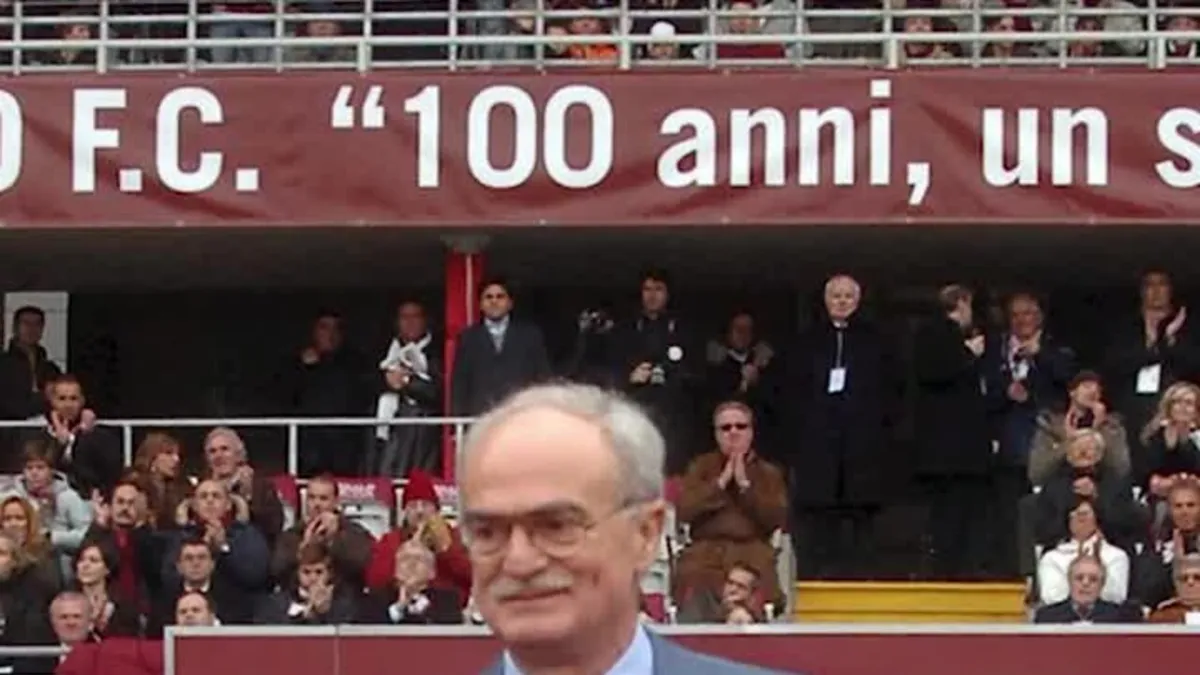
ROME — Prominent former publisher, Lavitola, today underwent an intensive two-hour interrogation before Public Prosecutors in Rome. With a visibly shocked and firm expression, he vehemently denied all accusations leveled against him, stating unequivocally, "It wasn't me." This incident immediately surfaced, adding to the escalating political intrigues in Italy as the second half of 2026 approaches.
Lavitola's post-interrogation statement conveyed a sense of "dismay" or profound bewilderment, as if he could not comprehend the basis of the charges under investigation. Sources within the Public Prosecutor's Office indicated that this investigation focuses on alleged serious financial irregularities connected to his tenure as a publisher, although specific details remain confidential in the interest of the inquiry.
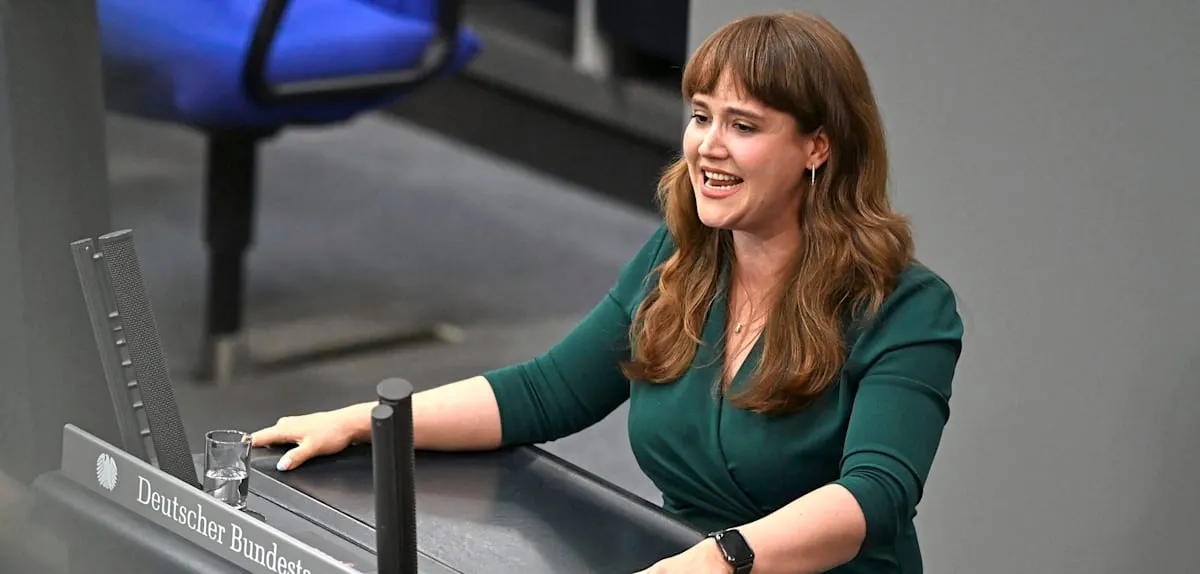
Concurrently with Lavitola's examination, the case also involves a politician, Corsini, who publicly demanded clarification from the renowned investigative journalist, Ranucci. This request, submitted through official channels, suggests a correlation between Ranucci's reporting and the "case" now under public scrutiny, highlighting the media's role in uncovering alleged improprieties.
The connection between Lavitola, Corsini, and Ranucci remains a mystery. However, political observers in Rome believe these three figures are linked in a network of information or a larger alleged scandal, potentially shaking the foundations of public trust in institutions. Lavitola himself is not a new name in Italian legal circles; his track record has often intersected with various previous controversies.
This 2026 investigation by the Public Prosecutor's Office is not just about Lavitola, but also spotlights the complex relationship between power, money, and information in Italy. This inquiry is expected to uncover practices that may harm the state and its society.
A spokesperson for the Italian Public Prosecutor's Office declined to comment further on the substance of the interrogation, merely asserting that legal procedures are being followed. "Every individual is entitled to the presumption of innocence until a final court verdict is rendered," the spokesperson told the media.
In the volatile political dynamics of Italy 2026, such a case carries significant destructive potential. Prime Minister Giorgia Meloni's administration, striving to maintain national stability and Italy's international role, especially after calls for new priorities for NATO commitments as reflected in the article Meloni Guncang NATO: Italia Urges New Priorities for Sustained Commitment 2026, will undoubtedly monitor these developments closely.
Corsini's demand for clarification from Ranucci, a journalist known for his sharp investigations, also adds a new dimension. The public awaits Ranucci's response, which could potentially reveal surprising details related to the "case" in question. This brings to mind the observation of a figure who once declared, "Disseminated Information Is Not a State Secret!"
Political analysts argue that this scandal could be a serious test for Italy's judicial and media systems. Integrity and transparency are crucial to ensure that the truth is revealed and justice is served, without political intervention or hidden agendas.
This scandal demonstrates that, even in 2026, issues of corruption or abuse of power remain a persistent specter. The Lavitola case and Corsini's demand against Ranucci are the latest episodes in Italy's long narrative of combating practices that undermine democracy. Society hopes for a swift and fair resolution for the sake of public trust.