 Dorry Archiles
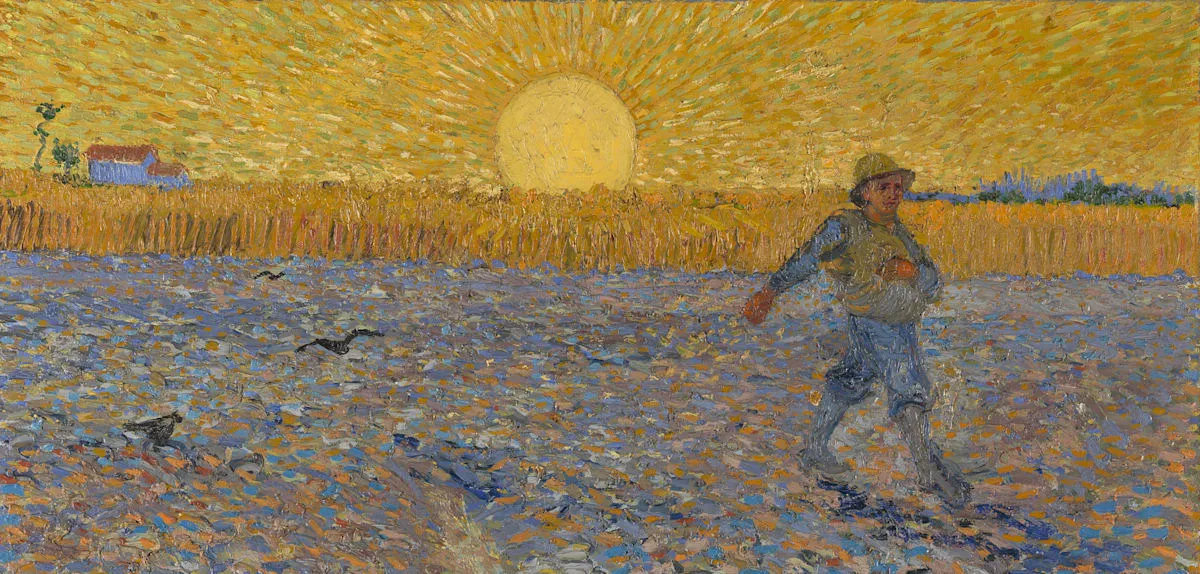
EUROPE — The second half of 2026 promises an exceptional treat for art and culture enthusiasts. Several leading museums in major cities such as London, Paris, Amsterdam, Rome, and Madrid are preparing to showcase fifteen highly anticipated exhibitions, encompassing an artistic spectrum from modern minimalism to baroque opulence. This initiative offers a unique opportunity to delve into the works of star artists and discover new talents, shaping Europe’s dynamic cultural landscape throughout this second semester.
The curation of these exhibitions demonstrates boldness and innovation, far exceeding conventional expectations. Visitors can anticipate a multidimensional experience where historical narratives meet contemporary interpretations, and classical art traditions engage in dialogue with avant-garde explorations. Each city offers unique characteristics in presenting these masterpieces.
LONDON — The British Museum, for instance, is reportedly organizing a major retrospective for a contemporary artist whose works frequently provoke deep thought on identity and globalization. Meanwhile, Tate Modern may highlight minimalist art movements whose influence continues to be felt today, offering fresh perspectives on the essence of simplicity.
PARIS — The French capital is equally captivating. The Louvre is rumored to be preparing an exhibition that will rediscover the richness of the Baroque period with a focus on rarely exposed masters. The Musée d'Orsay, on the other hand, might feature Impressionist works never before publicly exhibited, a strong draw for 19th-century art aficionados. Paris Mesmerizes: Chanel Presents Fairy Gowns from Classic Tales at Grand Palais
AMSTERDAM — The Netherlands, through the Rijksmuseum in Amsterdam, is expected to present a magnificent collection of Dutch Golden Age art, exploring its maritime cultural heritage and global trade. The Stedelijk Museum may feature innovative contemporary art installations, challenging visitors’ perceptions of space and form.
ROME — In the heart of Italy, the Borghese Gallery in Rome could potentially bring back rarely seen classical sculpture exhibitions, paying homage to the beauty and precision of ancient carving. Concurrently, MAXXI will focus on modern Italian architecture, highlighting the evolution of post-war design that shaped contemporary cities. Premio Strega Final: After Controversy, Rome Ready for Literary Feast
MADRID — Spain, through the Prado Museum in Madrid, may revisit the Spanish Renaissance period with a captivating collection of paintings. The Reina Sofia, complementing this, will explore 20th-century art with a focus on Surrealist and Cubist movements that transformed the art world.
Beyond these major cities, several other European cities are also prepared to contribute to this art festival. Each exhibition is designed not only as a visual spectacle but also as a profound reflection on history, society, and the future.
This collection of exhibitions reaffirms Europe’s position as a global cultural hub that continually innovates. Visitors are not only treated to visual aesthetics but are also invited to interact with rich narratives, inspiring critical thought and a deeper appreciation for art.
It is hoped that these grand exhibitions will boost tourist numbers, simultaneously revitalizing the tourism and cultural sectors that were previously impacted. Cultural ministries across various European nations have coordinated to ensure accessibility and safety for all visitors.
With so many options on offer, the second half of 2026 presents an ideal time for anyone wishing to immerse themselves in the vibrant pulse of European culture. From modern minimalism to majestic baroque, each exhibition is a new chapter in an unforgettable artistic journey.