 Edward DP Situmorang

LEIPZIG – Leipzig Airport, Germany, was recently rocked by a mysterious cargo container fire, triggering intense investigations that now point to a suspected 'shadow war' between nations. A Ukrainian national, Vasili Kovacs, whom some investigators suspect of being a 'disposable agent' of Russian President Vladimir Putin, has now spoken out. He claims to have been merely a pawn in a larger geopolitical intrigue, an admission that shakes the initial narrative.
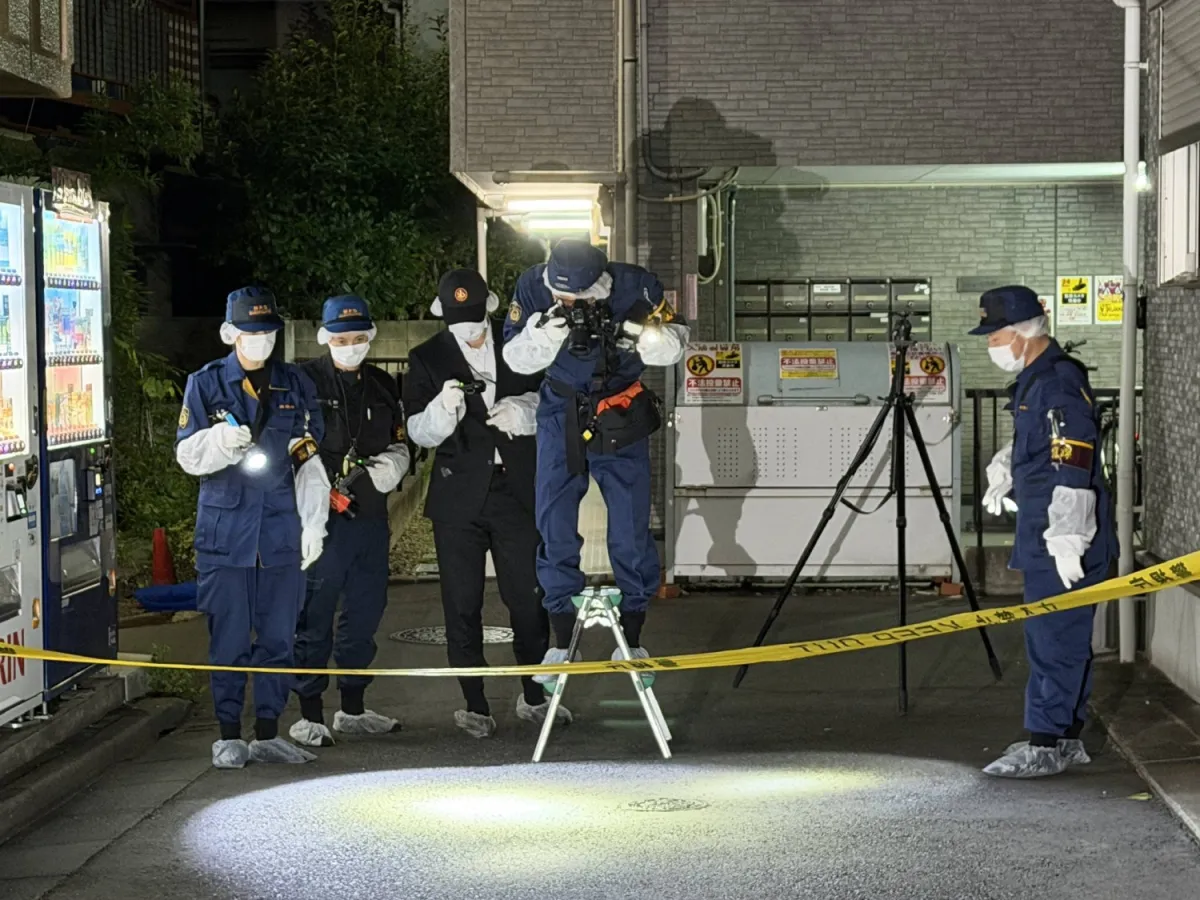
The tragic incident began when a package transported by Kovacs from Latvia to Lithuania was linked to the burning of a cargo container at the crucial airport logistics facility. The fire, which engulfed the container, caused significant damage and raised major questions about its motives and perpetrators.
Investigators from various European intelligence agencies immediately stepped in, highlighting Kovacs profile and his role in the shipping chain. Initial suspicions pointed to the possibility that Kovacs was part of a Russian intelligence network, utilized as a disposable asset to achieve specific objectives involving destabilization or sabotage.
However, Kovacs firmly denied these accusations. In an exclusive interview revealed by WELT AM SONNTAG, he expressed feeling like a victim. 'I was just an ordinary courier. I knew nothing about this big conspiracy,' he stated, emphasizing his vulnerability amidst the vortex of conflicting national interests.
WELT AM SONNTAG gained rare access behind the scenes of the investigation, uncovering the complex dynamics of a 'shadow war' that is not always apparent. The information obtained indicates that many parties may be involved, and the Leipzig incident is merely the tip of the iceberg in a fierce intelligence rivalry.
Kovacs assertion deepens the mystery surrounding the Leipzig fire, shifting the perspective from a singular act of terrorism to part of a broader intelligence strategy. This reinforces suspicions that non-state entities or proxy agents are often used to carry out sensitive operations without leaving direct traces of major powers.
The German government has not yet issued an official statement regarding Kovacs claims, but the incident certainly heightens vigilance against potential cyber and physical security threats from vaguely identified actors. Geopolitical tensions in Eastern Europe, particularly following the war in Ukraine, provide an important context for understanding the escalation of such conflicts.
Kovacs claims resonate strongly with previous intelligence reports highlighting Russian interference in various European incidents. For instance, the 'Bomb Threat Shakes Europe: Intelligence Uncovers Russian Hand Behind Hoax' incident once showed a similar pattern related to destabilization efforts.Bomb Threat Shakes Europe: Intelligence Uncovers Russian Hand Behind Hoax.
This event in Leipzig could be the latest indication of the use of 'disposable agents,' an ancient tactic in the world of espionage that is making a resurgence. In this scenario, individuals are recruited to perform specific tasks with the understanding that they may be abandoned or even sacrificed if the mission is exposed.
The Ukrainian government, through its spokesperson, expressed deep concern over the arrest and accusations against its citizen. They demand a transparent and fair investigation, as well as the protection of Vasili Kovacs human rights.
Editorial Insight: The fire incident at Leipzig Airport and Vasili Kovacs claim of being a victim of a shadow war illustrate the complexity of the current global security landscape. More than just a fire, this event underscores the manipulation and proxy wars waged behind the scenes, often sacrificing civilians. A fair and open investigation is crucial to uncover the truth behind this intrigue, serving as a stark warning to all parties involved in destabilizing regional security.