 Demian Sahputra
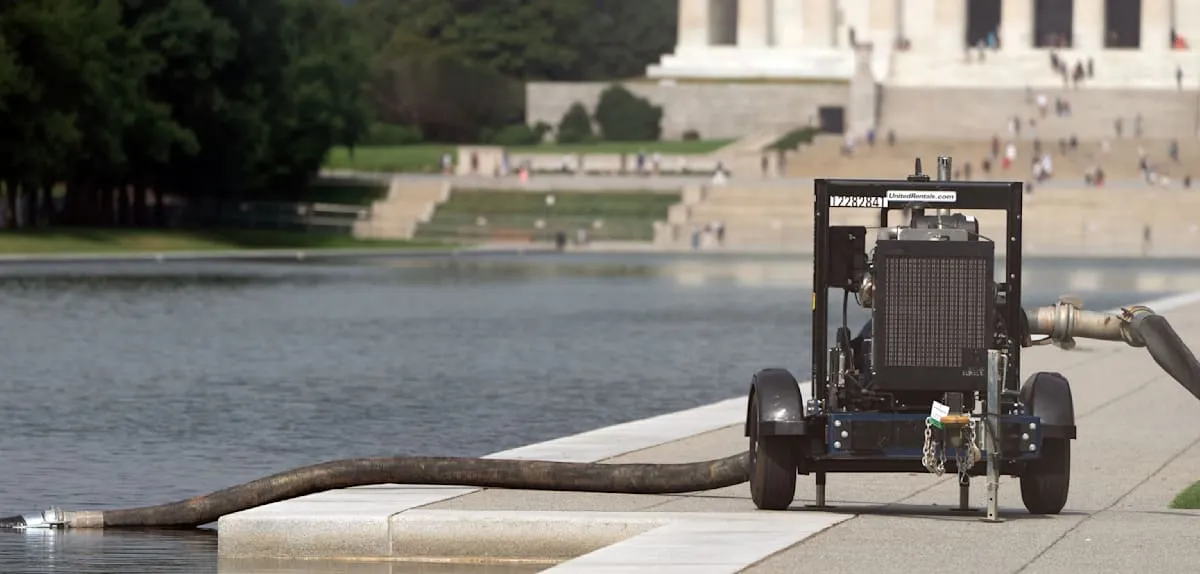
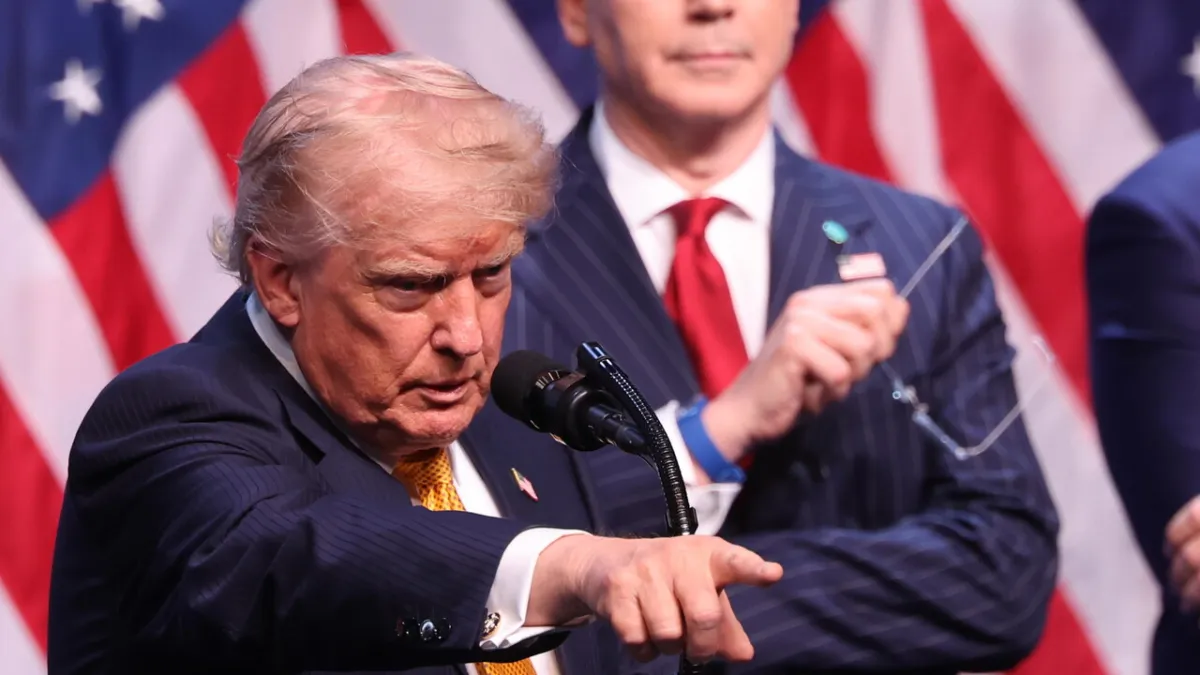
Washington D.C. — The iconic reflecting pool at the Lincoln Memorial was completely drained again in early 2026, following a series of problems involving massive algae growth and paint peeling. This situation emerged after a controversial directive from former President Donald Trump during his tenure to color the pool "American Flag Blue," which now sparks public debate and serious accusations against a former Olympic athlete.
The issue originated from Donald Trump's decision years ago to have the pool at the historic monument colored with an "American flag blue" hue. This noble intention to reinforce national identity, unfortunately, led to unforeseen complications affecting the pool's infrastructure and water ecosystem.
Since the implementation of this coloring policy, the pool's condition has steadily deteriorated. Reports from the national park maintenance team indicate that the blue paint used began peeling off massively, leaving debris that soiled the pool's bottom. More alarmingly, algae growth is now uncontrolled, turning the water's clarity into a murky green that detracts from the aesthetic of this important site.
Maintenance workers have had to labor extensively to drain the pool water and clean up the remnants of paint and algae. This repeated draining and cleaning process indicates that the existing problems are not just isolated incidents but long-term consequences of the chemical changes applied to the pool.
Amidst this turmoil, a former Olympic athlete, whose identity has not been fully disclosed, has been caught in a legal battle. The individual now faces charges of vandalism related to the damage occurring in the pool. Prosecutors allege intentionality in several incidents that exacerbated the pool's condition.
However, the former Olympian's legal team vehemently denies all accusations. Through their counsel, they state that all alleged damages attributed to him are baseless. The case is now proceeding in court, drawing public attention and raising questions about who is truly responsible for the degradation of the Lincoln Memorial pool's condition.
This incident also highlights the complexity of maintaining historical sites. Aesthetic changes made without comprehensive consideration of environmental and material impacts can lead to long-standing problems. The escalating costs of pool repair and maintenance represent a significant burden on the government budget.
Environmental experts have voiced their concerns regarding the impact of pool coloring on aquatic flora and fauna, even though the pool primarily functions as a reflecting pool. The use of certain pigments, especially if not up to standard, can disrupt the micro-ecosystem's balance within the water.
This controversy is not merely a matter of infrastructure maintenance but also symbolizes a broader debate about the legacy of political policies that can leave physical and legal imprints. The public awaits clarity from the ongoing legal process and long-term solutions to restore the Lincoln Memorial pool to its majestic original state.
Local government and national park managers are currently evaluating the best options for a complete restoration of the pool. Discussions on selecting more environmentally friendly paint materials and sustainable cleaning techniques are top priorities. The legal case involving the former Olympian and criticisms of former President Trump's past policies serve as valuable lessons in managing crucial public assets.
The alleged acts of vandalism contributing to the pool's damage also raise concerns about the security of other historical sites. Vandalism incidents, whether intentional or not, can cause significant harm to a nation's cultural and historical heritage.