 Debby Wijaya
LORETO — A brutal murder shook the tranquility of Loreto, Italy, during the night, when a 39-year-old man violently ended his wife's life with a stabbing. The tragedy, revealed after the husband surrendered to authorities, has sparked a wave of grief and public outrage. Local authorities promptly detained him to investigate the motives behind this horrific act.
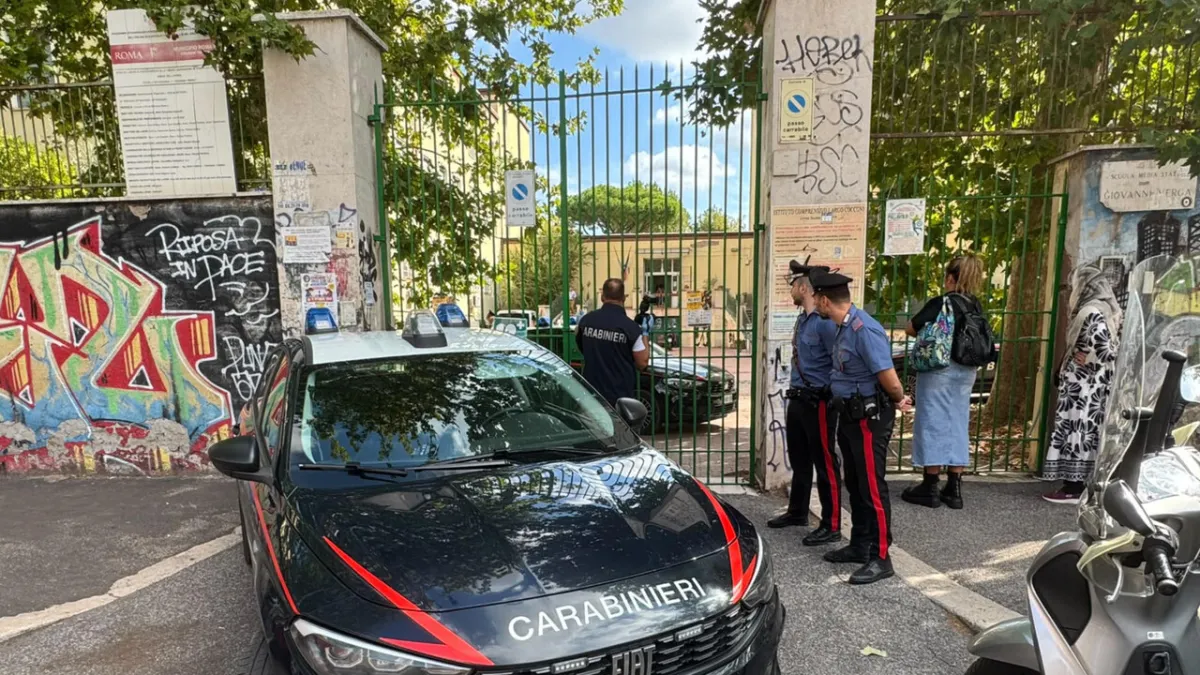
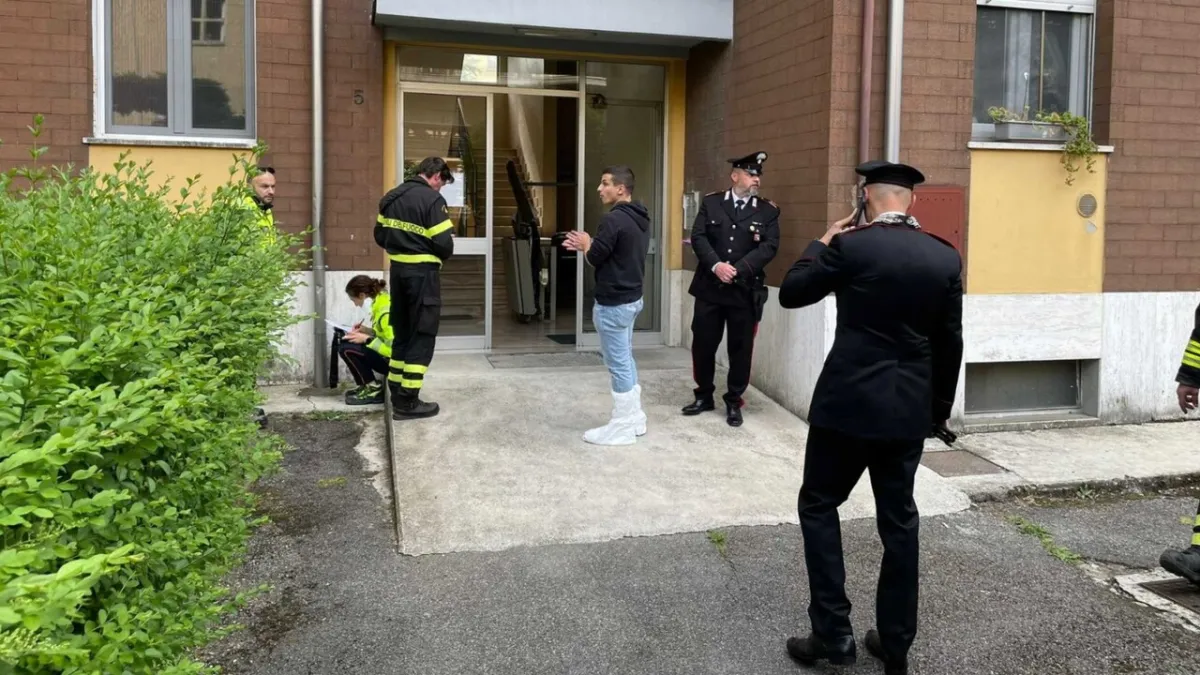
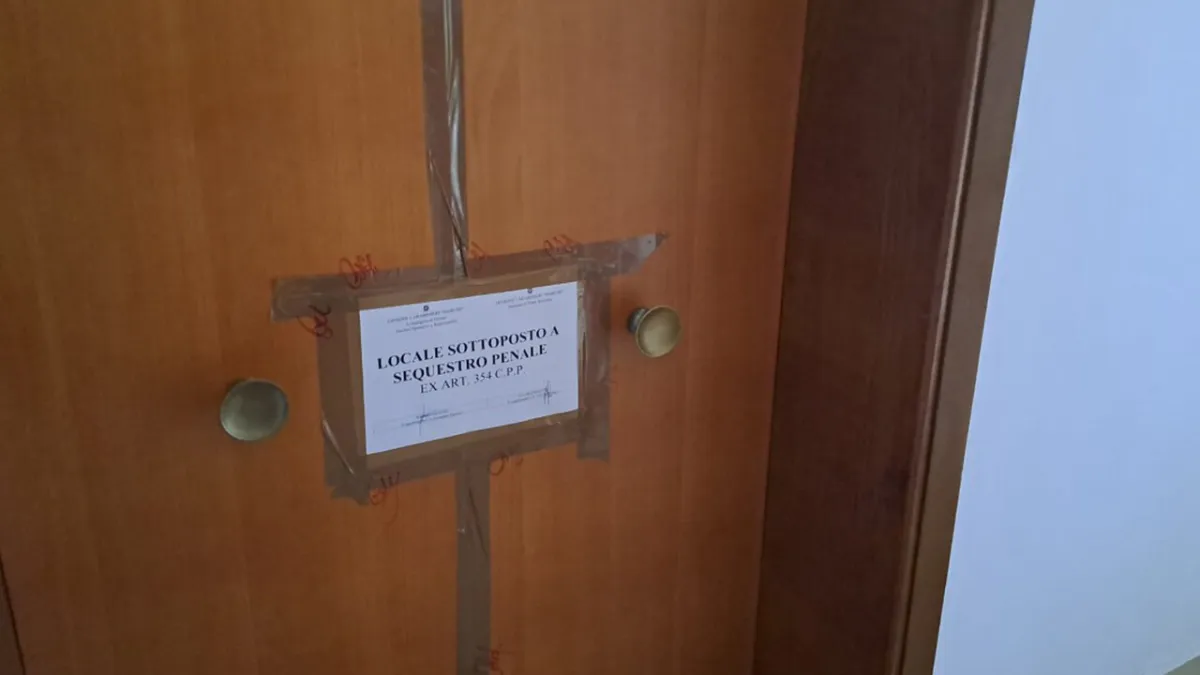
The unfortunate incident occurred at the couple's residence, where the wife was found deceased with severe stab wounds. Loreto's usually quiet atmosphere instantly turned tense following the rapid spread of this tragic news. Carabinieri officers arrived at the scene after the perpetrator's surrender.
The man, whose identity has not been released in detail by authorities, reportedly went to the Carabinieri office and stated, "I killed her." This direct confession became the starting point for further investigation by forensic teams and detectives to gather evidence and reconstruct the sequence of events.
This case adds to a long list of femicide cases in Italy that continue to draw national attention. The phenomenon of violence against women, especially those resulting in death at the hands of their partners, has triggered strong demands from various human rights organizations and civil society for more serious handling.
The community of Loreto, a town known for its peacefulness, is now grappling with disbelief and sorrow. Several residents expressed deep concern about incidents of domestic violence, which often remain hidden behind closed doors.
Initial investigations indicate a serious quarrel preceded the stabbing, but specific details of the motive are still under development. The Carabinieri vowed to thoroughly examine every aspect of the case to uphold justice for the victim.
Similar cases have occurred and captured public attention, for instance, the Hamburg stabbing mystery, which also shocked many. This event in Loreto serves as a reminder of the importance of protection systems for victims of violence.
Sociologists and forensic psychologists believe that such incidents often stem from the complexities of interpersonal relationships, mental health issues, and socioeconomic factors. Public education on the signs of violence and the importance of seeking urgent help becomes crucial.
The Italian government, through the Ministry of Interior and the Ministry of Equality, has repeatedly stated its commitment to eradicating gender-based violence. Various intervention programs and reporting channels have been strengthened to provide support for women in vulnerable situations.
The detention of the perpetrator is expected to bring relief to the victim's family and the community seeking justice. The subsequent legal process will involve a potentially lengthy trial, where all evidence and testimonies will be meticulously examined.
This tragedy serves as a bitter reminder to all parties that the struggle against domestic violence and femicide is far from over. Loreto now stands as another symbol of social challenges requiring sustained attention and collective action from all societal elements in 2026.