 Gabriella
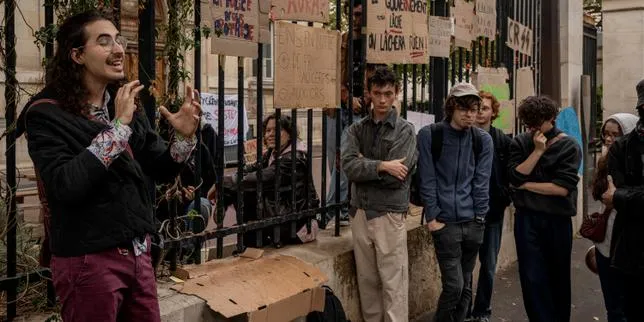
PARIS – Since October 16, 2026, the prestigious Ecole Normale Superieure (ENS) campus in Paris, France, has witnessed an innovative educational movement initiated by its students: the 'Popular University'. This initiative opens the elite campus doors to the wider public through a series of open activities, sparking both appreciation and fierce debate with the management who deem its implementation incompatible with the institution's formal framework.
ENS students, from one of France's most prestigious 'grandes ecoles', collectively launched this program with a vision to expand access to knowledge and counter the elitism often associated with higher education institutions. They offer various public lectures, workshops, and panel discussions on contemporary issues, from philosophy to science, accessible to anyone free of charge. This is a movement that originated from a grassroots initiative.
This bold step was enthusiastically welcomed by the Parisian public, hungry for literacy, especially given the issue of educational disparity which remains a serious challenge in the French capital. The presence of the public within the usually exclusive campus environment adds a new dimension to the university's role in society.
Although the content and spirit behind the 'Popular University' have received praise from various parties, including the ENS management, its implementation has created friction. The management believes that the way these activities are organized is incompatible with the institution's formal rules and procedures.
An unnamed representative from the management stated, 'We appreciate the students' initiative to share knowledge and open the campus. However, there are academic rules and standards that must be adhered to. We need to review how these activities can be harmonized without compromising the institution's integrity.'
The management's criticism focuses on logistical aspects, security, and how these non-curricular activities interact with the formal academic schedule. Concerns have been raised regarding the use of campus facilities and the potential impact on the regular teaching and learning routines of enrolled students.
However, the students argue that flexibility is key to this movement. They do not want the 'Popular University' initiative to be constrained by excessive bureaucracy, which could negate its essence of advocating for inclusive public education.
This movement is reminiscent of the waves of student protests that frequently sweep France, highlighting the perennial tension between the need for educational reform and resistance to change within established academic structures. The 'Popular University' offers an alternative, more participatory model.
The ENS students' initiative also sparks a broader discussion about the future of higher education in France and how elite institutions can adapt to become more relevant and accessible to all segments of society, not just a select few aspiring intellectuals.
This moment of October 16, 2026, is not merely about public lectures; it is a political and social statement from a young generation that seeks to redefine the boundaries of knowledge and its accessibility. It is an ideological battle involving student autonomy versus institutional authority, with the future of education at stake.
Editorial Insight:
The 'Popular University' movement at Ecole Normale Superieure reflects a strong desire among the younger generation to democratize education, breaking through the walls of elite institutions. While the initiative is highly positive in substance, resistance from the management underscores the challenges of implementing innovation in conservative academic environments. The potential long-term impact of this movement, both on educational reform in France and as a model for other universities worldwide, deserves close attention. This is an example of how students, as agents of change, can spark crucial dialogues about the relevance and role of educational institutions in modern society.