 Gabriella
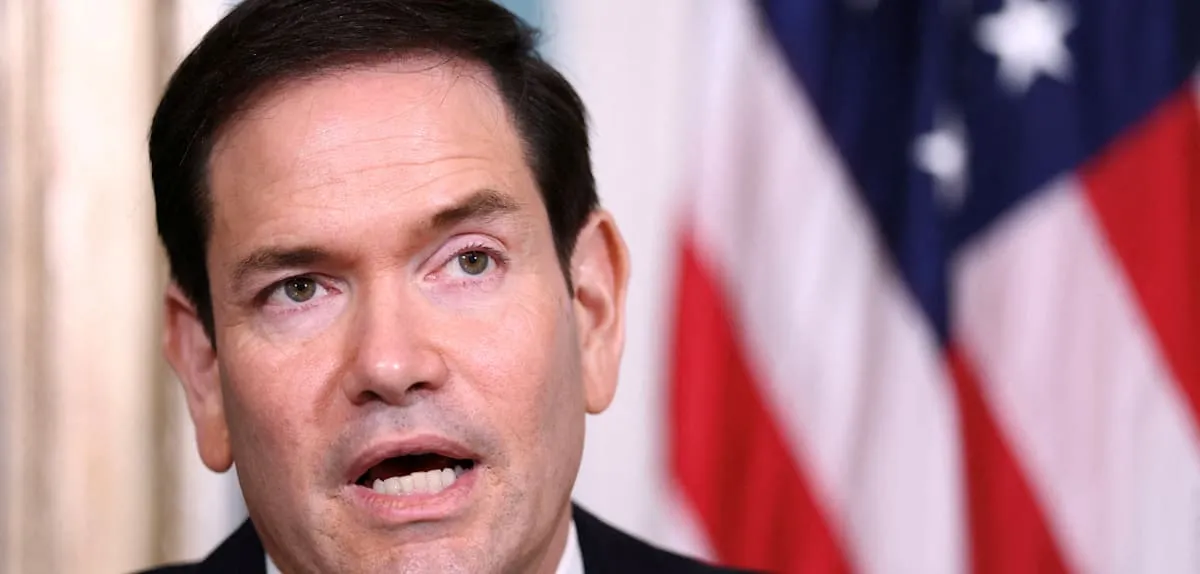
WASHINGTON – Speculation regarding Senator Marco Rubio's potential resignation as US Secretary of State intensified following a significant defeat for the Republican party in the Midterm Elections, yet he firmly dismissed the rumors. Rubio, a senior politician from Florida, declared 'I love my job' while hinting at his long-term ambition for the White House in the 2028 presidential election, refuting claims he would step down early to focus on a presidential campaign.
Rumors about Rubio's intention to leave his strategic position under President Donald Trump's administration emerged after the Midterm Election results fell short of expectations, sparking intense discussions among Washington political observers about the future leadership of the Republican Party. Losses in several key Congressional races ignited deep analysis regarding the need for party rejuvenation and new strategies.
Senator Rubio, known for his long track record in national politics, has long been believed to harbor presidential aspirations. His vocal involvement in foreign policy issues and his current role as Secretary of State make him a formidable figure for the upcoming contest.
In an exclusive interview with national media, Rubio dismissed narratives suggesting he would prematurely end his tenure as secretary. 'I am absolutely not resigning. There is much important work to be done here, and I am fully committed,' he stated, adding, 'I love my job; serving the American people is a great honor.'
This statement appears as an effort to quell the wave of speculation that could disrupt internal political stability and public trust in the government. Clarity regarding his status is expected to shift focus to more pressing policy agendas, both domestic and international.
Nevertheless, political analysts believe Rubio's denial does not entirely bury his ambitions. US political history records many figures who progressed from cabinet positions to presidential bids. The statement 'love my job' could be interpreted as current commitment, without closing the door to strategic preparations for the future.
Indeed, some sources within the Republican Party reveal that behind the scenes, Rubio's team is exploring potential options for the path to 2028. Experience at the Department of State is considered valuable capital for building credibility as a global leader, an essential qualification for a presidential candidate.
The big question now is how Rubio will balance demanding state duties with equally energy-consuming political preparations. A busy schedule of diplomatic meetings, international negotiations, and responses to global crises will be significant challenges.
'This is a clever move by Rubio,' said Dr. Anya Sharma, a professor of political science at Georgetown University. 'By denying resignation rumors, he demonstrates dedication, but at the same time, he does not close the door to larger ambitions. There is still time until 2028.'
The presidential nomination discourse will intensify leading up to the 2028 General Election, with several other Republican names also beginning to be mentioned as potential challengers, including senators and governors with strong support bases. Rubio must prepare a mature strategy to stand out amidst such fierce competition.
This clarification from Rubio seems to affirm that despite the turbulent post-Midterm political landscape, his primary focus remains on current responsibilities while weighing each step towards his highest political aspirations. This situation will undoubtedly continue to be a focus of public and media attention for several years to come.
Editorial Insight:
Marco Rubio's affirmation demonstrates shrewd political strategy. By refusing to resign, he projects an image of stability and dedication, essential for a cabinet secretary. However, future time and political context will determine whether this 'love for the job' will remain a priority or merely a strategic pause before moving further towards the 2028 US Presidential contest, especially given the internal dynamics of the Republican Party seeking new leadership figures.