 Robert Andrison
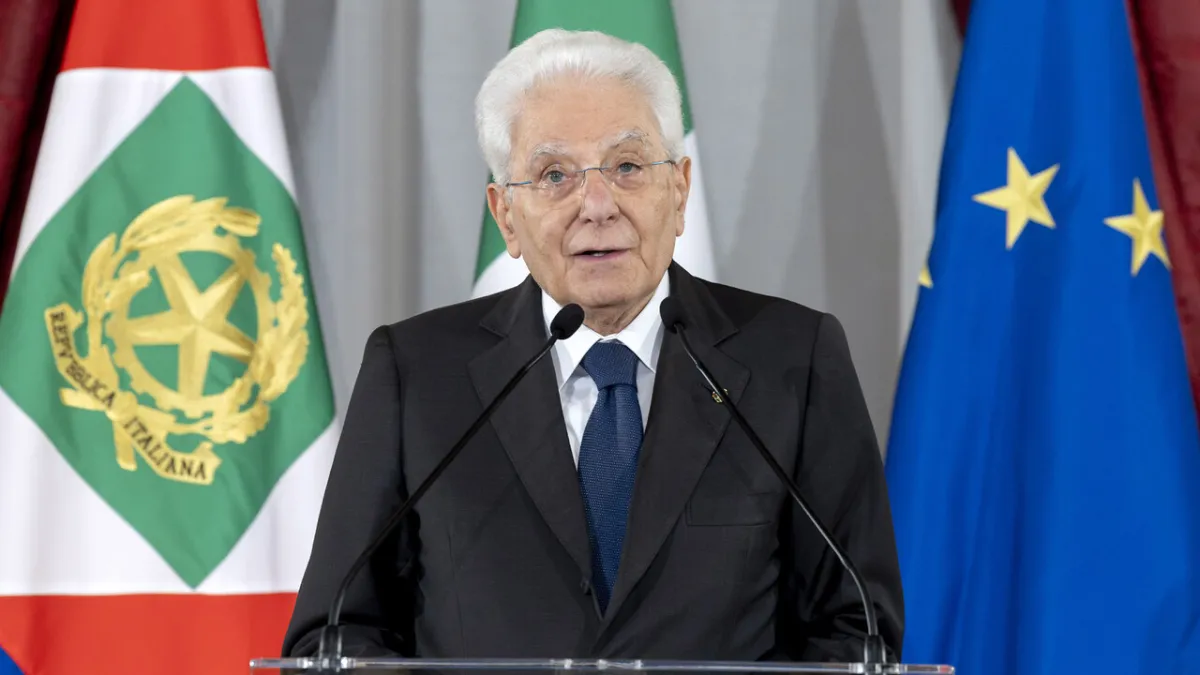
MARCINELLE – The President of the Republic of Italy, Sergio Mattarella, on August 8, 2026, emphasized the critical importance of respecting human dignity in the management of global migratory flows, while attending the 70th-anniversary commemoration of the Bois du Cazier mining disaster in Marcinelle, Belgium. This statement has drawn sharp attention amidst fierce debates surrounding migration policies across Europe.
The solemn ceremony was held to remember one of the deadliest industrial incidents in European history. The Bois du Cazier tragedy, which occurred on August 8, 1956, claimed the lives of 262 miners, most of whom were migrant workers seeking livelihoods far from their homelands.
Of the total fatalities, 132 were Italian citizens, who at the time had migrated to Belgium to work in the hazardous mining sector. This event has become a symbol of the suffering of migrant workers and the risks of exploitation they face in foreign countries.
President Mattarella’s presence and his speech at this seven-decade commemoration were not merely about remembering the past. He explicitly linked the suffering of migrant miners in 1956 with the challenges and humanitarian issues faced by migrants today.
According to Mattarella, every policy related to migration must always be based on universal humanitarian values. “The management of migratory flows must always respect the dignity of every individual, without exception,” he stated, reaffirming a fundamental principle of human rights that is often overlooked in migration discourse.
This convergence of history and contemporary issues serves as a powerful message from Italy to the international community. Italy, as one of the frontline countries facing waves of migration in the Mediterranean, possesses deep experience both as a country of origin for migrants in the past and as a destination country for migrants today.
President Mattarella’s statement can also be seen as a response to the escalating tensions within the European Union regarding the sharing of burdens and responsibilities in handling refugees and migrants. The call for human dignity demands a more ethical approach and solidarity among member states.
Moreover, the Marcinelle tragedy marked a turning point in Europe’s awareness of working conditions and workers’ rights, particularly for migrants. Following the incident, efforts to improve safety standards and worker protection were intensified in many countries.
Now, seventy years later, Mattarella's message serves as a reminder that the struggle for migrant dignity and security is far from over. This issue remains one of the greatest challenges defining humanity and the values of civilization in the 21st century.
The Italian government itself has repeatedly expressed its commitment to ensuring that similar tragedies do not recur and that worker exploitation is eradicated. This commitment aligns with global efforts to uphold labor and migrant rights. Readers can explore this commitment further in the article 70 Years of Marcinelle Tragedy: Italy Vows to Eradicate Worker Exploitation!.
Editorial Insight: President Mattarella's statement is not merely ceremonial rhetoric, but a substantial political intervention. By linking the dark history of Marcinelle with the reality of migration in 2026, he forces Europe to reflect on the root causes and historical consequences of migrant dehumanization. This message has the potential to redefine the migration narrative from a mere security problem into a fundamental humanitarian issue demanding solutions based on empathy and dignity. Its effectiveness will largely depend on the tangible responses from other European leaders.