 Angela Stefani
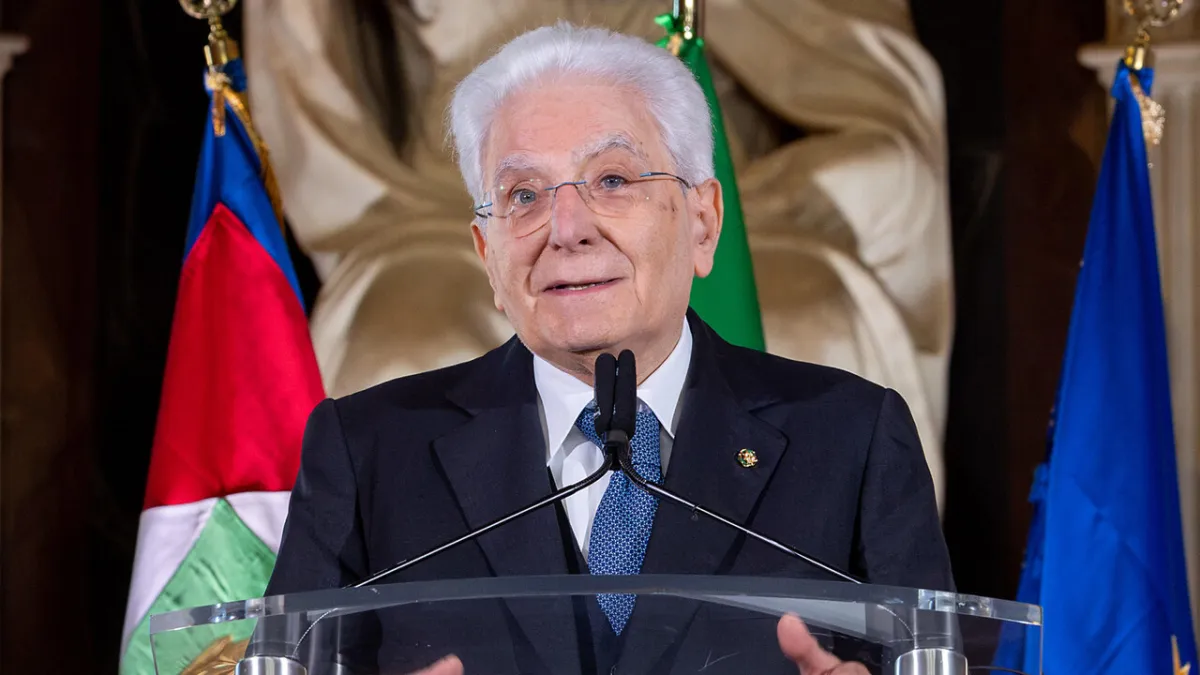
ROME – Italian President Sergio Mattarella recently and emphatically defended the urgency of vaccination as a pillar of public health, triggering an intense political uproar in Parliament. Mattarella's defense comes amid an internal dispute within the ruling coalition majority regarding a draft amnesty bill for doctors who refused vaccination. The controversial bill has now passed one legislative chamber, but the prospect of a fierce debate in the Senate is already on the horizon.
The statement from Italy's Head of State underscores the government's commitment to science and public health protection. President Mattarella, known for his composure, emphasized that vaccines are not merely an individual preventive measure but also a collective responsibility for community immunity. This stance reaffirms Italy's steadfast position in supporting evidence-based health policies.
However, within the legislative halls, the situation became far more turbulent. The majority faction, which was expected to show unity, was instead deeply divided. The vannacciani bloc, a populist faction often vocalizing alternative views on mainstream health policies, actively supported the passage of the amnesty.
This support was decisive in the bill's approval at the Chamber of Deputies level. The amnesty, if fully enacted, would allow doctors who had previously lost their licenses for refusing COVID-19 or other mandatory vaccinations to return to practice without additional penalties.
This move immediately drew strong protests from various parties, including medical professional groups and the opposition. One key party in the coalition, Forza Italia, unequivocally dissociated itself from the amnesty policy. They argued that allowing doctors who reject scientific principles to resume practice could endanger public trust in the healthcare system.
The tension surrounding this debate not only reflects philosophical differences regarding individual autonomy versus professional obligation but also a deeper political struggle. This dispute has the potential to strain the currently ruling government coalition, especially ahead of crucial discussions in the Senate.
For President Mattarella, who has previously encouraged global research and innovation, the issue of vaccination is a crucial foundation for national progress and well-being. He has consistently called for Italy to rely on scientific data and facts when facing health challenges.
The controversy surrounding anti-vax doctors is not a new phenomenon in Italy. Since the global pandemic several years ago, debates about vaccination mandates and individual rights have been heated issues. Now, with legislative efforts to pardon those who refused, this discourse has reignited.
Primary criticism of this amnesty revolves around its implications for medical ethical standards and patient safety. Many argue that a healthcare professional is obligated to follow prevailing scientific guidelines to protect patients and the broader community. Disregarding this principle could set a dangerous precedent.
With significant budget maneuvers and pressing economic issues, the Italian government faces pressure to demonstrate cohesion. However, the issue of the anti-vax doctor amnesty reveals increasingly deep cracks within the coalition, challenging their ability to harmonize policies essential for the nation.
Political observers predict that the battle in the Senate will be far more dramatic. Opposition groups and moderate elements within the coalition are likely to unite against the bill, potentially creating a legislative deadlock that could lead to a political crisis.
Editorial Insight: The debate over amnesty for anti-vax doctors in Italy reflects the perennial push-and-pull between individual freedom and collective health, exacerbated by internal political dynamics. President Mattarella's firm stance underscores the importance of scientific consensus in public policy, while the parliamentary division highlights significant challenges to governmental stability. The final outcome in the Senate will not only determine the fate of these doctors but will also send a strong message about the priorities of Italian public health in the future.