 Debby Wijaya
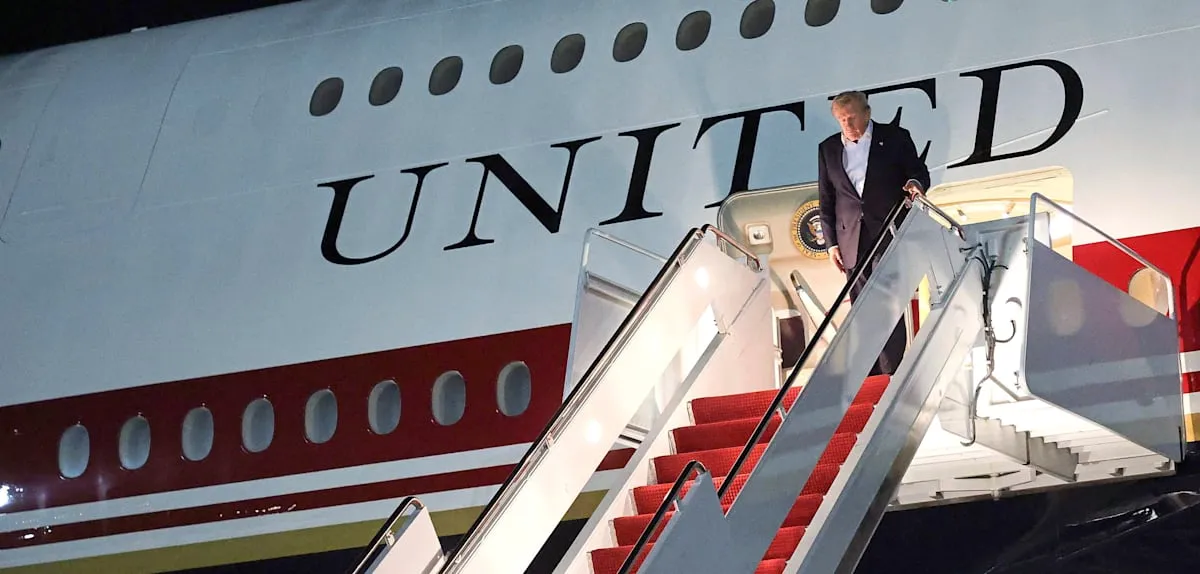
WASHINGTON, D.C. – Press freedom in the United States faces renewed scrutiny as New York Times journalists were recently formally summoned to court by federal authorities. This summons relates to their investigative reports uncovering potential security issues on the presidential aircraft, Air Force One, a complex matter given the alleged donation from Qatar. This event, with legal proceedings now unfolding in 2026, reignites a fierce debate concerning the public's right to information versus attempts to stifle media.
The summons has not only become a major focus for the journalism community but also for a public that yearns for transparency. The New York Times report that triggered this incident allegedly exposed security loopholes or potential conflicts of interest related to the funding source or modifications of the presidential aircraft. Specific details of the report remain a subject of speculation among observers.
According to internal sources, the report indicated significant concerns regarding the integrity of Air Force One, particularly following the involvement of foreign entities in its acquisition process. Although the government asserts that the security of state aircraft is a top priority, the report implied unresolved vulnerabilities.
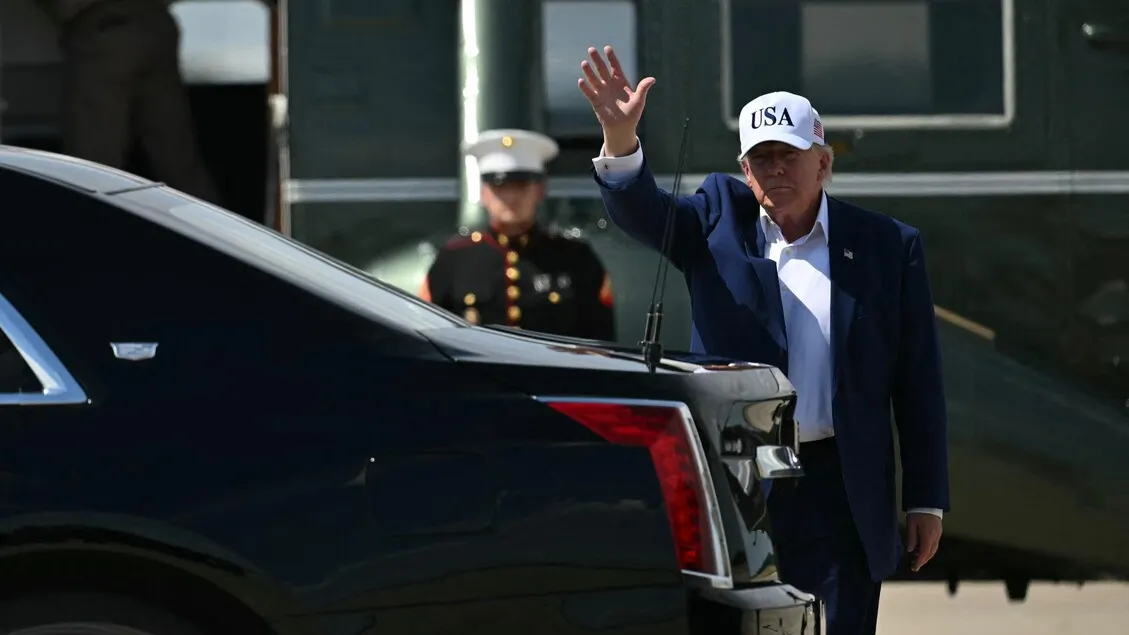
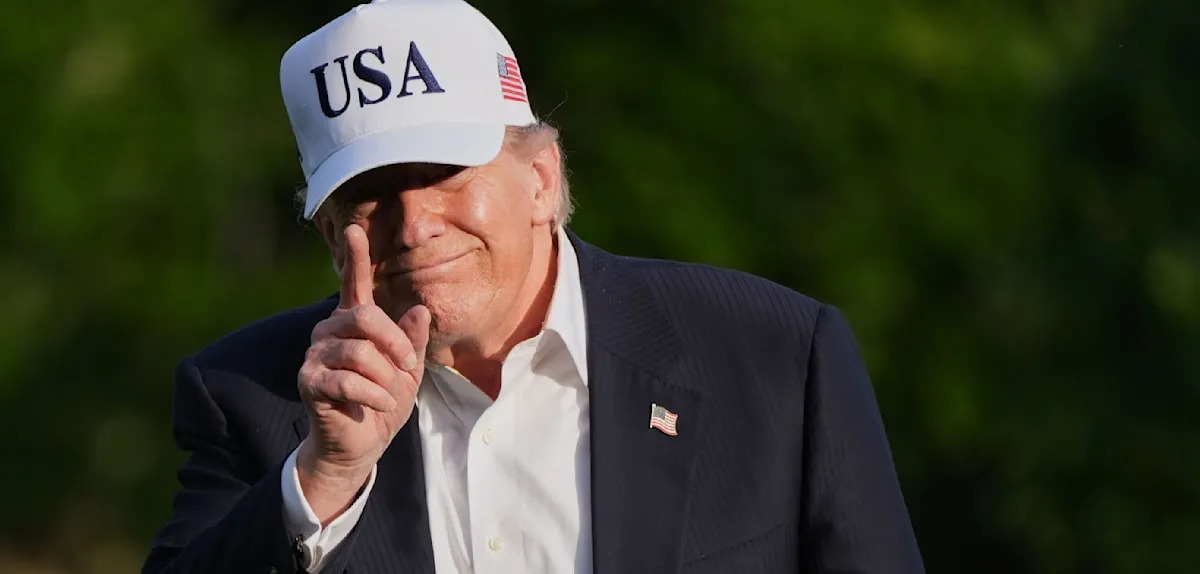
This incident harks back to the less-than-friendly climate for the media during the Donald Trump administration. President Trump was known for his harsh rhetoric against news organizations he labeled "enemies of the people," consistently attacking the credibility of investigative journalism. The current summons of journalists, despite occurring in 2026, is viewed as an echo of the information tightening policies championed during that period.
Global press freedom organizations, such as the Committee to Protect Journalists (CPJ), immediately voiced profound concerns. They asserted that actions like court summons could have a chilling effect, deterring journalists from performing their essential duty of holding governments accountable. Such practices have the potential to erode the foundations of a healthy democracy.
The ripple effect of this summons is expected to be considerable. Investigative journalists may hesitate before publishing sensitive reports, especially those concerning national security or political interests. This could directly limit the crucial flow of information necessary for citizens to make informed decisions.
The New York Times itself has not yet issued an official statement regarding its defense strategy. However, their history of defending journalists' rights suggests they are likely to fight vigorously. This case could set an important precedent regarding the boundaries of press freedom and governmental power.
Qatar's role in the aircraft's donation adds a layer of complexity to the case. Questions arise about the motivations behind the donation and whether there were hidden clauses that could affect the sovereignty or security of the United States. Bilateral relations between the two nations could be impacted by the developments of this case.
"This case is not just about one aircraft or one report; it's about the essence of democracy," stated a constitutional law expert from Georgetown University. "When journalists are intimidated for revealing the truth, public trust in institutional credibility is jeopardized." This analogy underscores the fundamental nature of the unfolding issue.
Observers predict a protracted legal process, involving arguments around Journalists' Shield Laws and the government's right to protect classified information. The federal court will face a daunting task of balancing these conflicting interests.
This case has drawn international attention, reinforcing concerns about the regression of press freedom in various parts of the world. In an increasingly fragmented and polarized media landscape, every action that suppresses independent journalism will be meticulously observed.
The challenges for modern journalism not only stem from external pressures like court summons but also from cyber threats and disinformation. Nevertheless, a commitment to facts and accuracy remains the primary bulwark amidst the storm.
The resolution of this case in 2026 is expected to provide legal clarity and strengthen protections for investigative journalism. A judicious ruling will serve as a beacon of hope for global press freedom, ensuring that critical voices are not silenced under the guise of vague security concerns.