 Angela Stefani
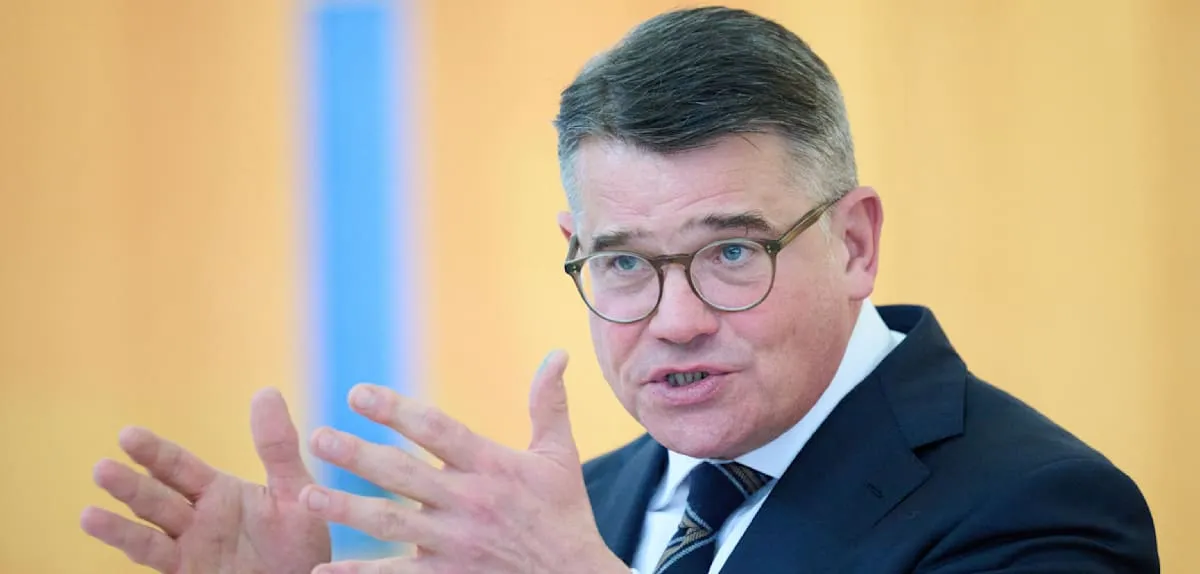
BERLIN – Hessen Governor, Boris Rhein, has openly expressed his profound frustration with the performance of Germany's federal government in 2026, stating that his patience is wearing thin. This declaration by the CDU politician comes amidst rising political tensions, which he believes hinder the success of state administrations, while surprisingly implying support for Chancellor Merz.
In an exclusive interview, Rhein did not hold back in delivering sharp criticism of the ruling coalition in Berlin. He highlighted the burden felt by apparently successful regional governments, which are nonetheless weighed down by public perception and policies emanating from the federal level.
Meine Geduld ist langsam am Ende, Rhein stated, which translates to My patience is slowly coming to an end. This phrase becomes a key focal point, reflecting a widespread disappointment among state leaders regarding the direction of federal policy.
Since early 2026, Germany's political landscape has indeed been shrouded in various challenges, ranging from economic issues to energy policies. Pressure from state leaders like Rhein indicates a deepening rift within the federal government structure.
As a senior member of the Christian Democratic Union (CDU) party, Rhein's criticism carries significant weight. The CDU, currently the main opposition, has repeatedly questioned the ruling coalition's capacity to address crucial issues.
Rhein elaborated on how the federal government's performance directly affects the legitimacy and effectiveness of state administrations. According to him, successful policies at the local level often go unacknowledged due to the negative image projected by federal instability.
Interestingly, amidst his strong criticism, Rhein also sent a signal of support to Chancellor Merz. This political maneuver can be interpreted as a strategic attempt to strengthen the CDU's position or even pave the way for a different coalition in the future. This signal of support for Chancellor Merz comes amid waves of public dissatisfaction, even manifesting in demonstrations as seen in the related article titled Jerman Bergolak: Spanduk Hina Merz, Gen Z Unjuk Rasa, Polisi Bertindak.
Analysis suggests that the root cause of this dispute lies in differing views on the distribution of power and responsibility between the federal and state governments. Rhein implicitly calls for clearer reforms in this division of tasks.
As of this report, there has been no substantial official response from the federal government. However, political observers predict that Rhein's statement will spark intense debate in the German political arena.
This dynamic is not unprecedented. Previously, various issues such as Undangan Migran Mirze Edis Guncang Jerman: Ancaman Jeda Sosial? and economic policies have frequently become friction points between Berlin and state capitals.
Editorial Insight: Boris Rhein's strong statement is more than just a mere complaint; it is a powerful indication of a potential shift in Germany's power dynamics. By openly criticizing the federal government while supporting Chancellor Merz, Rhein may be positioning himself as a key figure in a potential political realignment. This could signal the early formation of new alliances or significant pressure for more fundamental policy changes, especially with the next general election drawing closer.