 Dodi Irawan
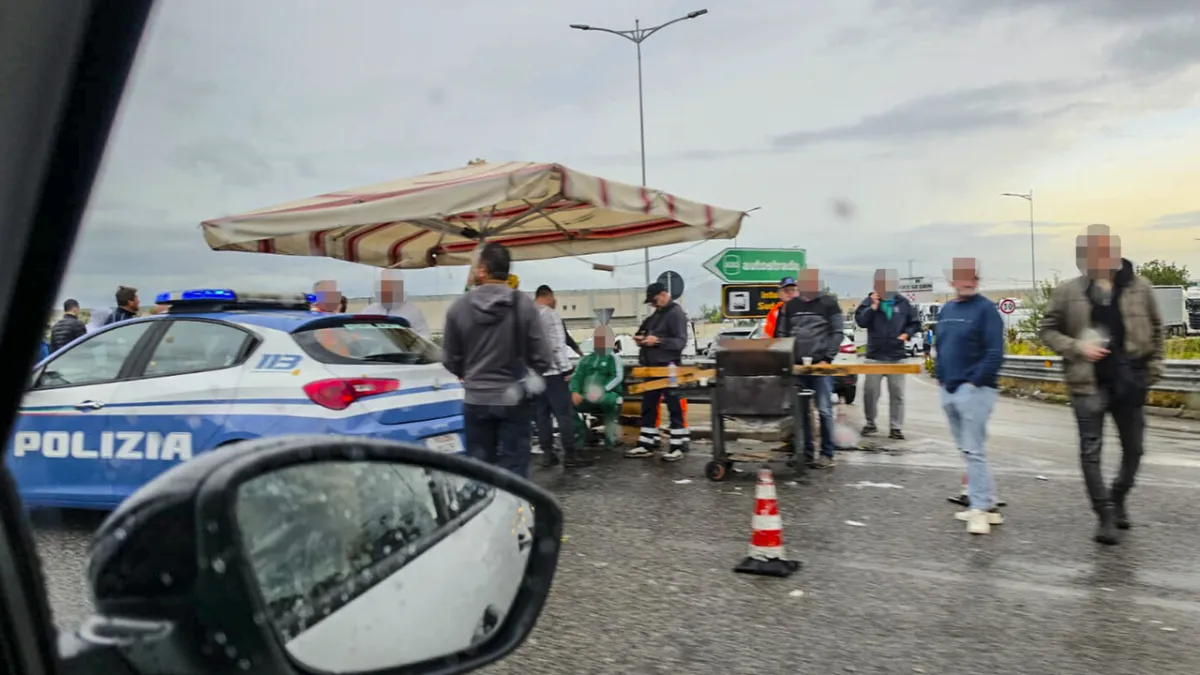
ROME – The Italian government has affirmed its commitment to ensuring the smooth distribution of essential goods and medicines nationwide, responding to the escalating truck blockade. Prime Minister Giorgia Meloni chaired an emergency meeting at Palazzo Chigi, involving the Ministry of Interior (Viminale) and various related agencies, to formulate strategies for mitigating the protests impact.
The Ministry of Interior has instructed security forces to ensure vital supplies reach the public. Police forces are prepared to escort truck convoys carrying food and pharmaceuticals for anyone who requests it. This measure aims to prevent a wider supply crisis caused by strikes and logistical route blockades.
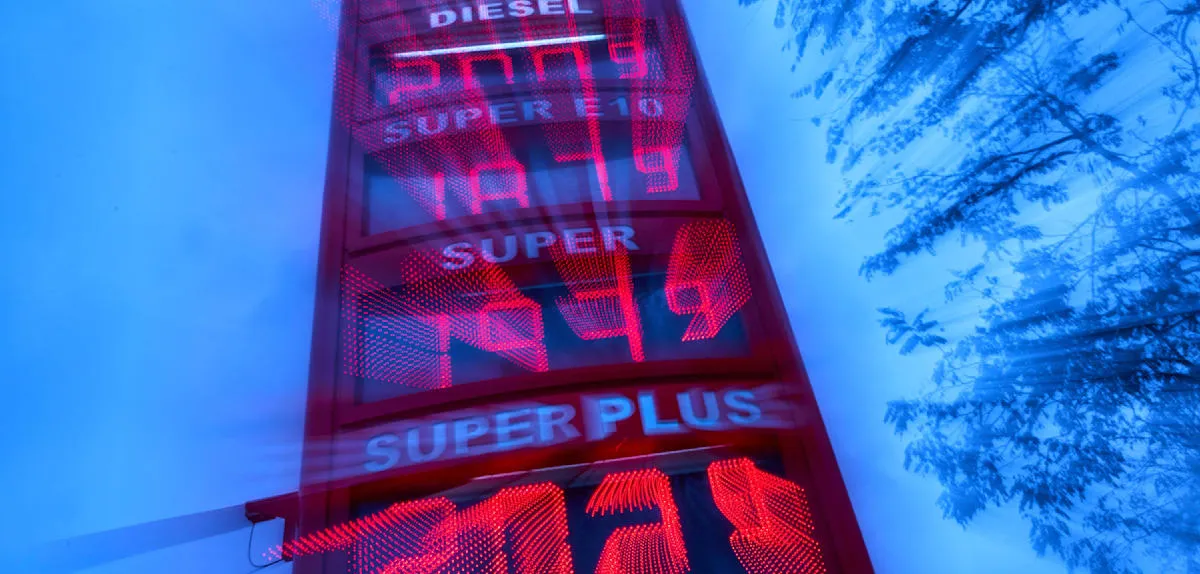
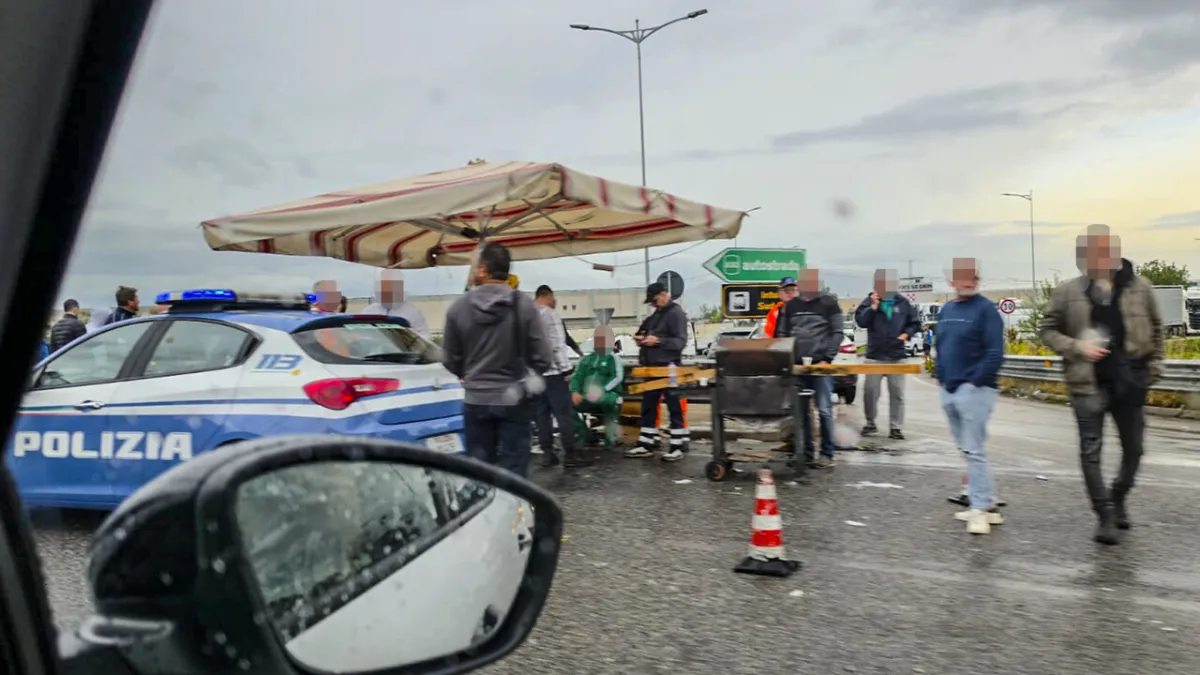
The blockade initiated by truck drivers has raised serious concerns about disruptions to the national supply chain. Articles such as Truck Driver Blockade Paralyzes Italy, Thousands Identified! and Truck Drivers Paralyze Southern Italy: Airports Face Fuel Crisis, Highways Halted indicate that some airports are experiencing fuel crises and highways are being brought to a standstill in southern Italy. This situation places immense pressure on the government to quickly find effective solutions.
The situation in southern Italy, particularly Calabria, had reached a critical point. However, positive news arrived from the Italian Logistics and Transport Federation (Fedralog), which announced a temporary suspension of the road transport blockade in the region. This decision is expected to ease tensions and allow for distribution recovery in one of the most affected areas.
The meeting at Palazzo Chigi did not solely focus on security and logistics. Discussions also touched upon the root causes driving truck drivers to take action, including demands for better working conditions, fair freight rates, and government incentives. Addressing this issue requires a comprehensive approach from various sectors.
The government's swift action demonstrates its top priority in maintaining social and economic stability. The smooth distribution of food and medicines is an essential pillar in ensuring public welfare, especially amidst current upheavals. Meloni's direct involvement in this meeting underscores the urgency of the problem.
Security forces are deployed at various strategic points, especially along key logistics routes that could be targeted for blockades. Every request for escort from distributors or transport companies will be promptly addressed to ensure essential goods reach their destinations without obstruction.
Fedralog's announcement of the blockade suspension in Calabria offers a glimmer of hope. Nevertheless, the government continues to call for constructive dialogue with all trade union elements and driver representatives to reach long-term agreements. This is crucial to prevent similar incidents from recurring in the future.
The government is also considering compensation schemes or incentives for the road transport sector affected by the pandemic and rising operational costs. Dialogue with stakeholders is expected to yield fair and sustainable solutions for all parties.
Editorial Insight:
The swift intervention by the Italian government under Prime Minister Meloni reflects serious concerns over national supply stability and potential social unrest. While the suspension of the Calabria blockade is a positive step, the real challenge lies in long-term negotiations to address the fundamental grievances of truck drivers. Failure to reach an agreement could trigger a more massive wave of similar protests, threatening Italys overall economic recovery. The governments success will be measured by its ability to balance workers demands with the broader public interest.