 Dorry Archiles
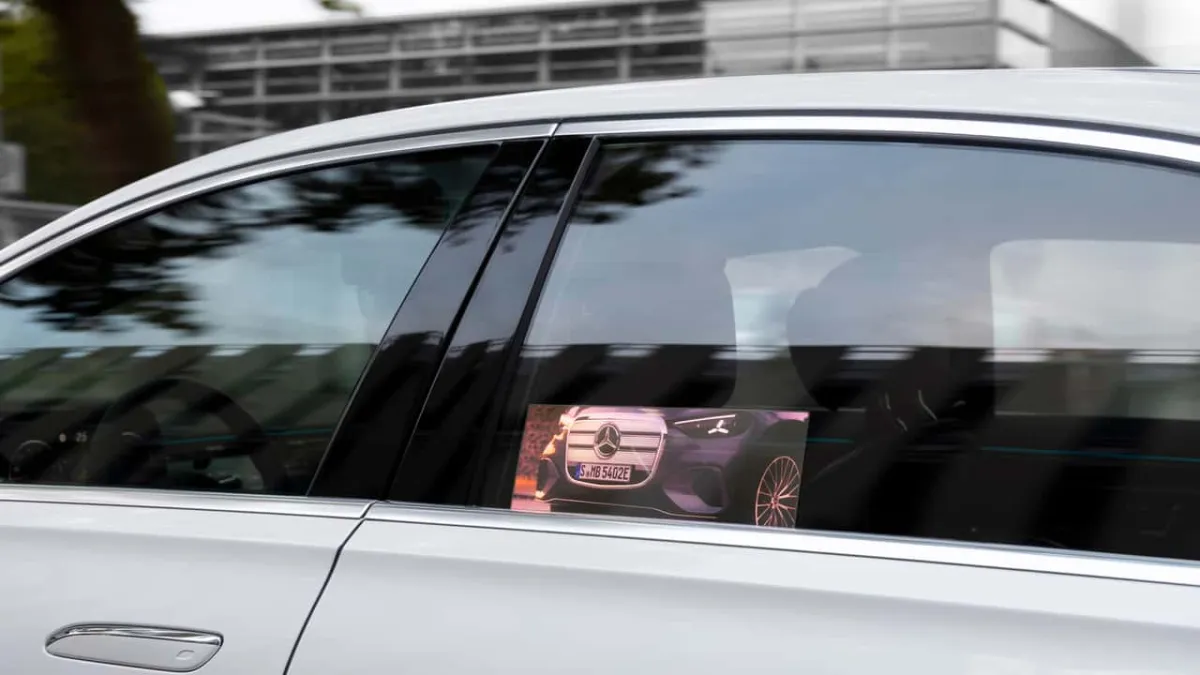
STUTTGART – German automotive giant, Mercedes-Benz, has once again shaken the industry by announcing its latest innovation in 2026: the integration of advanced screen technology directly onto car windows. This progressive step is poised to fundamentally transform the driving experience, blending functionality and entertainment within an increasingly futuristic cabin.
This cutting-edge development is not limited to a single type of display. Gathered information indicates that Mercedes-Benz is experimenting with various solutions, ranging from windows equipped with integrated light-emitting diodes (LEDs) to windshields capable of projecting holographic images. The primary goal is to create an immersive visual ecosystem for both drivers and passengers.
This technology opens up a wide spectrum of uses. Passengers can enjoy multimedia entertainment, access real-time travel information, or even participate in video conferences with enhanced privacy. For drivers, these smart windows have the potential to display navigation data, safety warnings, or traffic information without diverting attention from the road.
Automotive industry analysts project that such innovations will become a new standard in the luxury vehicle segment, gradually spreading to a wider market. The dominance of screens in car interiors is no longer new, but their integration into transparent surfaces like windows signifies a major evolution, stated Dr. Klaus Richter, an automotive technology expert from the University of Munich, in an exclusive interview.
Mercedes-Benz is not alone in pushing the boundaries of vehicle technology. Global trends show car manufacturers competing to introduce more screens and digital interfaces into the cabin. From giant digital instrument panels to rear passenger entertainment screens, the obsession with interactive visuals is intensifying. The presence of this technology reinforces manufacturers' commitment to connectivity and personalization in every journey.
Despite its promise, challenges are inherent. Aspects of safety, traffic regulations regarding visibility, and potential visual distractions for drivers must be a top priority. Furthermore, production costs and their impact on vehicle prices will determine how quickly this technology is adopted en masse.
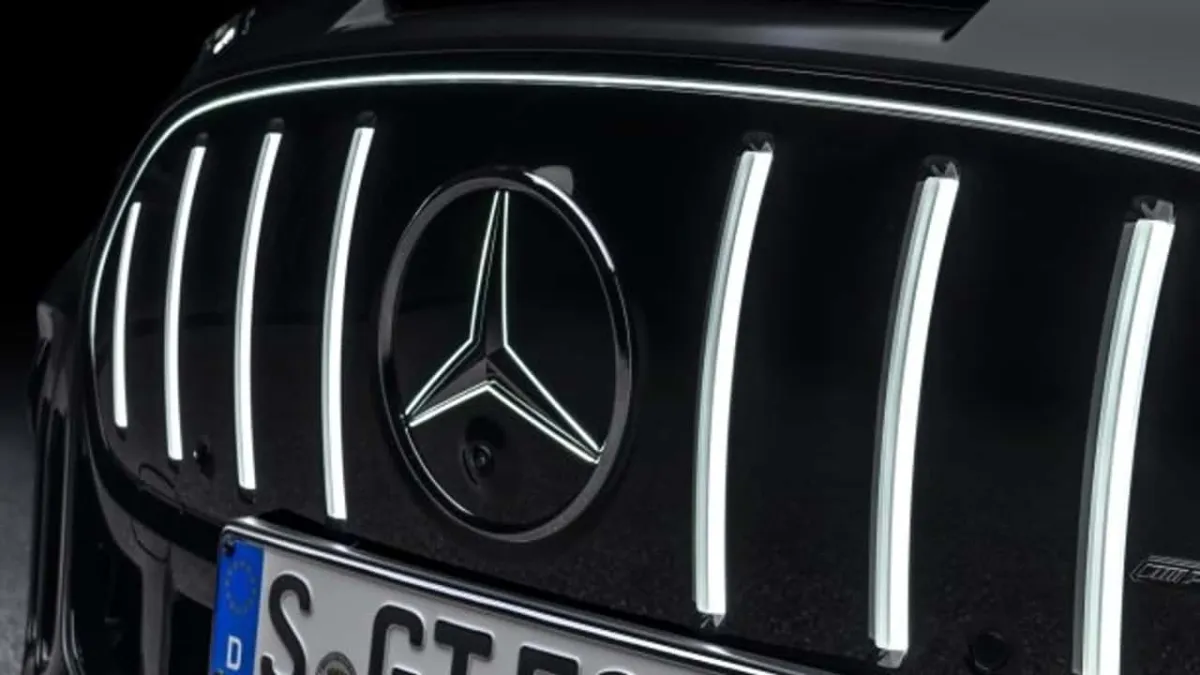
This development also highlights intense competition in the global automotive arena, where every manufacturer strives to outdo rivals with leading innovations. Mercedes-Benz itself has shown significant dynamism, as seen in the latest Mercedes-AMG CLE sensation that shook the Nurburgring in 2026, demonstrating the company's aggressive strategy in both high-performance and futuristic technology markets.
This transformation has the potential to reshape the landscape of car interior design, opening up previously unthinkable creative possibilities. Imagine a cabin whose visual theme can dynamically change, adapting to passengers' moods or journey destinations. This is not just an addition of features but a redefinition of personal space within a vehicle.
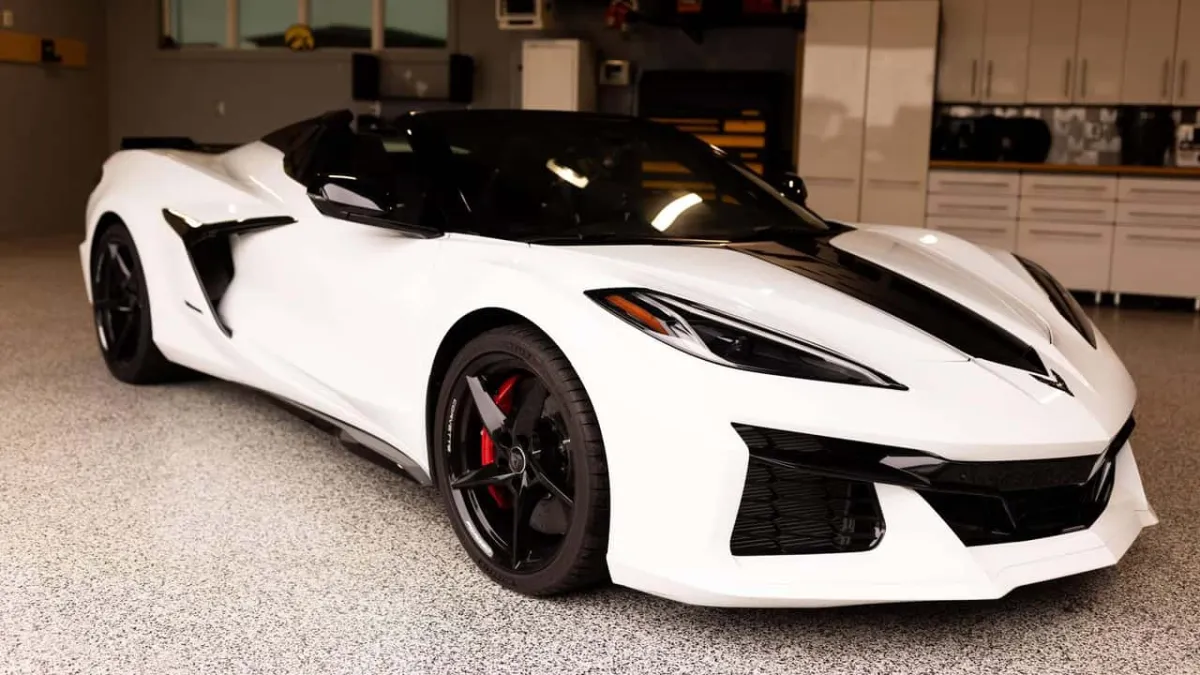
Large investments in research and development for this technology also reflect Mercedes-Benz's belief in the growth of the smart vehicle market. Amidst global economic fluctuations and changing consumer preferences, the ability to offer unique experiences is key to competitiveness. This strategy contrasts with some tightening measures, such as the reported cancellation of Chevrolet's Corvette SUV and Electric Sedan ambitions in 2026, indicating differing approaches among automotive giants.
For consumers, the advent of interactive windows promises an unprecedented level of comfort and personalization. Long, tedious journeys could become more enjoyable with customized visual content, while even short trips can be enriched with relevant information elegantly displayed.
Editorial Insight: Mercedes-Benz's window-screen innovation is not just a technological gimmick; it is a strategic leap that redefines the boundaries of car interiors. By integrating screen functionality into previously passive surfaces, Mercedes aims to create a more immersive and connected driving experience. The challenge lies in harmonizing this advanced technology with user safety and comfort, while ensuring an elegant and intuitive design. Its successful implementation will set a benchmark for the entire automotive industry in the coming decade, especially given the focus on personalization and entertainment in the era of autonomous vehicles.