 Chris Robert
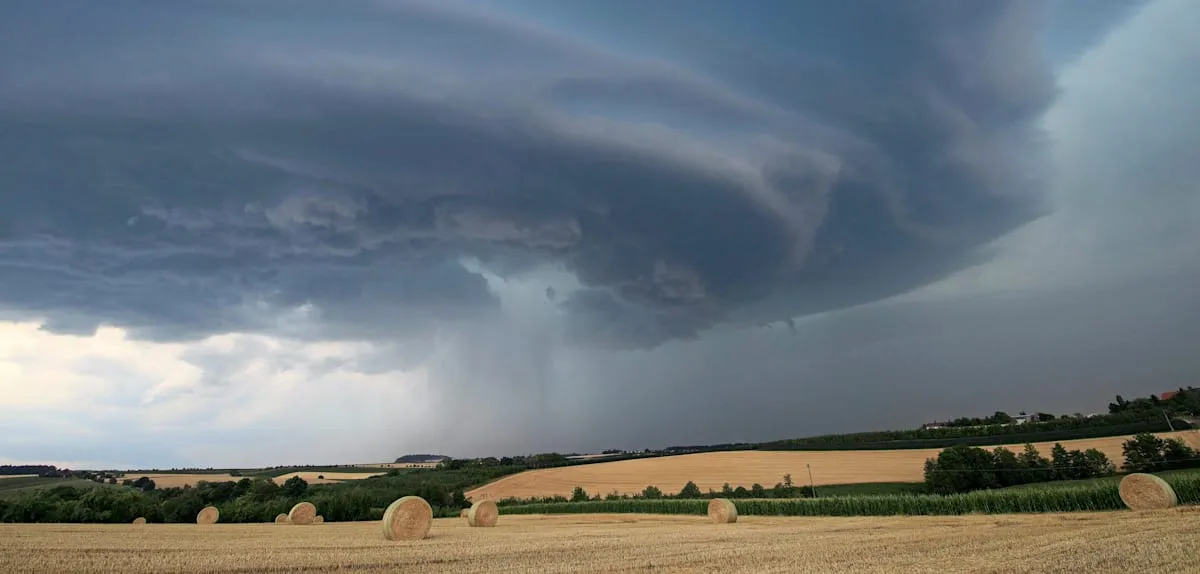
BADEN-WÜRTTEMBERG — An extreme weather phenomenon known as a supercell storm struck the Baden-Württemberg region of Germany in the early hours of April 23, 2026, causing massive infrastructure damage and claiming one life. This devastating storm, characterized by extraordinarily strong wind gusts and golf-ball-sized hail, left a trail of destruction across several cities and villages, prompting a large-scale emergency response from local authorities.
This lead paragraph outlines the immediate impact of the storm, focusing on human and material losses. Initial investigations indicate that damage to buildings was a direct consequence of the powerful winds and intense hail impact.
A supercell is a type of thunderstorm characterized by a mesocyclone, a rotating updraft within the storm. This characteristic makes it extremely dangerous, capable of producing tornadoes, large hail, and destructive winds. Meteorologists have issued warnings about the increasing frequency and intensity of such storms amidst global climate change.
Wind gusts recorded reached speeds of over 120 kilometers per hour in some locations, strong enough to fell trees, knock down power lines, and rip roofs off buildings. Fire departments and rescue teams worked tirelessly to clear debris, evacuate trapped residents, and provide first aid to dozens who sustained minor to moderate injuries.
The fatality was identified as a man in his 40s who was crushed by falling debris while attempting to protect his property. This tragic incident adds to the growing list of deadly impacts from extreme weather events increasingly observed in Europe in recent years.
The most severely affected areas include Stuttgart, Karlsruhe, and Heidelberg. Images circulating on social media showed a distressing scene: wrecked cars, fallen trees strewn across roads, and homes with significant portions of their roofs missing, exposing fragile wooden frames.
The Baden-Württemberg state government, through its spokesperson, expressed deep condolences for the loss of life and pledged full commitment to the recovery process. “Our immediate priority is to ensure the safety of our citizens and provide necessary support to those affected,” he stated during an emergency press conference.
Initial estimates of material damage are projected to reach tens of millions of euros. The agricultural sector, particularly the iconic Baden-Württemberg vineyards, also suffered significant losses due to crop damage from hail. This represents a severe blow to the local economy, which relies heavily on this sector.
Many residents had to evacuate to temporary shelters as their homes became uninhabitable. Authorities urged the public to remain vigilant for potential aftershocks and follow instructions from rescue teams. The cleanup and damage assessment process is expected to take days, even weeks.
This event once again highlights the urgency of mitigating the impacts of climate change and adapting to extreme weather phenomena. Discussions about more resilient infrastructure and more effective early warning systems are crucial. As previously discussed in related articles, integrating sustainable solutions into urban development may be critical to facing climate challenges (see: Myth of the Green City Debunked: Symbolic Failure to Counter Urban Heat?).
The supercell storm that hit Baden-Württemberg is not just about physical damage but also about community resilience and readiness to face an increasingly uncertain future due to global climate fluctuations.
The German government continues to strengthen disaster mitigation capabilities and invest in weather research to better understand and predict extreme phenomena. However, this event serves as a bitter reminder that nature possesses unpredictable power, demanding continuous vigilance and preparation.