 Demian Sahputra
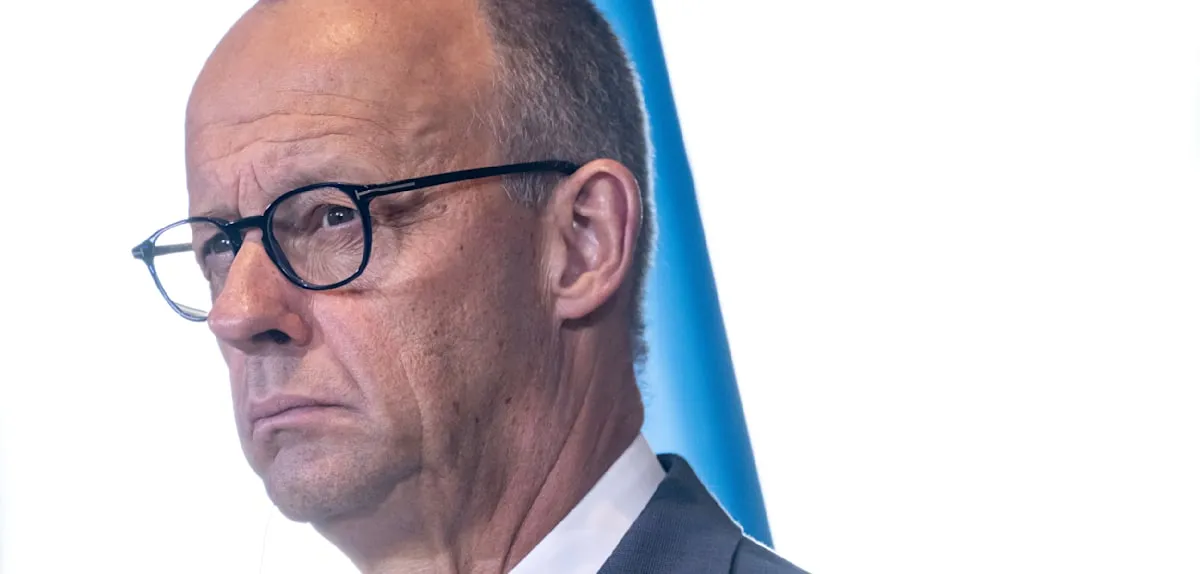
BERLIN – Friedrich Merz, leader of the Christian Democratic Union (CDU), has seen his popularity plummet to an all-time low, triggering significant internal doubts within his own party. A recent 2026 poll indicates that a majority of Germans explicitly reject the formation of an Alternative for Germany (AfD)-led government in the eastern regions, despite the AfD still leading in simulated election polls.
This drastic decline in Merz's electability highlights a leadership crisis within the Union, Germany's conservative political alliance. A national survey conducted by a leading research institution revealed that even among Union supporters, confidence in Merz's ability to lead the party is fading. This phenomenon is creating a wave of concern ahead of several crucial upcoming elections.
The AfD, a populist right-wing party, continues to demonstrate its dominance in the Sonntagsfrage, or simulated election question, with consistent support figures surpassing the Union. This widening electoral gap places the Union in a difficult position, particularly in Germany's eastern states, which have historically been fiercely contested political battlegrounds.
Despite the AfD garnering substantial support in certain electoral strongholds, the survey results explicitly indicate that the brandmauer, or firewall against cooperation with the AfD, remains robust. A significant 65% of respondents expressed opposition to a coalition that would allow the AfD to control regional governments in East Germany. This highlights a sharp discrepancy between the AfD's electoral strength and the public's willingness to accept them as governors.
Political analysts suggest that Merz's inability to attract broader sympathy, even among his own support base, is a primary factor. His political strategies, often perceived as overly confrontational, and a lack of a unifying vision are believed to have contributed to his stagnating popularity. This contrasts with the approach expected from a leader of a party as large as the CDU.
This situation adds to a long list of challenges facing Merz. Previously, the party was rocked by internal issues, such as reports of a CDU politician allegedly funding an AfD rival, which created ripples of distrust and division within the party. Such incidents have further clouded Merz's image as a unifying force.
On the other hand, the AfD's rise in East Germany cannot be ignored. Issues such as immigration, dissatisfaction with federal government policies, and regional economic hardship provide fertile ground for the AfD's narrative. However, resistance to the AfD as a governing party remains strong, signaling deep public concern about the potential for radical political shifts.
Political commentator Dr. Lena Schmidt from Humboldt University stated, Merz faces a dual dilemma: restoring internal party trust while finding effective ways to counter the AfD's appeal without alienating conservative voters. Schmidt added that the brandmauer narrative will continue to be a crucial line of defense for Germany's democratic parties.
The political situation in East Germany is critical, given several state elections scheduled in the coming years. These results will serve as an important barometer for the future of Germany's political landscape as a whole and the Union's position on the national stage.
Merz's failure to gain new momentum is feared to trigger a leadership shift within the Union, especially if state election results do not meet expectations. Speculation about alternative candidates is already circulating, although no significant public movements have occurred yet.
Editorial Insight: The political struggles in Germany, particularly concerning Friedrich Merz's position and the AfD's surge in popularity, reflect a deepening political fragmentation. The majority's rejection of the AfD as a governing force in East Germany indicates that despite public disillusionment with established parties, democratic red lines remain a consensus. This demands that leaders like Merz not only strengthen his party internally but also formulate a stronger, more inclusive narrative to bridge social and political divides, thereby safeguarding the country's democratic stability.