 Gabriella
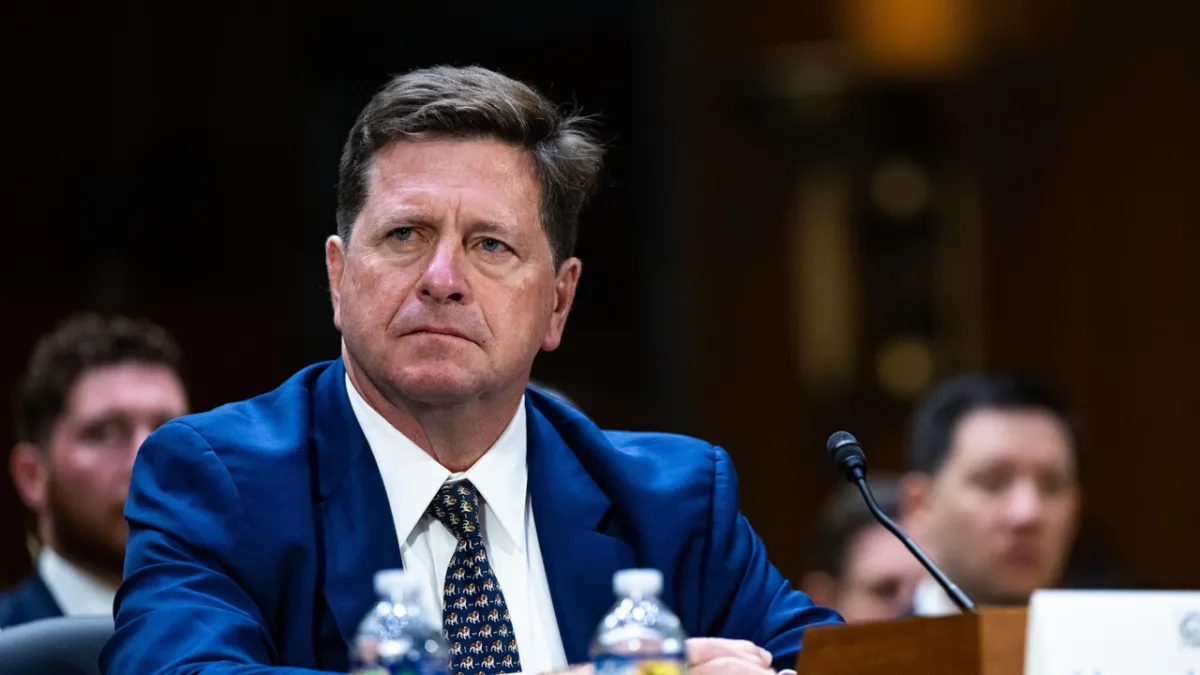
WASHINGTON – U.S. President Donald Trump has taken a strategic and surprising step by appointing Clayton, a key figure from the intelligence community, as the artificial intelligence (AI) tsar who will lead a special task force directly under his supervision. This appointment comes amidst a wave of significant resignations from OpenAI, shaking the global technology and security landscape in 2026.
Clayton, previously known for his track record in cybersecurity strategy and technological intelligence analysis, is now entrusted with a crucial responsibility. His role is to direct federal AI initiatives, ensuring that the United States remains at the forefront of innovation while addressing rapidly evolving ethical and security challenges.
This bold move underscores the Trump administration's priority on technological dominance, particularly in the artificial intelligence sector which is projected to revolutionize every aspect of life. The appointment of an intelligence leader as the head of national AI initiatives signals a view that AI is not merely a commercial tool but a vital component of national security.
The rapid development of AI demands strong and coordinated leadership, said a White House source who requested anonymity. Clayton possesses a unique combination of technological expertise and a deep understanding of intelligence threats, making him an ideal choice for such a critical role.
Claytons duties include coordinating between various government agencies, the private sector, and academia to accelerate AI research and development, while also establishing robust regulatory standards. His primary focus is to ensure that AI technology is used responsibly and in line with American values.
Trumps decision to appoint an AI tsar reflects the global race in artificial intelligence development. Major countries are competing to claim supremacy in this field, viewing it as a determinant of future economic and military power. The integration of AI in defense and intelligence is becoming increasingly vital.
Meanwhile, news regarding the resignations of several key figures from OpenAI adds new dynamics to the AI ecosystem. OpenAI, one of the most influential companies in generative AI, faces internal challenges that could potentially impact the direction of its technological development.
The specific details behind these mass resignations are not yet clear. However, analysts speculate that they may be related to philosophical differences regarding the pace of AI development, ethics, or overly aggressive commercialization of the technology. This situation is reminiscent of the debates surrounding AI threats consistently voiced by various parties.
Resignations from an entity as significant as OpenAI can create ripple effects throughout the industry, prompting top talent to seek opportunities elsewhere or even start their own ventures. This could also pave the way for other competitors to attract attention and investment.
Clayton's appointment and the turmoil at OpenAI collectively highlight a crucial phase in AI's evolution. This is an era where government policy, private innovation, and ethics collide, shaping the future of world-changing technology.
Nonetheless, the presence of an AI tsar reporting directly to President Trump signifies a significant increase in the oversight and priority Washington gives to artificial intelligence. This is not just about technology, but about strategic control over a new emerging power.
Editorial Insight: President Donald Trumps direct appointment of an AI tsar is a clear signal that Washington views artificial intelligence as a strategic domain on par with traditional defense and intelligence. This move, amidst internal issues at OpenAI, indicates an acceleration of the global AI race and the potential consolidation of technological power in state hands. Claytons effectiveness will largely depend on his ability to balance rapid innovation with a stringent ethical and security framework, a monumental task that will determine the future direction of U.S. AI policy.