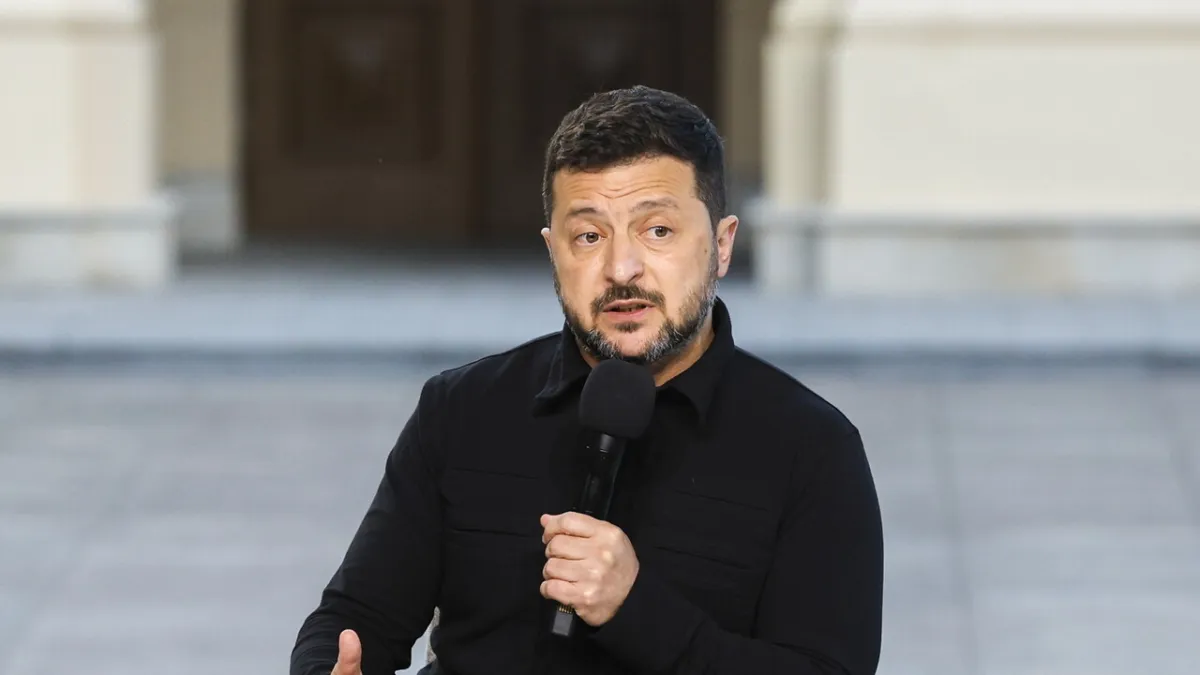
 Edward DP Situmorang
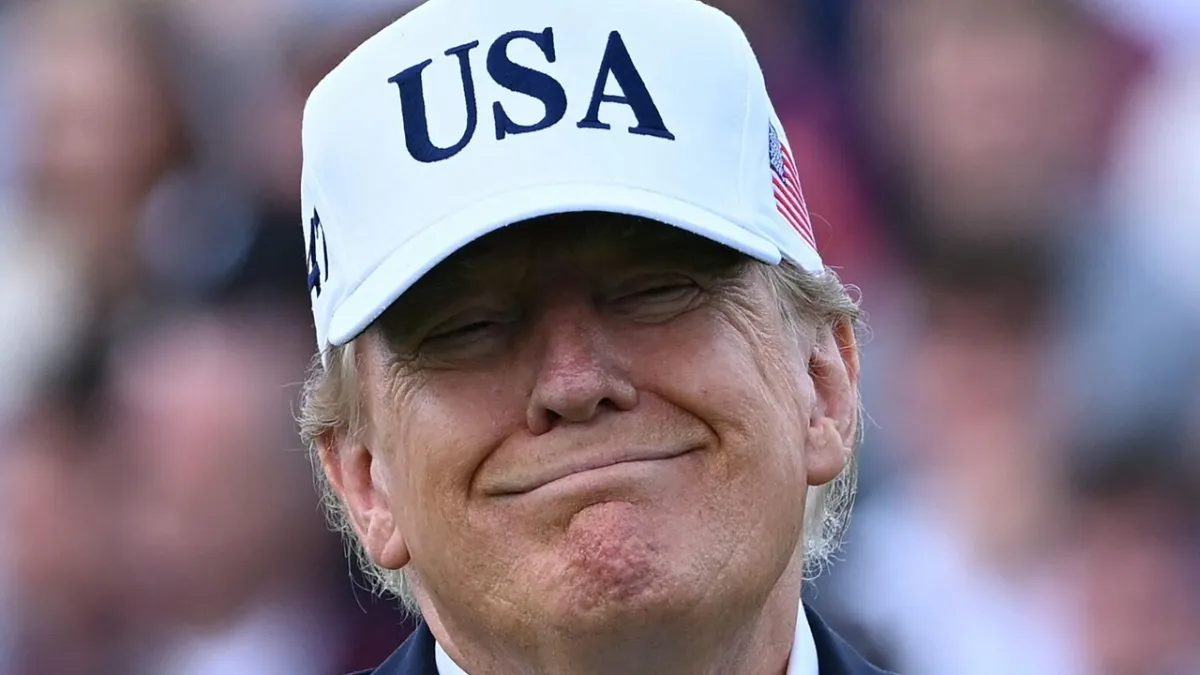
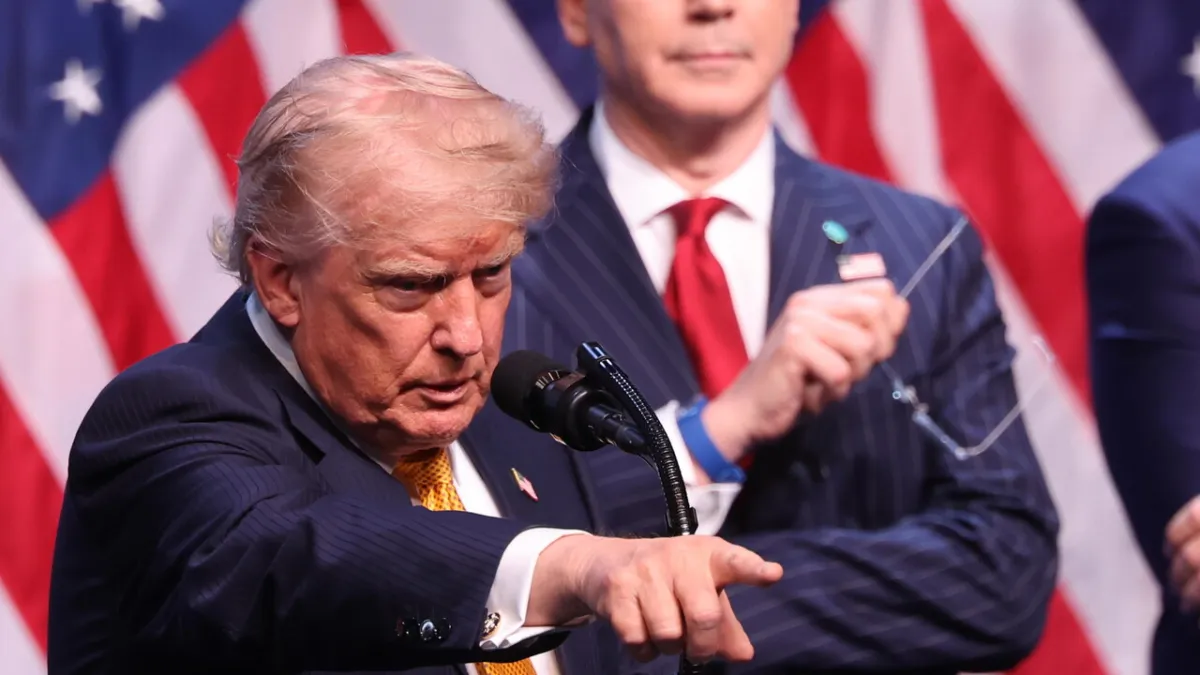
WASHINGTON – President Donald Trump, renowned for his passion for golf, is now at the center of a controversial initiative. A powerful lobby from golf club associations is reportedly pressuring the United States Congress to amend time zone regulations or implement a 'special legal time for golf' to extend playing hours for the president and other elites, triggering a wave of criticism from various factions.
This initiative is more than just whispers among executives. Internal documents circulating in Washington indicate that several media moguls and property developers, who also hold significant stakes in luxury golf resorts, are actively advocating this demand to legislators. They argue that time adjustments would significantly boost the golf tourism industry's revenue.
Pressure on senators and House representatives is intensifying. Anonymous sources on Capitol Hill mention that the lobby involves promises of financial support for political campaigns and various other incentives. However, Congress's response is divided. The opposition faction firmly rejects the proposal, deeming it an act that prioritizes a few elites over public interest.
This is the clearest reflection of how the private interests of the super-rich and politics conspire to manipulate the system, stated Senator Elizabeth Barnes, a prominent opponent. We should be focusing on crucial issues like the economy, healthcare, or climate change, not changing clocks for golf.
Similar discussions emerged years ago regarding efforts to alter work schedules for the benefit of certain industrial sectors, but these always failed due to public resistance. This event is reminiscent of the fierce debate on how lobbying power can influence legislative policy, such as what occurred in Brazil leading up to the 2026 elections, where political polarization was also driven by specific group interests.
Should this proposal succeed, its impact would not be limited to golf schedules. Time zone changes, even partial or temporal ones, could disrupt transportation schedules, business operations, and the daily routines of millions of citizens. Logistics experts and economists have voiced concerns about potential chaos and economic losses.
Although the White House has not issued an official statement regarding President Trump's direct involvement in this lobby, the president's close association with golf and the network of involved businessmen cannot be denied. Trump himself is known to spend weekends at his golf properties, fueling public speculation.
Conversely, some ruling party members of Congress voice support. They argue that a legal time for golf could be seen as an economic stimulus for the recreation and tourism industries. This argument is often supported by (dubiously accurate) data concerning potential increases in employment and tax revenue.
From a legal standpoint, amending time zones or creating 'special times' requires a complex legislative process and approval from federal regulatory bodies. Constitutional law experts believe such a proposal could potentially violate principles of equality and set a poor precedent for future lobbying practices.
The phenomenon of powerful lobbying for specific interests is not new in the global political arena. In Germany, for instance, a wave of criminality once rocked elections due to campaign incidents allegedly funded by specific interest groups. This demonstrates how vulnerable democratic processes are to intervention from financial powers.
The ethical aspect is a primary focus. The public increasingly questions the integrity of public officials when proposed policies appear to serve a leader's personal hobby or a few wealthy individuals, rather than the common good. This creates unease regarding the erosion of public trust in democratic institutions.
Nevertheless, the lobby is expected to continue seeking loopholes. The financial power behind it is substantial, and history has shown that lobbies can shift policy direction if pressure is strong enough. However, with increased media scrutiny and a more vocal public response, their path will not be smooth.
Editorial Insight:
The legal time for golf initiative, pushed by the golf club lobby and allegedly supported by President Trump, represents a worrying indicator of the blurred lines between private interests and public policy. This incident not only tests the integrity of the United States legislative system but also highlights the extent to which financial power can influence state governance. Should such a proposal find a way to be enacted, it would set a dangerous precedent that could erode public trust in the principles of justice and equality before the law. It serves as a stark reminder that a healthy democracy requires vigilant oversight against all forms of intervention that prioritize group interests over the general welfare.