 Angel Doris
Berlin — Chancellor Friedrich Merz recently announced a significant reshuffle of the federal government structure and his party's leadership. This strategic decision, following a change at the helm of the Union parliamentary group, has sparked a wave of speculation and hopes for "fresh impetus" in the German political landscape. The personnel package he presented is far more extensive than many initially anticipated, potentially marking the dawn of a new era for the government in 2026.
The cabinet and party leadership reshuffle initiated by Merz surprised many, not only from the opposition but also within his own party. The unexpected scale of change indicates a strong desire from the Chancellor to reorganize political and administrative power to achieve more ambitious goals. Political analysts note that this move is a bold maneuver with the potential to fundamentally alter power dynamics.
The background to this reshuffle is inseparable from the internal dynamics of the Union parliamentary group. After an intense election process, key positions within the group underwent changes. This shift is presumed to have been a catalyst for Chancellor Merz to re-evaluate his team's effectiveness and ensure alignment of vision between the legislative and executive branches. It can also be interpreted as an effort to consolidate power in preparation for greater legislative challenges.
The German public greeted this announcement with mixed reactions. Most expressed high hopes that this reshuffle would indeed bring positive changes and concrete solutions to the various problems facing the nation. The sentiment of "fresh impetus" is strong across different segments of society, which yearns for stability and progress amidst global uncertainties.
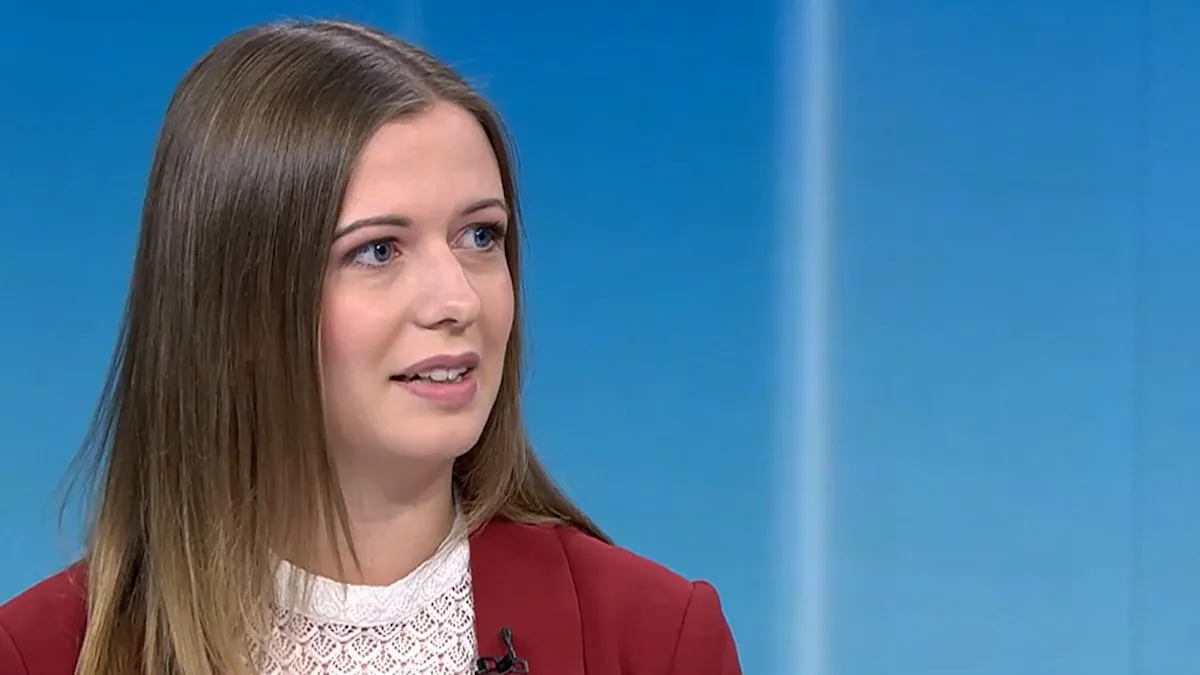
Lara Jäkel, a prominent editor from WELT, commented that such personnel changes are often expected to provide new momentum. "The old problems remain, but new personnel can always bring new energy," she stated. This remark reflects the view that even if core issues persist, new approaches and energy from fresh faces at the top can pave the way for innovative solutions.
Merz, serving as Chancellor in 2026, is believed to want to assert his authority and accelerate his government's agenda. By appointing individuals he deems capable of bringing change, he hopes to overcome stagnation in several sectors and enhance bureaucratic efficiency. This reshuffle is seen as part of a long-term strategy to strengthen Germany's position on both the international and domestic stages.
The impact of this reshuffle on the existing coalition is also under scrutiny. Although Chancellor Merz has full authority in forming his cabinet, the appointment of key positions will undoubtedly affect the balance of power among coalition parties. Intensive negotiations and communication among coalition partners are predicted to be crucial for the successful implementation of the new policies outlined.
Historically, cabinet reshuffles in Germany often occur at critical junctures of a government. This step can be a response to declining popularity, the need to refresh an image, or to address a specific crisis. Chancellor Merz appears to have chosen this moment to demonstrate decisive and proactive leadership in tackling domestic and global challenges, including economic pressures and climate change.
One of the challenges awaiting the new government is to maintain public trust amidst increasing political polarization. Intense debates between major parties, such as those frequently occurring between the CDU and AfD, indicate that the German political landscape is far from stable. The public still remembers the heated arguments between CDU and AfD that shook German television some time ago, demonstrating how sensitive political issues are in the country.
Furthermore, the position of traditional parties is increasingly tested by the emergence of new political forces. For instance, survey results have shown that the AfD once led surveys in Berlin, indicating a shift in voter preferences. This reshuffle could be an attempt to respond to these dynamics and regain the attention of constituents.
With a more comprehensive personnel package, Merz aims to send a strong signal that he is serious about achieving stability and progress. The appointment of new faces to strategic positions is expected to bring fresh ideas and innovative approaches to complex issues, ranging from economic reforms to foreign policy.
Ultimately, the success of this reshuffle will be measured by the government's ability to translate promises into concrete actions. Whether the anticipated "fresh impetus" will truly blow strong and lead Germany towards greater stability, or merely be a change of personnel without substantial alterations, only time will tell.