 Chandra Wijayanto
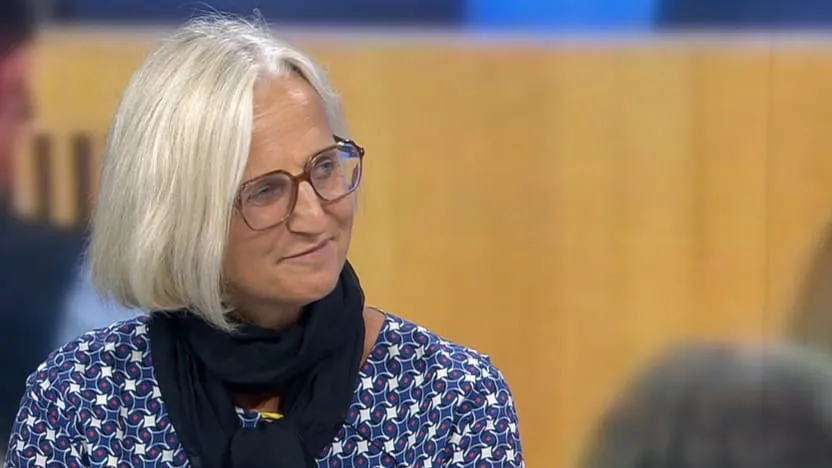
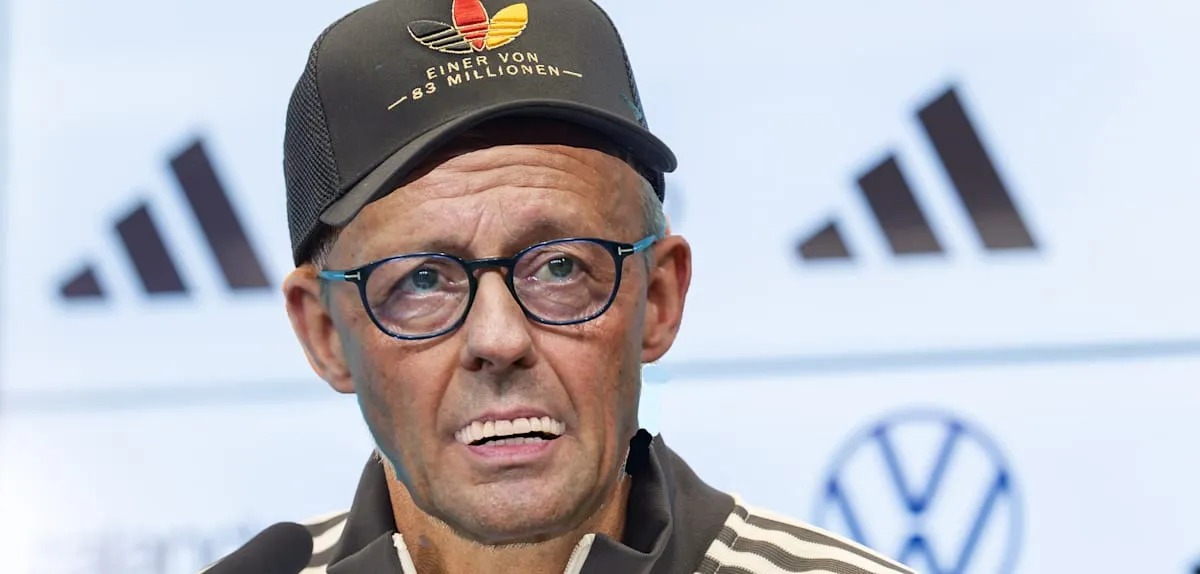
Berlin — Former German Deputy Government Spokeswoman, Christiane Hoffmann, sharply criticized the communication style of political leader Friedrich Merz, following his summer press conference in 2026. Hoffmann highlighted Merz's deficit in emotionally addressing citizens, a weakness considered crucial in Germany's political landscape.
Hoffmann, known as a senior political observer with decades of experience on the national stage, conveyed her view that despite some improvements in Merz's rhetoric, he still struggles to build a substantial emotional connection with his constituents. Successful modern political communication is not only about message clarity but also about the resonance it can create in the hearts of the public.
"That is already part of the problem," Hoffmann quoted, emphasizing the importance of a leader's ability to embrace and understand the feelings of the populace. According to her, a solid foundation of political legitimacy is built upon empathy and emotional closeness between a leader and the people they lead.
This criticism comes as Germany prepares for a crucial political agenda in 2026, including potential federal elections or major policy shifts that will affect the entire country. Previously, Merz himself was known to aim for a positive change in atmosphere through the press conference, but apparently, that hope has not been fully realized.
Effective political communication, according to experts, goes beyond merely delivering facts and data. It must be able to touch emotional aspects, generate hope, and erode public skepticism. Without this element, even the best policy messages risk becoming hollow in the ears of citizens.
Hoffmann's analysis highlights the dilemma Merz faces: how to integrate a communication approach that is often rational and substance-oriented with a deeper human touch. The balance between these two is often key to success in leading public opinion.
Summer press conferences typically serve as an important barometer for gauging a politician's readiness for upcoming political challenges, including public image evaluation. For Merz, this event should have been an opportunity to demonstrate empathetic leadership, but, as observed, he faces the threat of a storm of negative news.
Political experts in Berlin often discuss the significance of charisma, personal appeal, and persuasive ability as vital elements in winning the hearts of voters. These aspects are now openly questioned in Merz's communication approach, sparking debate about the effectiveness of his strategy.
An emotional deficit, if it continues, has the potential to create a wide communication gap between a leader and their people. This can erode the support base, weaken public trust, and exacerbate political polarization that has characterized many democratic nations.
Some observers suggest that Merz may need to fundamentally recalibrate his communication strategy. This advice includes the possibility of involving communication advisors who are more focused on the psychological aspects of the masses and authentic methods of building emotional connection.
In the past, many German politicians and other global leaders have also faced similar criticism regarding their ability to emotionally engage with the public. This shows that the challenge of emotional communication is not a new phenomenon in the political arena, but a constant test for every public figure.
Comparisons with other global leaders known for skillfully building emotional bonds with their people often serve as benchmarks. This raises questions about how far Merz is willing or able to adapt to meet public expectations that increasingly demand personal closeness.
Nevertheless, Merz's supporters might argue that firmness, focus on concrete policies, and strong principles are more essential than fleeting emotional appeal, which they deem less substantial. They may believe that intellectual integrity should be the top priority.
However, in the modern democratic landscape dominated by media and public opinion, perceptions are often formed from a combination of policy substance and personal presentation. This is where the emotional aspect plays a significant role in shaping a leader's image and public reception.
Germany, as one of Europe's leading economic and political powers, needs leaders who are not only intellectually astute and capable in management but also able to understand and express the collective aspirations of its citizens with a human touch.
With various complex domestic, regional, and international challenges in 2026, the ability to engage in sincere dialogue, build consensus, and inspire trust will be an invaluable political asset for any leader aspiring to govern the country.
Whether the criticism voiced by Christiane Hoffmann will trigger fundamental changes in Friedrich Merz's communication approach, or if he will stick to his known style, remains to be seen in the political arena of Germany.
Merz's political future, and even the potential stability of the coalition he leads, could very well depend on his ability to bridge the emotional gap with voters, proving that he is a leader who not only speaks but also feels.