 Stefani Rindus
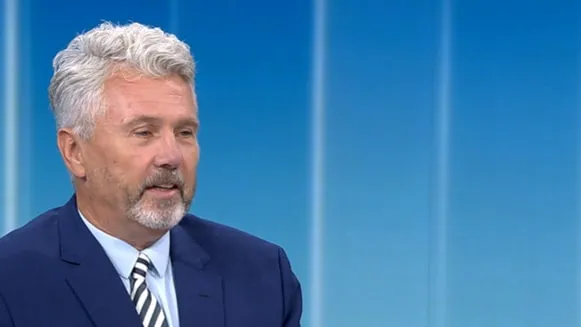
BERLIN — A sharp analysis of Germany's condition post-2026 World Cup comes from Erik Kirschbaum, a senior US journalist. In his commentary, Kirschbaum frankly stated that Germany's best times are over, a view that has sparked wide debate about the nation's direction and identity.
Kirschbaum's statement, delivered in an interview, highlighted a fundamental aspect he believes has faded from Germany's competitive spirit. He specifically remarked, “Der Biss fehlt hier, alles ist sehr bequem,” referring to the loss of 'bite' or fighting spirit and a tendency to feel overly comfortable amidst global challenges.
This criticism emerges after the German national team's performance in the 2026 World Cup, which, according to many observers, did not reflect the true potential of one of the world's greatest football powers. The tournament's results seemingly mirrored a broader condition, extending beyond the playing field.
Kirschbaum, with his years of observing Germany, concluded that this excessive comfort has eroded the motivation for innovation and adaptation. A country once known for its hard work ethic and discipline now faces serious questions about its ambition and perseverance.
This opinion resonates amidst several domestic issues facing Germany. From the economic sector to political dynamics, many signs point to a period of uncertain transition. For instance, government budget efficiency efforts have led to discussions about cutting thousands of civil servants, as summarized in the article Germany's 2026 Challenge: Cut Thousands of Civil Servants for Efficient Budget?.
Furthermore, Germany's political landscape also shows upheaval. The dynamics of power struggles and the resignation of several key figures from strategic positions indicate internal tensions. This situation is also highlighted in reports concerning Germany's Political Turmoil: Merz Under Pressure After Jens Spahn's Resignation 2026.
Even in the renewable energy sector, long a source of German pride, it faces a turning point. The end of solar subsidies this year, as discussed in Germany's Solar Subsidies End 2026: New Strategy Benefits Homeowners, shows the need for new strategies to maintain momentum.
Kirschbaum's perspective serves as a warning. He not only criticizes athletic performance but points more broadly to a collective mentality that may have altered Germany's competitive landscape in various fields, be it sports, economy, or innovation.
The German public itself reacted diversely to this statement. Some felt the criticism was too harsh, yet many also acknowledged the truth in Kirschbaum's observations, calling for deep introspection.
Political and industrial leaders are expected to grasp the essence of this criticism as a catalyst for revitalization. The real challenge for Germany now is how to transform comfort into a spur for new spirit, rather than letting it become an obstacle to progress.
This era of 'comfort' may have reached its evaluation point, forcing Germany to rediscover the 'bite' and ambition that once brought it to the top. The nation's future will largely depend on its response to the challenges identified by this foreign journalist.