 Chandra Wijayanto
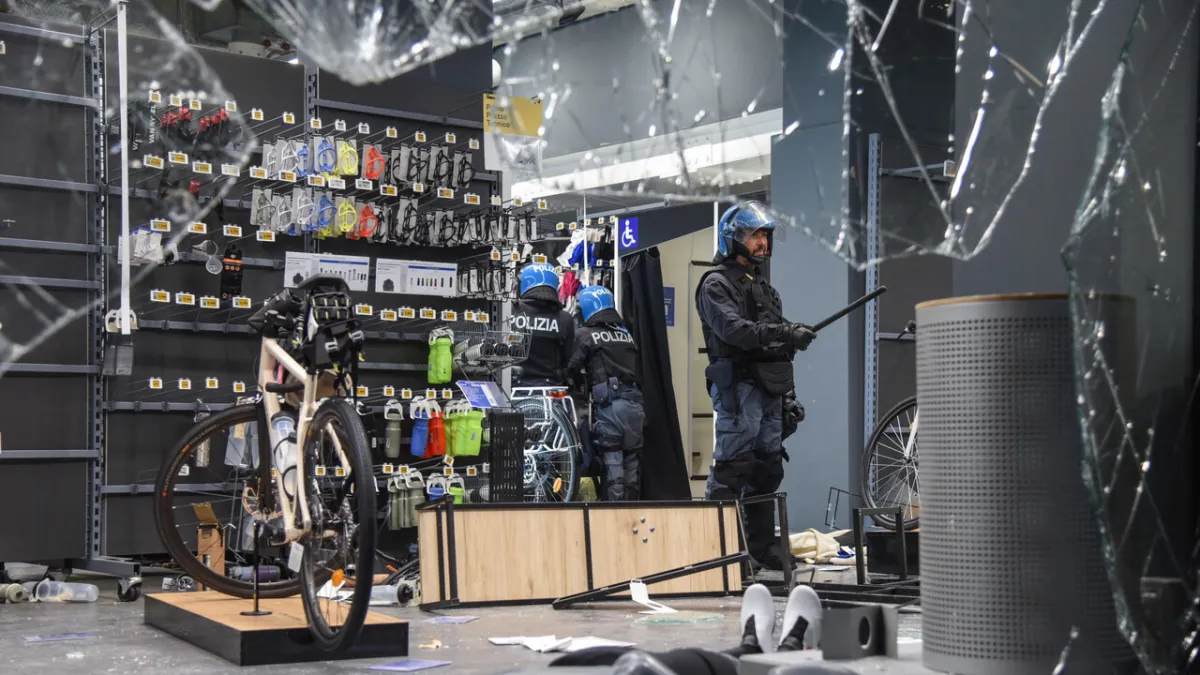
MILAN – The Preliminary Investigation Judge (Gip) in Milan has issued detention orders for four adults involved in recent riots. Additionally, one minor perpetrator has been placed under house arrest. This decision follows the Gip's identification of an ongoing 'public order destabilization project' with a very high risk of recurrence.
Intensive investigations are now underway at the Beccaria institution, where minors arrested in connection with the incident are being interrogated. The riots that swept through central Milan have raised serious concerns among authorities and the public.
There is an identified project of public order destabilization in progress. There is a very high risk that this will happen again, the Gip stated, highlighting the urgency of the situation and the potential for escalation if not handled seriously. This assertion indicates that the incidents were not mere acts of vandalism but possessed a more organized motive.
Following the riots, luxury stores in central Milan, which were temporarily affected, have reopened, signaling efforts to restore economic activity. However, this calm is overshadowed by concerns about the possibility of renewed chaos, given the warnings from authorities.
The involvement of minors in the riots is a primary focus. Intensive interrogations of underage perpetrators at Beccaria are expected to uncover the networks and motivations behind their actions. This aligns with national discussions on handling minors involved in legal issues, which previously sparked debates regarding the child detention decree in Italy.
This incident adds to a long list of security challenges faced by the fashion capital. Previously, the Mayor of Milan urged comprehensive solutions to address youth violence, while President Mattarella also strongly condemned the brutal violence that occurred. The Italian Government had even deployed 500 soldiers to Milan to quell unrest. This situation demonstrates that public security in Milan is an ongoing and complex issue.
Authorities believe that the detention of the adult perpetrators is a crucial step to prevent the further spread of the alleged 'destabilization project.' This measure is also expected to deter others who might plan similar actions.
The motives behind this 'destabilization project' are still being investigated. Whether it relates to social discontent, hidden political agendas, or merely organized anarchic acts, remains a critical question that the investigation must answer.
The people of Milan and its surrounding areas now await further investigation results, hoping that stability and public order can be fully restored. Coordination among law enforcement, local government, and the community is considered vital to ease tensions and prevent similar incidents in the future.
The role of leading national media is essential in providing accurate and contextual information to the public, avoiding speculation, and supporting law enforcement efforts in maintaining social conducive conditions.
Editorial Insight: The firm decision by Milan's Gip to detain riot perpetrators and the accusation of a 'destabilization project' highlight the seriousness with which Italian authorities address threats to public order. These are not mere ordinary criminal acts but indicate a potential, more structured threat to social and economic stability. The swift response from the judicial system sends a strong signal that the state will not tolerate attempts to disrupt security. However, the root causes of this 'destabilization project' must be thoroughly investigated to prevent the regeneration of conflict, especially involving minors, who are vulnerable to being used by certain groups. A holistic approach involving education, social welfare, and law enforcement is key to a long-term solution.