 Angela Stefani
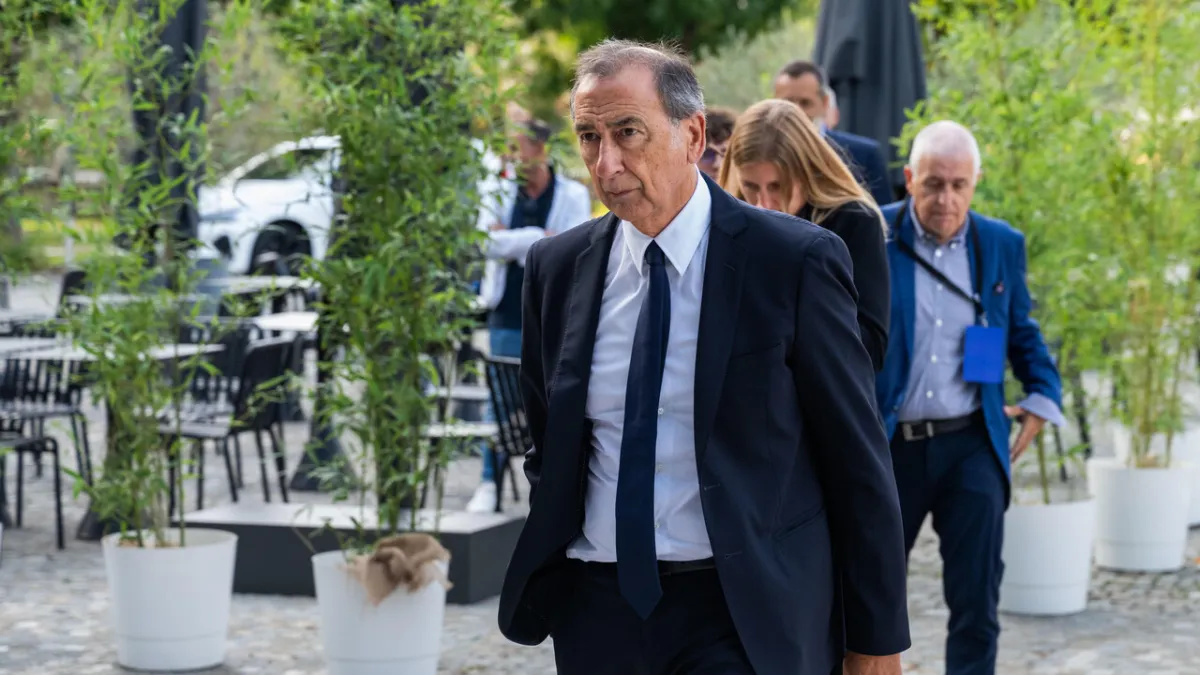
Milan – Milan Mayor Giuseppe Sala has declared that the city is forced to close some schools due to a crucial education decree that has yet to be approved by the Quirinal Palace, the official residence of the Italian President. This startling statement was made by Sala in early 2026, highlighting an administrative deadlock directly impacting the operations of educational facilities in Italy's financial capital. The delay in approving this decree has sparked a wave of criticism from various parties, including trade unions and student groups.
The legislative delay at the Quirinal Palace creates significant uncertainty for the education sector. The decree in question contains critical provisions related to budget, teaching staff, and operational guidelines essential for ensuring a smooth academic year. Without a clear legal framework, the city government faces a severe dilemma in managing its schools.
Sala expressed his deep disappointment with the situation. We are in a very difficult position, he stated. Without the approved decree, we lack the legal basis and necessary resources to keep all schools functioning optimally. This is not a decision we desire, but a necessity imposed by circumstances.
Education trade unions promptly launched sharp criticism against the central government. They view this delay as reflecting a lack of priority for the future of Italy's younger generation. Strong reactions came from several quarters:
- A teachers' union representative issued a written statement, Education is a fundamental right, not a commodity that can be played with by a slow bureaucracy.
- The Osa student collective organized spontaneous protests in Milan, demanding that the decree be signed immediately.
- The FLC CGIL union displayed protest banners on several school buildings, calling for the President to act quickly.
School closures, if they indeed occur, would cause immense disruption for thousands of families in Milan. Parents would struggle to find alternative childcare, while children's learning processes would be interrupted. The long-term impact on the quality of local education is feared to be very serious.
This situation adds to a long list of challenges faced by the Italian education system. Previously, issues such as school safety and local policy controversies had also been highlighted. For instance, the decision to fine burqa wearers in schools in some Italian regions sparked a heated public debate. (Italy Uproar: Burqa Fines in Schools, Non-Italian Speaking Parents Sanctioned).
The central government has yet to provide an official response to Mayor Sala's ultimatum. This silence further exacerbates the situation and increases public pressure for a swift resolution. Political pressure is expected to continue building over time.
Milanese citizens and the education community hope that the decree will be signed and approved soon, avoiding a deeper crisis. The future of education in one of Europe's leading cities now hangs in the balance, awaiting a decision from the Quirinal Palace.
Editorial Insight:
The situation in Milan is more than just an administrative issue; it is a reflection of potential high-level bureaucratic dysfunction that threatens essential public services. The delay in approving a vital decree by the Quirinal Palace indicates complex political or procedural considerations, yet its real impact directly hits the education sector and the general public. The swift response from various unions and collectives demonstrates the level of urgency and public discontent. If this issue prolongs, public trust in governmental effectiveness could erode, simultaneously opening the door for broader debates regarding regional autonomy versus central control in determining vital policies.