 Angela Stefani
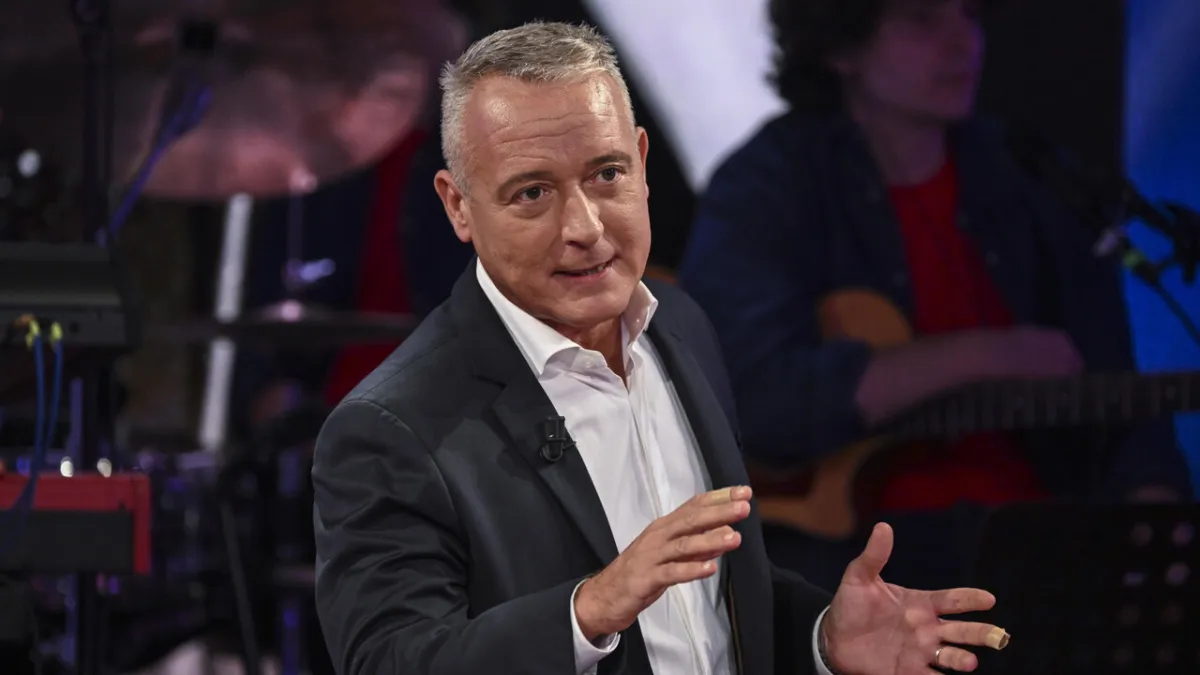
ROME – A major controversy has engulfed Italy's national television broadcaster, Rai, after a series of 'intimate questions' were posed to former priest Ravagnani during a program hosted by Diaco. The incident sparked public outrage and specifically drew sharp criticism from Milly Carlucci, a senior Italian television personality, who declared it 'unacceptable,' leading to an internal dispute within Rai's Board of Directors in 2026.
The incident occurred during a live broadcast of a popular television program, where former priest Ravagnani was invited as a guest. During the interview, Diaco reportedly asked questions delving into private and sensitive matters, far exceeding conventional journalistic ethics. The highly personal nature of these questions quickly triggered a wave of criticism from viewers and media observers.
Milly Carlucci, a seasoned presenter known for her impeccable reputation, promptly voiced her strong objections publicly. 'What happened is absolutely unacceptable and tarnishes the good name of public broadcasting,' she stated, emphasizing the importance of upholding the dignity and privacy of individuals, especially in such a sensitive context.
Carlucci's condemnation was no ordinary statement, given her highly respected position in the Italian media landscape. Her remarks lent significant weight to the surge of public opinion demanding accountability for a broadcast deemed to violate norms and ethics.
Public reaction immediately surged across various social media platforms, with hashtags calling for accountability from Rai and Diaco. Many viewers expressed their disappointment, highlighting perceived double standards often seen in celebrity coverage compared to other public figures.
The scandal quickly escalated to Rai's highest management levels. Internal reports indicate that intense debates transpired among members of Rai's Board of Directors. Some factions demanded stringent action against the program and its creators, while others may have been more cautious in responding to public and media pressure.
The central focus of the Board's debate revolved around the violation of public broadcasting's code of ethics. Rai, as a state-owned broadcaster, is expected to be at the forefront of upholding moral and ethical standards, rather than condoning demeaning practices.
Ravagnani's background as a former priest added complexity to the incident. The intimate questions posed not only infringed on individual privacy but also had the potential to offend religious sensibilities and public trust, given his past affiliation with a religious institution.
This event also reignited a long-standing debate regarding the boundaries of freedom of expression in television journalism. On one hand, arguments are made for journalists' right to question, yet on the other, ethical principles and the protection of privacy must remain paramount.
The Ravagnani incident has the potential to significantly impact Rai's credibility in the eyes of the public. A reputation built over decades could erode if the institution fails to demonstrate a strong commitment to journalistic ethics and individual protection.
Media watchdog organizations in Italy are also reportedly monitoring these developments closely, anticipating potential calls for a review of broadcasting policies and the application of sanctions if serious violations are proven.
Editorial Insight:
The controversy involving former priest Ravagnani and the Rai channel serves as a stark reminder of the importance of journalistic ethics, especially in a competitive media era. Milly Carlucci's courage in voicing criticism demonstrates that individual integrity still holds a place in the entertainment industry, while also highlighting the fragility of the line between entertainment and privacy infringement. Rai's Board of Directors' response will be a barometer of their commitment to responsible public broadcasting standards and how they balance entertainment demands with moral principles. This incident should serve as a moment for all media outlets to re-evaluate interview practices and the boundaries that must be maintained to preserve public trust.