 Chandra Wijayanto
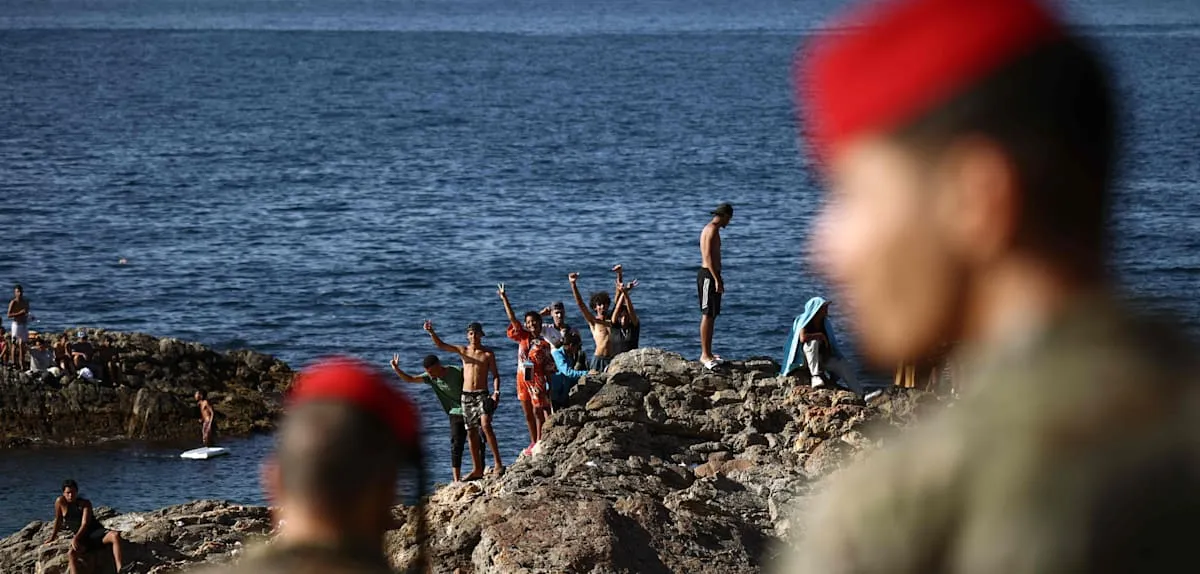
RABAT — The Moroccan Ministry of Interior has officially issued a statement correcting the death toll following the rush of thousands of migrants into the Spanish enclave of Ceuta some time ago. Rabat asserts that the actual number is significantly lower than what has been disseminated, simultaneously blaming misinformation as the primary trigger for the escalation of this humanitarian and political crisis. This complex situation is now a serious topic of discussion in Brussels, particularly with strong pressure from influential German parties, such as the SPD and the Greens, demanding a concrete response from the European Union.
Morocco's statement comes after a mass influx that saw thousands of individuals, many of them children and adolescents, flock across the border into the Spanish autonomous territory in North Africa. The Moroccan government claims that initial reports regarding the number of fatalities were exaggerated, creating an inaccurate narrative and exacerbating the situation.
“The widely circulated figures in some media and social media platforms are erroneous and do not reflect the reality on the ground,” stated a spokesperson for the Moroccan Ministry of Interior in a press conference in late 2026. “We found that a lot of false information was deliberately spread, contributing to many migrants deciding to take this dangerous risk.”
The misinformation cited by Morocco includes rumors about relaxed border policies or unfounded asylum offers, which effectively mobilized the wave of migrants. This phenomenon highlights society's vulnerability to fake news, especially in crisis situations involving hope and desperation.
This crisis not only tests the resilience of the Spanish and Moroccan borders but also complicates diplomatic relations between the two countries. Madrid had previously criticized what it considered a lack of border control from Morocco, while Rabat accused Spain of failing to understand the root causes of illegal migration.
On the European stage, the Ceuta crisis has sparked deep concern. German political leaders, particularly from the Social Democratic Party (SPD) and the Green Party (Grüne), urged the European Union to act immediately. “Europe cannot simply stand by and watch a humanitarian crisis on our own borders,” asserted an SPD member of parliament in early 2026.
The Greens called for a more comprehensive approach, including humanitarian support, a review of asylum policies, and stronger cooperation with migrant origin and transit countries. They also emphasized the importance of combating human smuggling networks and sources of misinformation.
Analysis indicates that the Ceuta incident is an indicator of persistent migratory pressure on Europe's southern borders, exacerbated by regional conflicts, poverty, and, as Morocco claims, the dissemination of false information. This necessitates a more coordinated and fact-based approach from all EU members.
Morocco urges the international community not only to focus on border incidents but also on prevention efforts in migrant origin countries and the handling of misinformation. “Long-term solutions require more than just a border response; they require addressing the root causes and countering information manipulation,” the spokesperson added.
The migrant crisis in Ceuta, marked by conflicting data and claims of misinformation, is now a test of Europe's and its neighboring countries' ability to cooperate effectively. The Ceuta Migrant Crisis: Spain Threatens Drastic Measures, Europe Under Pressure!, proves how this issue has dominated the regional political agenda.
International political observers believe that the way the European Union responds to Morocco's claims and addresses the implications of misinformation will determine the future direction of migration policy. It will also shape public perception of how truth and facts are considered when facing global challenges.
This crisis also highlights the complexities of managing public narratives during emergencies. When each party has an interest in controlling information, it becomes difficult for the general public to distinguish between fact and fiction, which can ultimately worsen tensions and hinder solutions. Europe, Morocco, and Spain are expected to find common ground for regional stability and human dignity.