 Chandra Wijayanto
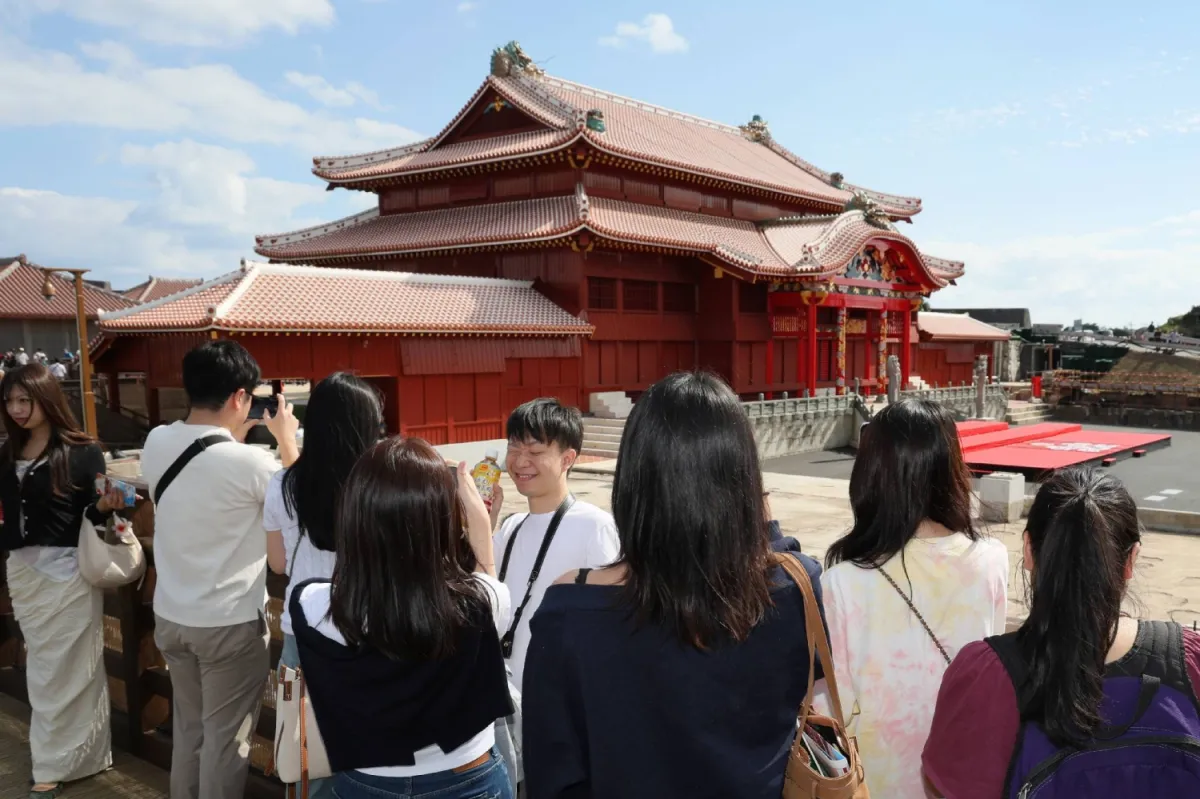
NAHA – After years of intensive restoration, the main hall of Okinawa's Shuri Castle, a UNESCO World Heritage site and a symbol of Japanese cultural resilience, finally reopened to the public in 2026. This monumental opening marks a vital resurgence for one of Japan's most important landmarks, which was devastated by a massive fire in 2019. An official celebration, hosted by the Okinawa Prefectural Government, took place in the main square before the grand gates opened to thousands of eager visitors.
The heartbreaking fire on October 31, 2019, consumed seven main buildings within the Shuri Castle complex, including the Seiden (main hall), Hokuden, and Nanden. This tragic incident not only destroyed the physical structures but also deeply affected the people of Okinawa and all of Japan, who highly cherish this Ryukyu Kingdom heritage. The fire engulfed nearly 4,800 square meters of the palace area, leaving behind historic ruins.
Responses to the tragedy quickly poured in from around the world, demonstrating global solidarity for the preservation of cultural heritage. The Japanese government, along with the Okinawan community, immediately launched an ambitious effort to reconstruct the castle according to its original architectural details. This process demanded immense dedication, traditional expertise, and extensive research.
Shuri Castle's restoration involved master carpenters, painters, and artisans skilled in ancient Ryukyuan construction techniques. The careful selection of high-quality wood and traditional coloring methods were crucial to ensuring the authenticity of the reconstruction. This project was not merely about rebuilding but about resurrecting the spirit and beauty that once existed, preserving every minute detail.
Shuri Castle, first built in the 14th century, served as the political, diplomatic, and cultural center of the Ryukyu Kingdom for approximately 450 years. It became an important bridge between Japan, China, and Southeast Asian countries, influencing the art, architecture, and way of life of the Okinawan people. Its designation as a UNESCO World Heritage site since 2000 affirms its universal value.
Before the official public opening, a solemn event hosted by the Okinawa Prefectural Government filled the castle's main square. High-ranking officials, cultural representatives, and community members gathered to witness this historic moment. The Governor of Okinawa delivered a speech highlighting the resilience and collaborative spirit that made this restoration possible.
Thousands of locals and tourists from across Japan and abroad flocked to the areas around the castle. They eagerly awaited to witness the resurgence of this historical icon. The reopening of the main hall is projected to provide a significant boost to Okinawa's tourism sector, attracting visitors keen to admire the architectural masterpiece and delve into its profound history.
Visitors can now once again explore the magnificent interior of the main hall, marveling at the intricate red wooden carvings and golden ornaments characteristic of Ryukyuan architecture. Educational exhibits have also been prepared to offer deeper insights into the castle's history, the Ryukyu Kingdom, and the challenging restoration process.
The overall Shuri Castle restoration project is slated for completion in 2026, with other facilities and supporting areas opening in phases. The successful reconstruction of the main hall stands as a pinnacle of collective effort, reflecting the resolute determination of the Japanese people to preserve their identity and heritage for future generations.
Editorial Insight:
The reopening of Shuri Castle's main hall not only celebrates the return of a building but also powerfully symbolizes cultural resilience and community spirit. In a global context, this incident and its massive restoration efforts offer valuable lessons on the importance of protecting world heritage sites from natural disasters and human actions. This success also demonstrates how investment in cultural heritage can be a catalyst for local economic revitalization through sustainable tourism, while simultaneously strengthening national identity amidst modernization.