 Dodi Irawan
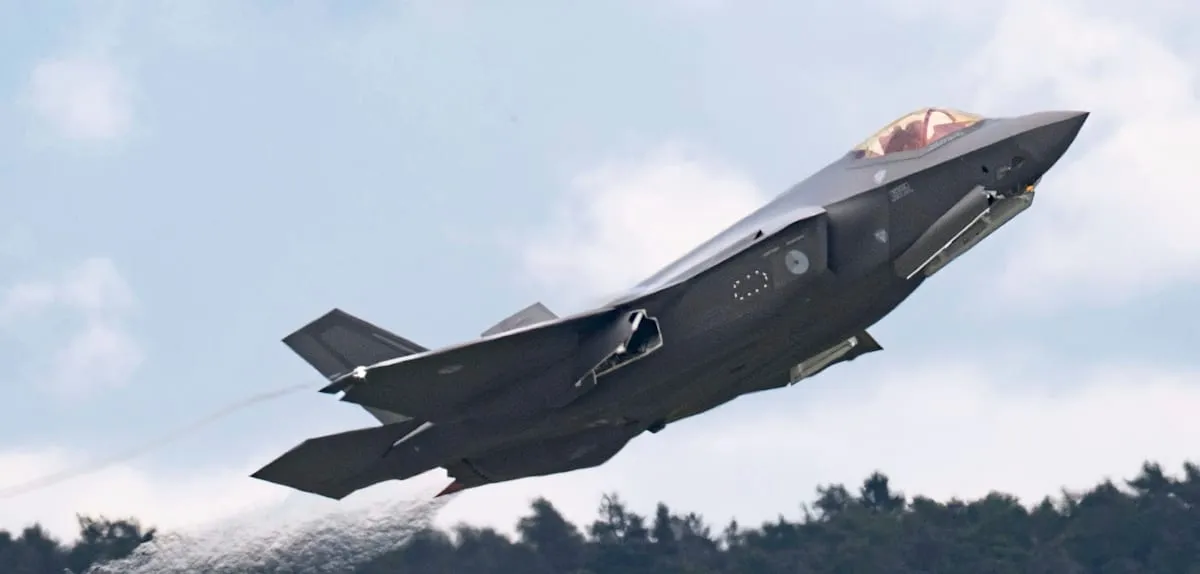
VILNIUS – North Atlantic Treaty Organization (NATO) fighter jets successfully intercepted and shot down an unidentified drone traversing Lithuanian airspace. This significant incident, occurring in early 2026, underscores the alliance's military readiness amidst escalating geopolitical tensions in Eastern Europe. Lithuanian President Gitanas Nauseda emphatically praised the swift response, affirming the critical importance of regional defense capabilities.
President Nauseda stated, 'Such readiness for our region is of crucial importance.' This declaration followed the identification of the drone as a potential threat and its subsequent neutralization by NATO combat aircraft. The operation unfolded against a backdrop of ongoing border security concerns, particularly given the situation in neighboring areas.
The drone's identity and origin remain under intensive investigation by Lithuanian military and intelligence authorities in collaboration with NATO partners. This downing sends a clear message that the airspace of NATO member states will be rigorously protected against all forms of unauthorized intrusion.
While specific details regarding the drone's type and operational motives have not yet been released, this incident adds to the growing list of security anxieties confronting the Baltic region. This area has historically been a geopolitical flashpoint, often witnessing struggles for influence among major powers.
NATO's proactive readiness to defend its airspace reaffirms the commitment of Article 5 of the North Atlantic Treaty, which posits that an attack on one member is considered an attack on all. This action also serves as a demonstration of strength and coordination among the air forces of allied members.
The events in Lithuania are not isolated. Several intelligence reports from various European nations have recently highlighted an increase in unauthorized drone activity near military installations or critical infrastructure. This surge has triggered alarms in many capitals, reminiscent of potential escalations like those seen in attacks near Poland.
Lithuanian and NATO authorities continue to coordinate closely in analyzing the wreckage of the downed drone to gather further information. The investigation's findings are expected to provide a more comprehensive understanding of the entity behind the illegal flight.
The rapid action by NATO fighter jets demonstrates a high level of professionalism and integration of air defense systems among member states. This reflects routine exercises and increased investment in modern air defense capabilities.
This incident is also likely to spark further discussions regarding the expansion and modernization of air defense systems across NATO member states, especially those directly bordering potential threats. Increased defense budgets and the acquisition of advanced technology are becoming key agenda items.
The international community now awaits further details from the investigation and the long-term implications of this incident for regional security dynamics. NATO's resolute response is seen as an effort to deter future provocations.
Editorial Insight: The drone shooting incident in Lithuania is more than just a technical military event; it is a tangible indicator of the fragile security on NATO's eastern flank. The alliance's swift response demonstrates its seriousness in maintaining the integrity of its airspace, while also sending a strong deterrent signal. However, major questions persist regarding the drone's operator and the purpose of its flight. The answers to these questions will significantly shape subsequent diplomatic and military steps and potentially redefine the European security narrative in 2026 and beyond. The escalating tensions in this region demand extra vigilance from all involved parties.