 Debby Wijaya
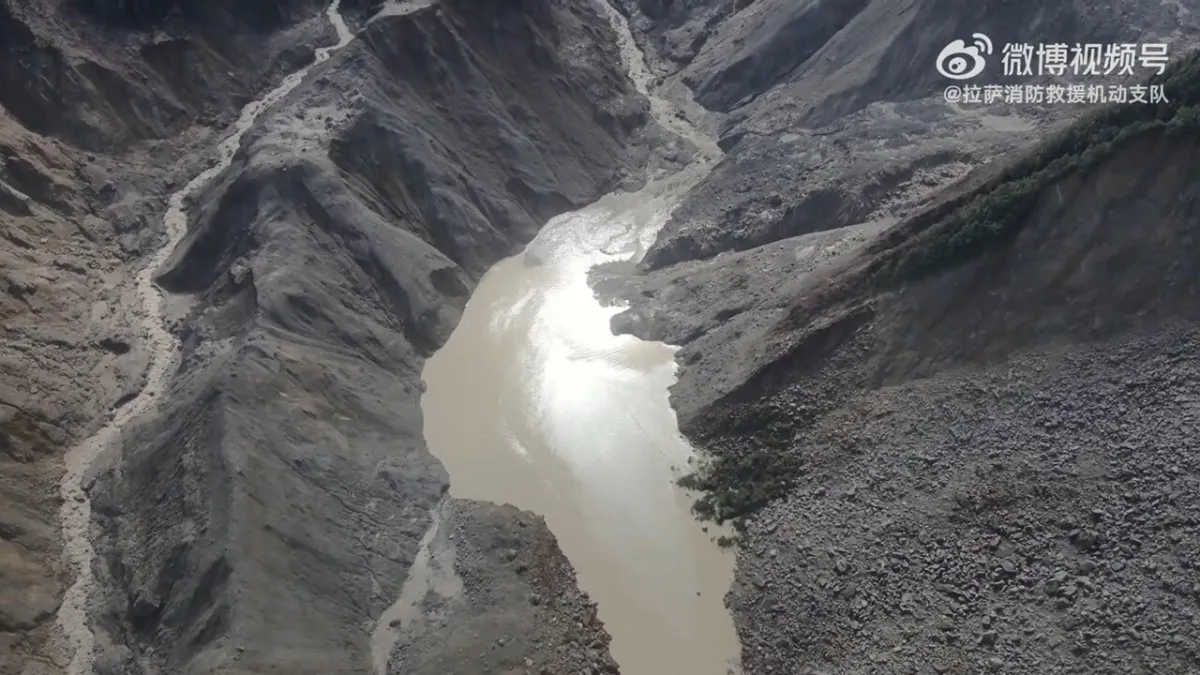
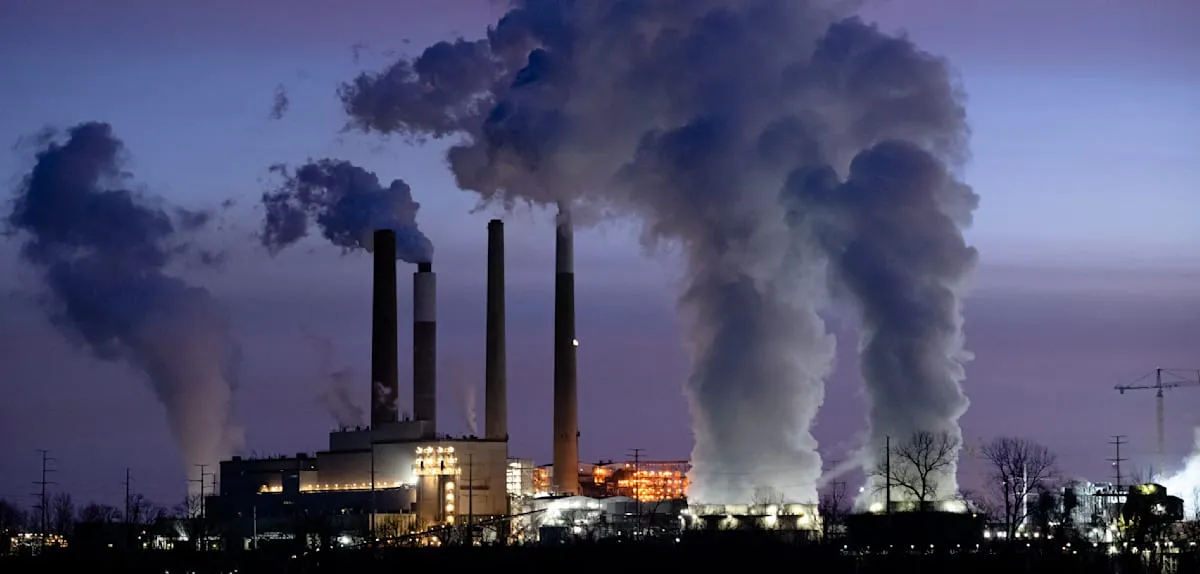
KATHMANDU – Deadly landslides and floods have ravaged the Himalayan region of Nepal in 2026, prompting a grave warning from the international scientific community. A comprehensive analysis published in the prestigious journal Nature asserts that the increasing frequency and intensity of these extreme geological events are clear indicators of the profound impacts of the global climate crisis.
Researchers highlight rising global temperatures as a primary driver, leading to accelerated glacier melt and unprecedented extreme rainfall in the region. This erratic weather pattern exacerbates Nepal's already vulnerable geographical conditions.
This tragedy is not merely a natural phenomenon but a deep humanitarian crisis. Latest data indicate that the death toll in Nepal has surged, with thousands reported missing due to the devastating harrowing Himalayan floods. Rescue efforts face significant challenges due to difficult terrain and extreme weather.
These incidents also underscore the heroic rescue of 27 foreign tourists, including Italian nationals, from deadly landslides. News of a German family surviving the disaster's hell offers a glimmer of hope. However, many others were not as fortunate, such as the case of Marco, an Italian gold artisan reported missing and caught in the 2026 Nepal-Tibet tragedy.
Climatologists explain that changing monsoon patterns and weakening soil structures due to excessive water infiltration collectively increase the risk of landslides in steep-sloped areas. The tectonically active geology of the Himalayas adds to the complexity of this vulnerability.
The findings from Nature serve as an urgent call to action for the global community, emphasizing the critical need for climate change mitigation and adaptation measures. This is no longer a future threat, but a grim reality unfolding now.
Not only Nepal, but neighboring Himalayan countries such as Tibet are experiencing similar impacts. Satellite imagery has revealed the extensive scale of the Nepal-Tibet 2026 floods devastation, forcing the Tibetan government to halt emergency evacuation operations after hundreds of casualties.
This analysis warns that if global warming trends continue unchecked, the fragile Himalayan region will increasingly face more severe and frequent disaster threats, endangering millions of inhabitants who depend on this unique ecosystem and their cultural heritage.
To address this, the Nepali government, with support from international organizations, currently focuses on recovery efforts and a review of disaster risk management strategies. They are also initiating public education programs to raise awareness about hazards and preparedness measures.
Global awareness of the link between climate change and the intensity of local disasters must be heightened to drive more ambitious policies at national and international levels, ensuring a safer future for vulnerable regions.
Editorial Insight: The events in Nepal are not geographically isolated; they represent a concrete manifestation of the climate change challenges facing the world. The Nature report underscores the necessity of international collaboration in reducing greenhouse gas emissions and assisting vulnerable nations like Nepal in building disaster resilience. Without drastic measures, the frequency and severity of similar tragedies will continue to escalate, transforming social and economic landscapes across various parts of the globe.