 Dodi Irawan

KALININGRAD – The North Atlantic Treaty Organization (NATO) recently conducted significant military maneuvers around the Russian exclave of Kaliningrad, a move that unequivocally sends a clear message to Moscow regarding the alliance's readiness to confront potential aggression in the Baltic region. These exercises, involving the deployment of advanced troops and equipment, aim to demonstrate NATO's capacity for swift and effective action.
The maneuvers were organized as a strategic response to the continually evolving security dynamics in Eastern Europe, particularly in the aftermath of the conflict in Ukraine. NATO intends to make its position clear that any attempts to destabilize the Baltic states will be met with a strong and coordinated military response.
Prominent security expert, Nico Lange, highlighted the essence of these exercises. The message to the Russian side is clear: If you do something in the Baltics, we have the capability and willingness to act, he stated. Lange's remarks underscore that these maneuvers are not merely routine drills, but a demonstration of power imbued with significant political meaning.
Kaliningrad's location, a Russian territory situated between NATO members Poland and Lithuania, makes it a highly sensitive geostrategic focal point. The presence of Russian forces with advanced weaponry in this exclave has consistently been a serious concern for regional and global security.
The military exercises involved several NATO member states, showcasing interoperability and coordination among forces. Scenarios rehearsed included territorial defense, rapid response to threats, and power projection, indicating the alliance's preparedness for all contingencies.
Tensions between NATO and Russia have sharply escalated since the annexation of Crimea in 2014 and the subsequent escalation of the conflict in Ukraine. These maneuvers near Kaliningrad represent one of a series of actions taken by NATO to bolster its eastern flank.
Although no detailed official statements have been made by Moscow, such maneuvers are almost certainly viewed as a provocation and a threat to Russia's national security. The Kremlin has repeatedly condemned the increase in NATO military activity near its borders.
For the Baltic states, including Lithuania, Latvia, and Estonia, these maneuvers provide much-needed security assurance. They have long voiced concerns over potential Russian aggression and consistently urged a stronger NATO presence in their territory.
This complex geopolitical situation necessitates careful diplomacy from global leaders. United States President, Donald Trump, along with European leaders, continue to monitor regional tensions, emphasizing the importance of stability and conflict prevention.
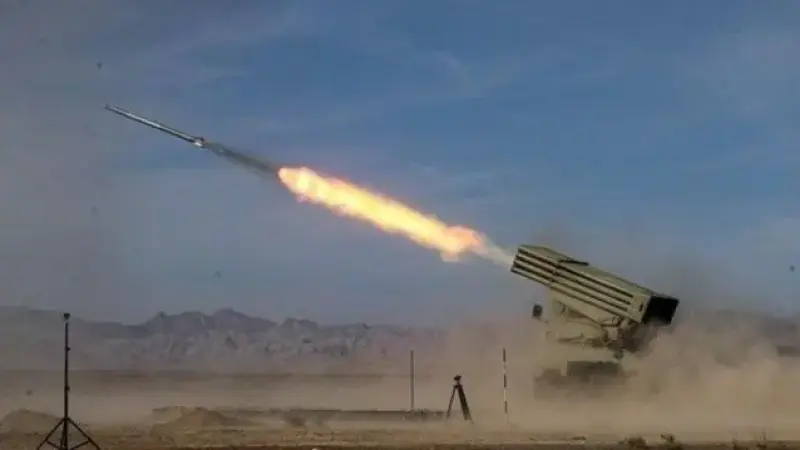
The escalation in Eastern Europe adds to a long list of ongoing global geopolitical tensions. In other parts of the world, threats such as those voiced by Tehran Threatens US Military Bases in Europe, illustrate how power dynamics continue to shift and demand high vigilance from the international community.
Relations between NATO and Russia are likely to remain strained for the foreseeable future. These maneuvers in Kaliningrad reaffirm that both sides are in a period of mutual show of force, with potentially significant consequences for regional peace.
Editorial Insight: NATO's maneuvers near Kaliningrad are more than just military exercises; they constitute a powerful political statement. This action aims to pressure Russia against taking further aggressive steps in the Baltics, while also bolstering the confidence of NATO members in the region. However, such demonstrations of strength also carry the risk of unintended escalation. The balance between deterrence and provocation is exceedingly fine, and the decisions made by leaders in 2026 will determine the trajectory of European security for the coming decade.