 Chandra Wijayanto
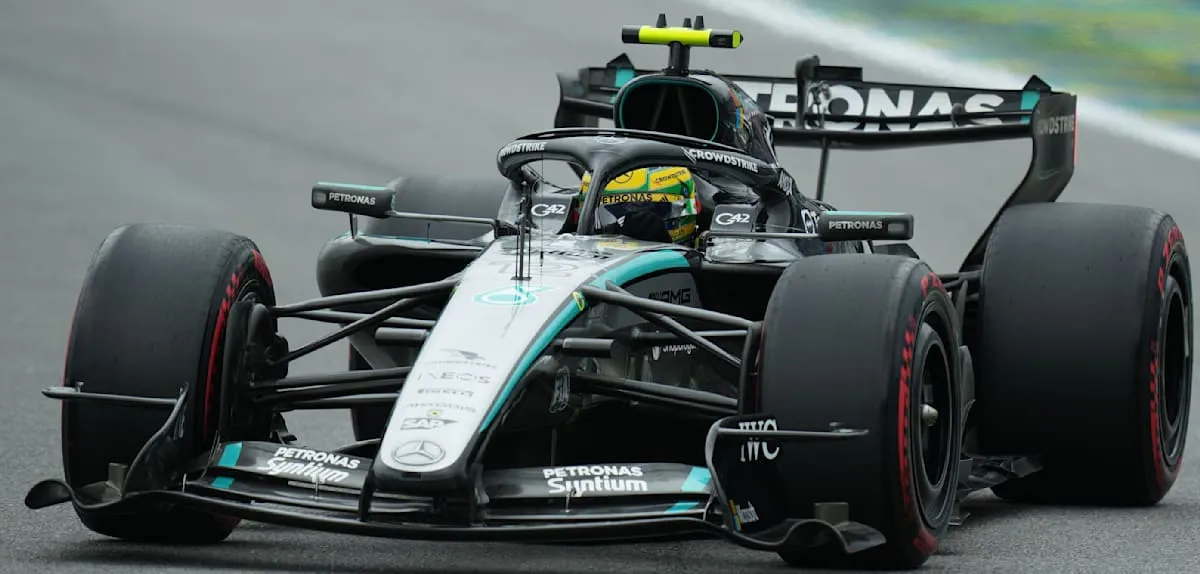
LONDON – The world of Formula 1 racing has been shaken by a radical announcement reaffirming the sport's identity: the roaring V8 engine will return to the tracks starting the 2026 season, ending the V6 turbo-hybrid engine era which only lasted four years. This drastic decision, announced by F1's highest authorities, was made following a series of criticisms regarding the lack of engine sound, technological complexity, and ballooning operating costs, as well as a strong desire to restore the authentic sensation of open-wheel racing.
This significant change marks a step back from the commitment to green technology that was once championed, but it is seen as an effort to heed the aspirations of fans and teams longing for F1's 'soul' to return. Since its debut in 2014, the V6 hybrid engine has been the backbone of technical regulations, promising efficiency and innovation. However, the sound it produced was deemed not as exhilarating as its predecessors, removing one of the most iconic elements of F1 viewership.
Internal sources from the International Automobile Federation (FIA) indicated that discussions regarding this transition have been intense for months. We heard directly from fans and stakeholders that the authentic sound and excitement of Formula 1 is a top priority, said an unnamed FIA spokesperson last week. The V8 engine brings that passion back.
The reintroduction of the V8 engine will bring F1 back to an era highly popular among veterans and racing enthusiasts. The V8 engine was last used in the 2013 season, before being replaced by the more complex and fuel-efficient V6 turbo-hybrid power units. This shift is also expected to reduce performance gaps between teams by simplifying engine technical regulations.
The costs of developing and maintaining hybrid engines have been a heavy burden for many teams, especially the smaller ones. By returning to a V8 configuration, operating costs are expected to decrease, opening opportunities for new teams to join and increasing competition. This also provides a breath of fresh air for manufacturers who might have been reluctant to invest heavily in complex hybrid technology that proved less popular.
The impact of this decision is expected to be widespread. Engine manufacturers like Mercedes, Ferrari, and Renault, who have invested billions in hybrid technology research and development, must now rapidly shift their focus. This could be a serious financial and technical challenge, but also an opportunity to innovate within the confines of more traditional engines.
Formula 1 fans worldwide greeted this news with burning enthusiasm. Social media was flooded with positive comments, celebrating the return of the 'roar' that had been missing from the circuits. Many hope that the return of the V8 will reignite more dramatic and adrenaline-fueled races, similar to what often happened in the F1 Las Vegas 2026 race series.
However, this decision also raises questions about Formula 1's commitment to sustainability and the environment. Amid global calls for a clean energy transition, returning to larger internal combustion engines might seem contradictory. F1 authorities will likely face pressure to explain how this move aligns with their long-term sustainability goals, perhaps by emphasizing the use of sustainable fuels.
Some industry experts argue that this is a pragmatic move to save the sport's popularity. Formula 1 is entertainment, and engine sound is a fundamental part of that entertainment, said a leading automotive analyst. If you lose that element, you risk losing your fan base.
The V6 hybrid engine era, though innovative, was often criticized for overemphasizing fuel efficiency and lacking emotion. With the return of the V8, F1 hopes to reinject the pure spirit of motor racing, where brutal power and deafening roars are irreplaceable hallmarks.
Editorial Insight: F1's decision to revert to V8 engines in 2026 is a significant gamble, sacrificing a 'green' image for primal appeal. This move indicates that F1, at its core, is an entertainment business heavily reliant on emotion and sensation. While there are environmental implications to address, the priority appears to be restoring the perceived lost 'sound' and 'soul' of the sport. This could be a huge boost for popularity, but also a challenge to balance tradition with modern demands for sustainability. The success of this move will heavily depend on how F1 manages the environmental narrative and whether the V8 roar can truly revive euphoria on the circuits.