 Angela Stefani
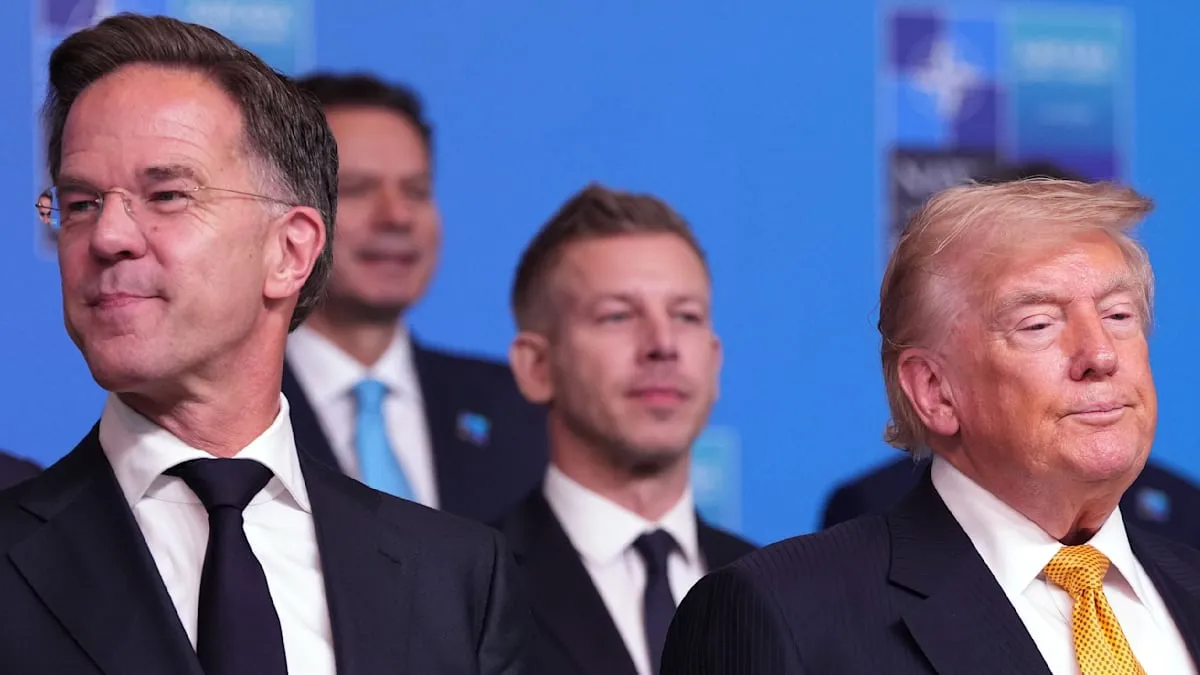
ANKARA — The 2026 NATO Summit in Ankara has concluded, but the atmosphere within was far from united. Leading defense expert, Ulrike Franke, summarized a fundamental change within the alliance, a significant shift demanding European nations become more self-reliant in guaranteeing their security.
Franke, in her sharp analysis post-summit, asserted that the gathering “was certainly not a summit of unity.” Her statement underscores a new reality where Europe is expected to shoulder a greater responsibility for their collective defense, reducing reliance on transatlantic allies.
This fundamental change, according to Franke, is a strong signal for European member states to recalibrate their national and regional security strategies. The alliance, which for decades has been an anchor of stability, now faces complex internal and external dynamics, necessitating a review of each party's role and contribution.
The transition towards greater European security autonomy has been a hot topic of debate in recent years. However, the outcomes of the 2026 Ankara Summit accelerate the momentum of this discussion, transforming it from theoretical discourse into an urgent practical necessity.
Various sources indicate that pressure on European nations to increase defense spending and develop independent military capabilities is growing. This is not merely a request, but a new expectation that will shape the future global security architecture.
The global geopolitical conditions in 2026, marked by regional tensions and an arms race, further emphasize the urgency for Europe to possess strong deterrent and response capabilities without always relying on leadership from outside the continent.
Some European leaders have openly voiced the need for 'strategic autonomy,' a concept promoting independence in defense decisions and military capability development. The Ankara Summit now serves as a catalyst for the realization of this vision.
Warnings from Ankara, as have been revealed, carry serious implications. Indeed, Trump once shook NATO with a warning that Europe would be threatened if it ignored Ankara's 2026 signals, hinting at consequences for Europe's lack of commitment to defense burdens.
The path forward for NATO, especially its European pillar, is to navigate this change carefully. Closer collaboration among European countries, investment in defense innovation, and the development of cyber and space capabilities will be key to addressing evolving security challenges.
Ultimately, the post-Ankara Summit narrative is about the evolution of a vital alliance. The future of European security may well depend on how quickly and effectively nations on the continent can adapt to these increasingly tangible demands for self-reliance.