 Angel Doris
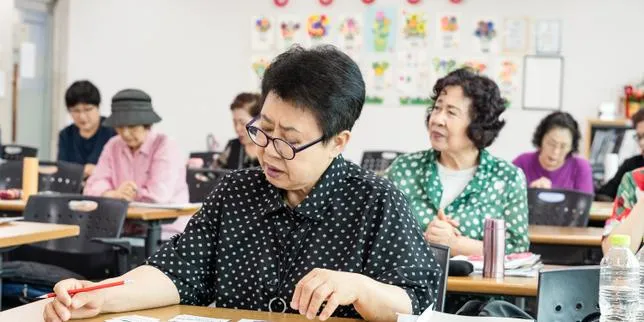
SEOUL – Thousands of elderly South Koreans, primarily women aged 70 to 85, are now embracing a golden opportunity to attend school. A literacy center in Seoul has opened its doors to those who were denied access to education in their youth, a progressive step to address historical disparities. This program is not merely about teaching reading and writing; it is about restoring dignity and long-held dreams.
This generation of septuagenarians and octogenarians grew up in the post-Korean War era, where difficult socio-economic conditions and patriarchal norms restricted educational rights, especially for girls. Many spent their childhood and adolescence working or managing households, never experiencing the joy of formal schooling.
One participant, Mrs. Kim (82), shared her story. She revealed, My father was convinced that girls should stay home, help their mothers, and prepare for family life. Mrs. Kim added that her dream of reading books or writing letters remained just a dream. Mrs. Kim's story represents the experiences of many women of her generation.
Now, with fervent enthusiasm, these seniors are learning to spell letters, write their own names, and even use simple digital devices. The classes are held monthly, specifically designed to accommodate their learning pace and physical conditions.
This literacy center has become an oasis of knowledge, offering a comprehensive curriculum ranging from basic alphabetization to general knowledge. Patient and dedicated teachers accompany each student, creating a supportive and inspiring learning environment.
This initiative marks a significant shift in South Korean society, which is increasingly recognizing the importance of lifelong education and inclusivity. Local governments and various non-profit organizations actively support similar programs, understanding that education is a fundamental right for every citizen, regardless of age.
The impact of this program is evident not only in the academic abilities of the seniors but also in their improved quality of life. They become more independent, confident, and have broader social interactions. These activities indirectly contribute to maintaining the cognitive health of the participants, a crucial aspect in dementia care in old age.
Participants often share stories of their delight when they first managed to read a street sign or send a message to their grandchildren. These small moments are tangible proof that the spirit of learning knows no age limits.
Beyond basic skills, they also gain knowledge about current issues, such as information technology and citizens' rights. This equips them to participate more actively in dynamic modern society.
Programs like this also open up intergenerational dialogue. Their grandchildren are often inspired by their grandparents' eagerness to learn and even help them with school assignments.
Editorial Insight: This literacy program for seniors in South Korea is not merely an educational endeavor but also a restoration of social justice. It demonstrates that investment in education, whenever it is undertaken, will always yield dividends in improved quality of life and individual pride. This initiative is worthy of emulation by other countries with similar demographics, serving as a reminder that it is never too late to learn and pursue one's dreams.