 Robert Andrison
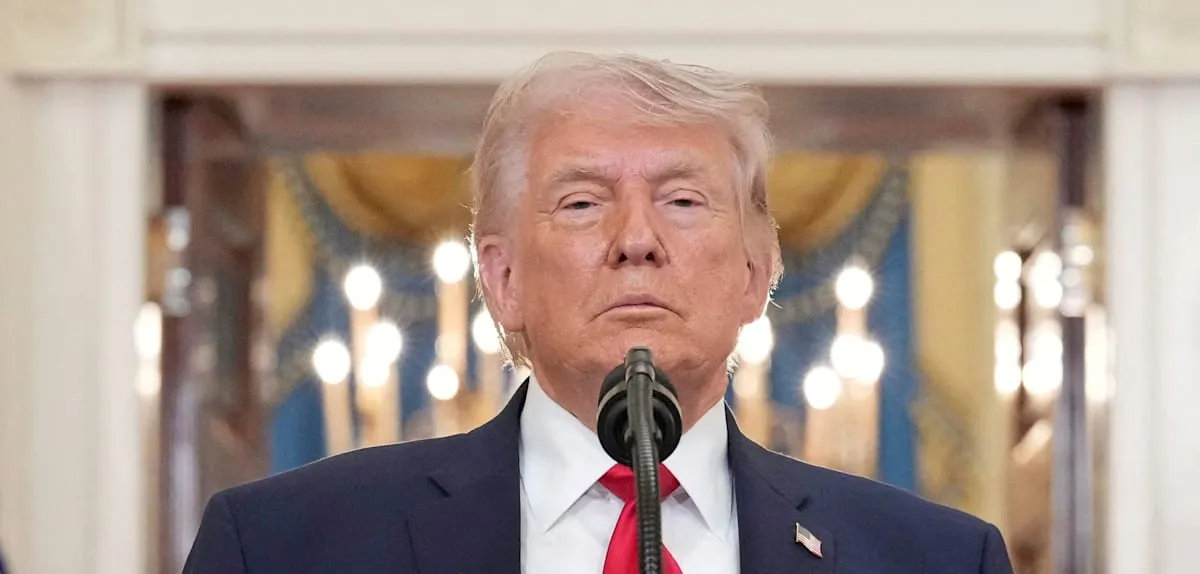
MIDDLE EAST — The United States government has reportedly issued an ultimatum to the Islamic Republic of Iran, demanding a written commitment regarding safe navigation in the Strait of Hormuz. Tehran, responding to this demand, firmly rejected the request, while also denying claims that it had sought to continue dialogue with Washington.
WASHINGTON — The ultimatum from Washington, which requested Iran's response by today, marks an escalation of diplomatic tensions between the two powerful nations. The Strait of Hormuz is a crucial maritime route, connecting major oil producers in the Middle East with global markets, thus stability in this region has massive economic and geopolitical implications.
TEHRAN — Iran, through its Foreign Ministry spokesperson, stated that such demands are baseless and constitute interference in their sovereignty. Tehran also vehemently denied claims referring to statements made by senior US political figure, Donald Trump, that Iran had requested an audience or continuation of negotiations, labeling it 'empty propaganda'. This statement is consistent with Iran's previous responses to US pressure, including unimaginable retaliation threats previously issued to the American administration.
Washington has not specified the consequences should Iran fail to comply with the demand. However, geopolitical analysts anticipate potential increases in economic sanctions, more intensified military patrols in the Gulf region, or even more serious confrontations if tensions are not de-escalated.
The Strait of Hormuz, bordered by Iran and Oman, is a strategic choke point through which approximately one-third of all seaborne traded oil and a quarter of the world's total liquefied natural gas passes daily. Any disruption in this strait could trigger global energy price spikes and disrupt international supply chains.
Over the past few decades, Iran has frequently threatened to close the Strait of Hormuz in response to international pressure or sanctions. This threat has always been a serious concern for the international community, given global reliance on energy supplies from the region.
Various nations, including the European Union and several Asian powers, have called for de-escalation and constructive dialogue between the US and Iran. They emphasize the importance of keeping international shipping lanes open and secure for global trade, to avert a broader economic crisis.
The US administration appears keen to ensure clarity on Iran's position regarding maritime security, especially after a series of incidents involving tankers and merchant vessels in Gulf waters over recent years. Washington asserts its right to guarantee freedom of navigation in international waters in accordance with global maritime law.
Iran argues that a massive foreign military presence in the Gulf actually destabilizes the region and that they have sovereign rights to secure their own waters. Tehran also accuses the US of provocation and attempts to isolate them economically and politically, disregarding regional interests.
With the deadline set and a firm rejection from Tehran, the future of security in the Strait of Hormuz now hangs in uncertainty. The international community awaits further developments, hoping tensions can be defused through diplomatic channels rather than a confrontation that could have global repercussions.