 Dodi Irawan
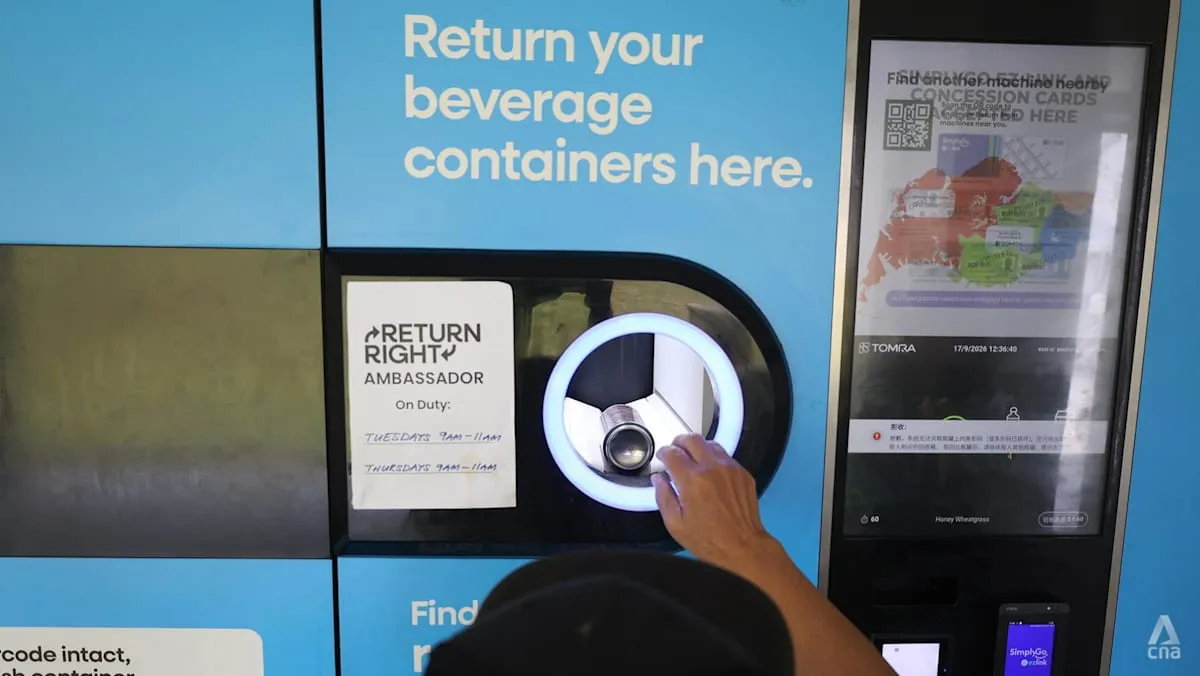
SINGAPORE – The National Environment Agency (NEA) has officially granted a final extension until November 30 for 29 non-profit organizations in Singapore to distribute stock without the Beverage Container Return Scheme (BCRS) label. This decision follows applications for a grace period from various groups that previously faced difficulties clearing their inventory before the original October 31 deadline. The extension aims to alleviate operational burdens on non-profit organizations while ensuring a smooth transition towards the full implementation of BCRS.
NEA, as the primary environmental policy regulator in Singapore, announced this extension to accommodate the logistical challenges faced by the non-profit sector. This proactive step reflects the government's commitment to supporting inclusive sustainability initiatives without unduly burdening socially oriented entities.
The Beverage Container Return Scheme (BCRS) is an integral part of Singapore's broader strategy to reduce waste and promote a circular economy. Under this scheme, consumers will pay a small deposit for each beverage container, which will then be refunded when the container is returned to a collection point.
The implementation of BCRS, designed to increase beverage container recycling rates, has posed adaptation challenges for several organizations. Especially for those with significant inventories of products without BCRS labels, the adjustment process requires considerable time and resources.
This deadline extension specifically targets non-profit groups that had previously applied for a grace period. This demonstrates a measured approach by the NEA, distinguishing between entities proactively seeking solutions and those who might have been less prepared.
An unnamed NEA spokesperson explained, We understand that transitioning to a new system requires adaptation. This extension is our response to constructive feedback from our non-profit partners, ensuring they have ample time to comply with regulations.
The impact of environmental policies like BCRS is not limited to Singapore. Other nations, such as Japan, are also actively leading climate innovation with green technology to drive global electrification, as reported in the article Japan Leads Climate Innovation: Green Tech Drives Global Electrification 2035. These global initiatives show a growing trend of awareness regarding the urgency of sustainability.
For non-profit organizations, this reprieve means they can avoid financial losses from withdrawing or relabeling non-compliant products. It also gives them the opportunity to educate their members or beneficiaries about the importance of BCRS and how participation can contribute to environmental efforts.
The non-profit sector often operates on thin profit margins, so any new regulation requiring significant investment can become a serious impediment. With this extension, NEA has demonstrated sensitivity to the unique circumstances faced by these institutions.
Hopefully, by the end of November, all non-BCRS labelled stock can be distributed, allowing for a seamless transition to the fully implemented system. This is crucial for the long-term success of BCRS in achieving Singapore's recycling targets.
This regulation is part of Singapore's vision to become a leading 'Green City' in Asia, aligning with global efforts to combat climate change. Every small step, such as packaging waste management, contributes to the bigger picture of sustainability.
Editorial Insight: The NEA's deadline extension is not merely an administrative delay but a strategic maneuver demonstrating governmental flexibility in the face of ambitious environmental policy implementation. It underscores the importance of collaboration between regulators and the private/non-profit sectors to achieve realistic sustainability goals. The successful adaptation of these 29 non-profit organizations will be a key indicator of the effectiveness of Singapore's inclusive approach to waste management.