 Angel Doris
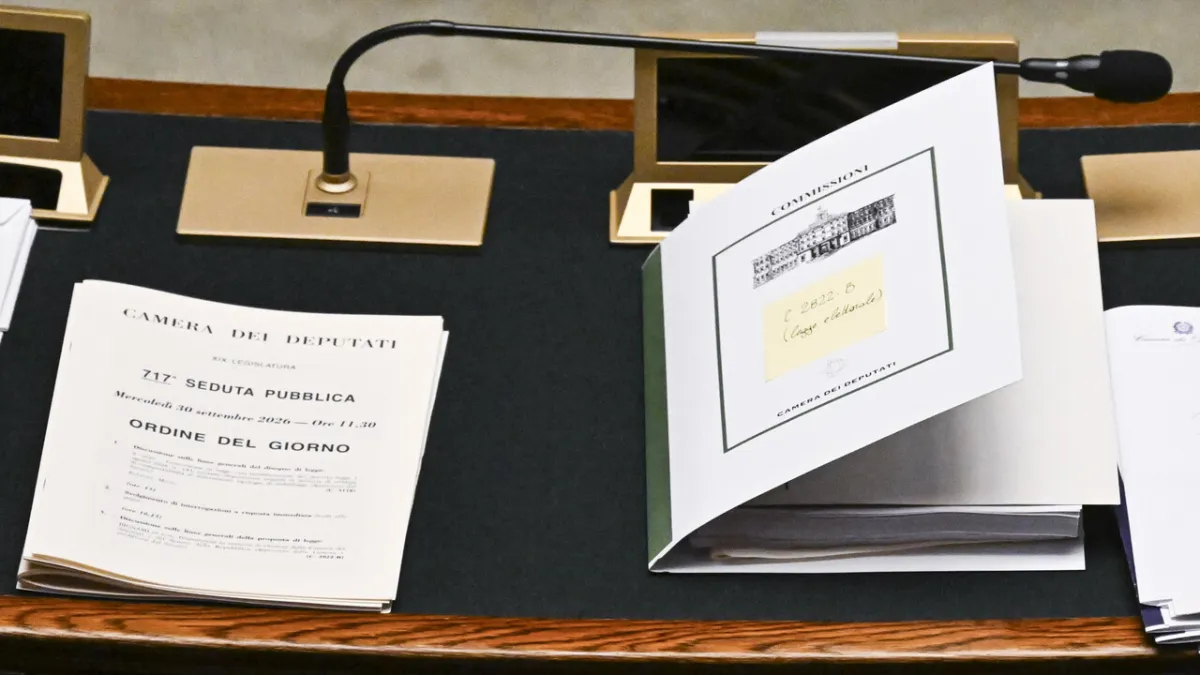
ROME – Italy's political system is facing a significant turning point following the approval of a draft electoral law reform. This new regulation introduces a crucial 42 percent vote threshold for coalitions or parties aspiring to form a stable government. Failure to reach this figure will automatically activate a pure proportional representation system, with major implications for the distribution of power and the appointment of the prime minister in the future.
This electoral law reform is designed to address the political fragmentation that frequently occurs in Italy. With the 42 percent threshold, its proponents hope to encourage the formation of stronger and more stable coalitions prior to general elections. This mechanism aims to provide a clearer mandate to the winners, reducing often protracted post-election negotiations.
Under the threshold scenario, if no coalition or party manages to break the 42 percent barrier, then parliamentary seat distribution will be entirely based on pure proportionality. Each party will gain representation corresponding to the percentage of votes it secured. While seemingly fair, this system potentially reopens the door to multi-party coalition governments prone to instability.
Furthermore, the reform also includes the indicazione del premier or indication of the prime minister. This feature allows coalitions or parties contesting the election to officially nominate their prime ministerial candidate before polling day. This step is expected to provide clarity to voters regarding who will lead the government, thereby enhancing political accountability.
Political analysts in Rome assess this reform as an ambitious attempt to stabilize Italy's notoriously dynamic political landscape. However, its success will largely depend on how major parties adapt to the new rules, especially in building solid and convincing pre-election coalitions for the public.
Fierce debates accompanied the discussion of this law in parliament. Opposition factions voiced concerns about the potential marginalization of smaller parties if large coalitions dominate. Meanwhile, supporters emphasized the importance of governmental stability and efficiency for the country's progress.
This change comes at a crucial juncture for Italy, as highlighted in the article Italy on the Brink: Electoral Reform Faces Crucial Test, which underscored the significance of every policy step in this Roman legacy nation. Complex economic and social challenges demand a strong and consistent government.
Nonetheless, the implementation of this reform is not without its challenges. Italy's political history demonstrates that changes in electoral law frequently trigger unforeseen dynamics. The 42 percent threshold, though well-intentioned, could still lead to stalemates if vote fragmentation is too extreme.
The Italian populace now awaits how political parties will respond to this new regulation in the run-up to the next general election. Their ability to compromise and form strategic alliances will be key in determining the nation's political direction. This reform is hoped to foster constructive dialogue and reduce the polarization that often hinders progress.
The primary objective of the reform is to create a system that is more responsive to voters' wishes and more effective in forming a government that can execute its mandate without obstruction. Public hopes are high that this new electoral law will genuinely bring positive change and long-term stability to Italy.
Editorial Insight:
This electoral law reform in Italy is a bold step attempting to resolve chronic political fragmentation. With a 42 percent threshold and the indication of the prime minister, there is potential for a more cohesive and accountable government. However, the risk of political deadlock remains if no coalition can secure a strong majority. The success of this reform will serve as a crucial barometer for the future of parliamentary democracy in other European nations facing similar challenges in government formation. The post-reform political dynamics will be the true test for Italy's political system.