 Edward DP Situmorang
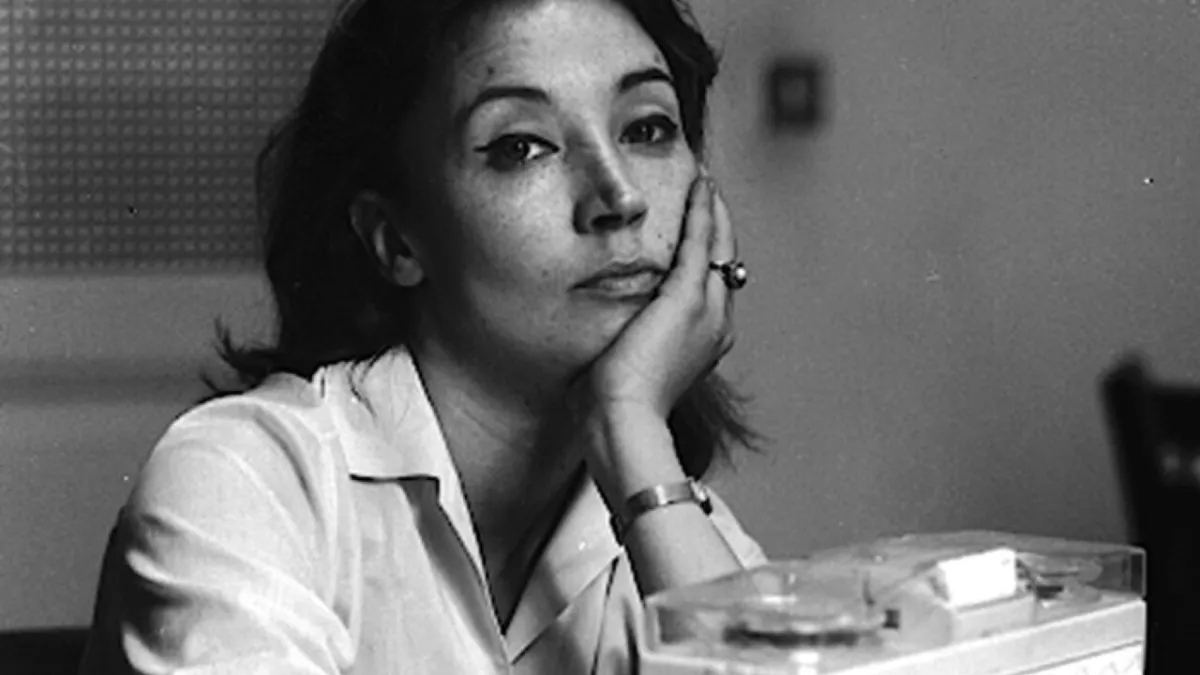
ROME – Twenty years after her passing, unpublished letters from legendary journalist and writer Oriana Fallaci to Archbishop Rino Fisichella are set to hit bookstores on September 8, 2026. This archival collection, published by Piemme, promises profound revelations about the controversial journalist's thoughts and her complex relationship with a significant spiritual figure. The publication coincides with the two-decade anniversary of Fallaci's death, offering fresh perspectives for readers and admirers of her work.
Oriana Fallaci, who passed away on September 15, 2006, was widely known for her sharp and uncompromising journalistic style. She was a master interviewer who managed to penetrate the essence of world leaders and influential figures. From Indira Gandhi to Yasser Arafat, her interviews often sparked heated debates and exposed unexpected facets of her subjects.
Her relationship with Monsignor Rino Fisichella, a prominent theologian and Archbishop, was one of the personal bonds rarely revealed in detail to the public. Fisichella, who for years held important positions in the Roman Curia and the Vatican, including President of the Pontifical Academy for Life and the Pontifical Council for the New Evangelization, is a respected intellectual figure within the Catholic Church.
These letters, long kept private, are expected to unveil a different personal dimension of Fallaci from her public image. Such correspondence could potentially discuss her struggles with faith, her philosophical questions about life and death, or even more intimate political reflections, far from microphones and camera spotlights.
Piemme, as a publisher renowned for quality literary and non-fiction works, takes a significant step by compiling this legacy of correspondence into a book. This decision demonstrates confidence in the historical and literary value of these letters, which are expected to attract wide interest from both academia and general readers.
Rino Fisichella himself, on various occasions, has expressed his admiration for Fallaci's intellectual sharpness, despite their often differing views. This suggests that their correspondence was not merely a casual exchange, but substantial discussions involving two independent thinkers.
The revelation of a public figure's private letters post-mortem always creates intrigue. For Fallaci, known for her frankness, these letters might be another form of 'self-interview,' where she expressed her deepest thoughts without public filters.
This publication also enriches the existing body of literature on Oriana Fallaci, complementing biographies, analyses of her works, and compilations of her interviews. It reasserts her position as one of the most significant voices in Italian journalism and literature of the late 20th and early 21st centuries.
Although the specific contents of the letters remain confidential until the launch date, public expectation is high. Critics and admirers await to see how this personal interaction can enrich our understanding of the complexity of Oriana Fallaci, a woman who refused to be categorized and always sought truth, even amidst contradictions.
Further exploration of the relationship between secular thinkers and religious figures like Fallaci and Monsignor Fisichella can provide valuable insights into interfaith dialogue in an ever-changing modern world. This is an intellectual bridge worth examining.
These letters, released exactly two decades after her passing, serve as a reminder of Oriana Fallaci's enduring intellectual footprint. They are a new monument to her legacy, which remains relevant and thought-provoking to this day.
Editorial Insight: The publication of Oriana Fallaci's private correspondence with Monsignor Fisichella is not merely a commemorative moment, but also a significant literary and historical event. It has the potential to reshape public perception of one of Italy's most influential journalists, revealing her humanist side and intellectual struggles beyond the tough image that has long been associated with her. The relevance of the dialogue between the skeptical Fallaci and the religious Fisichella in 2026 also affirms that the search for meaning and truth is an eternal endeavor, transcending ideological barriers.