 Chandra Wijayanto
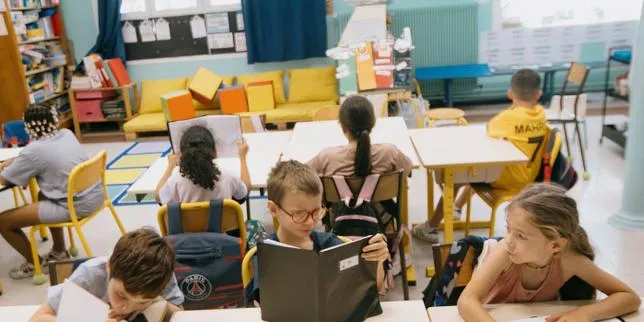
PARIS – Paris City Hall announced anticipatory plans to close five schools in the 14th arrondissement starting in 2026. This significant decision emerges as a direct response to a worrying trend of demographic decline among students and immense financial pressure for building renovation needs. The policy, officially termed bioclimatic sectorization, is projected for gradual expansion across the entire French capital.
This drastic measure reflects the acute dilemma faced by metropolitan authorities. Declining birth rates and the migration of young residents from the city center have led to a sharp decrease in student numbers. Simultaneously, many school buildings demand substantial investment for modernization and adaptation to contemporary environmental standards, including energy efficiency, which forms part of the city's climate agenda.
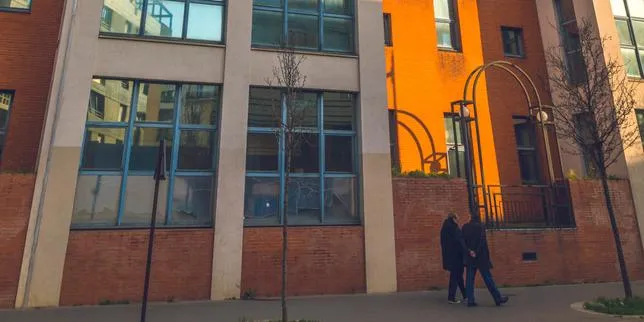
The concept of bioclimatic sectorization is more than just physical closures; it represents a restructuring of the education system that considers environmental factors and sustainability. This implies that the schools retained will be prioritized for renovation to become more eco-friendly, energy-efficient, and capable of offering a learning environment more adaptive to climate change. However, its implementation will clearly involve consolidation and optimization of existing resources.
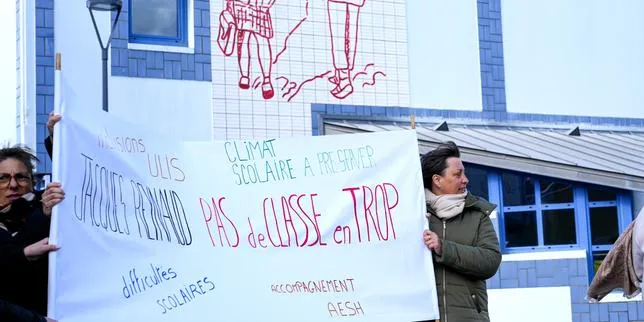
The five identified schools in the 14th arrondissement will serve as the initial pilot projects for this controversial policy. This district has long contended with demographic challenges and budgetary constraints. This decision has the potential to spark waves of protest from parents, teachers, and local communities concerned about the social impact and accessibility of education for their children.
City Hall authorities implicitly face considerable budgetary pressure. The City Hall's finances are reported to be severely drained. Other priorities for urban infrastructure renovation, such as preparations for upcoming Olympics or addressing the housing crisis, may exacerbate this situation, making school closures a bitter recourse.
If successful, or at least deemed necessary, this policy will set a precedent for all of Paris. The City Hall intends to apply a similar approach in other arrondissements that also exhibit declining demographic trends or possess very old school buildings requiring unrealistic renovation costs.
The issue of education and its quality evaluation in France has drawn global attention. Previous reports in 2026 also highlighted a national decline in French language proficiency, adding to the complexity of challenges faced by the country's education system. These school closures could intensify public concerns regarding the future of education in France.
Critics argue that school closures are a short-term solution that sacrifices educational quality and accessibility. They urge the City Hall to seek alternative funding or innovative strategies to maintain educational facilities, even amidst demographic decline. Public discussion on this matter is expected to heat up as the implementation date approaches.
The Parisian municipal government must now balance budgetary efficiency, sustainability demands, and the fundamental right of children to education. How bioclimatic sectorization will impact the long-term social structure and quality of life in the capital remains a significant question.
Editorial Insight: Paris City Hall's decision to close schools through bioclimatic sectorization mirrors the complex modern challenges confronting major cities: changing demographics, economic pressures, and the urgency of climate action. While viewed as an efficiency measure, the potential social repercussions of this educational consolidation demand serious consideration. Transparency and constructive dialogue with the community will be crucial to ensure this policy does not create new disparities, but rather supports an adaptive and sustainable educational foundation for future generations.