 Debby Wijaya

VAREL — Tension gripped the northern German town of Varel on Wednesday morning, April 22, 2026, after a resident discovered an active World War II phosphorus grenade while gardening in his backyard. This dangerous find immediately triggered a massive emergency response, involving police, bomb disposal teams, and the evacuation of several nearby homes to ensure public safety.
The incident began when Mr. Klaus Müller (65), a resident of Am Deich Street, Varel, was routinely digging soil to plant rose bushes. His shovel suddenly struck a hard metal object buried shallowly in the ground. Instead of a common rock or metal fragment, Müller was startled to recognize the shape and corrosion indicating an old grenade. His experience and local knowledge of war relics immediately made him aware of the potential threat.
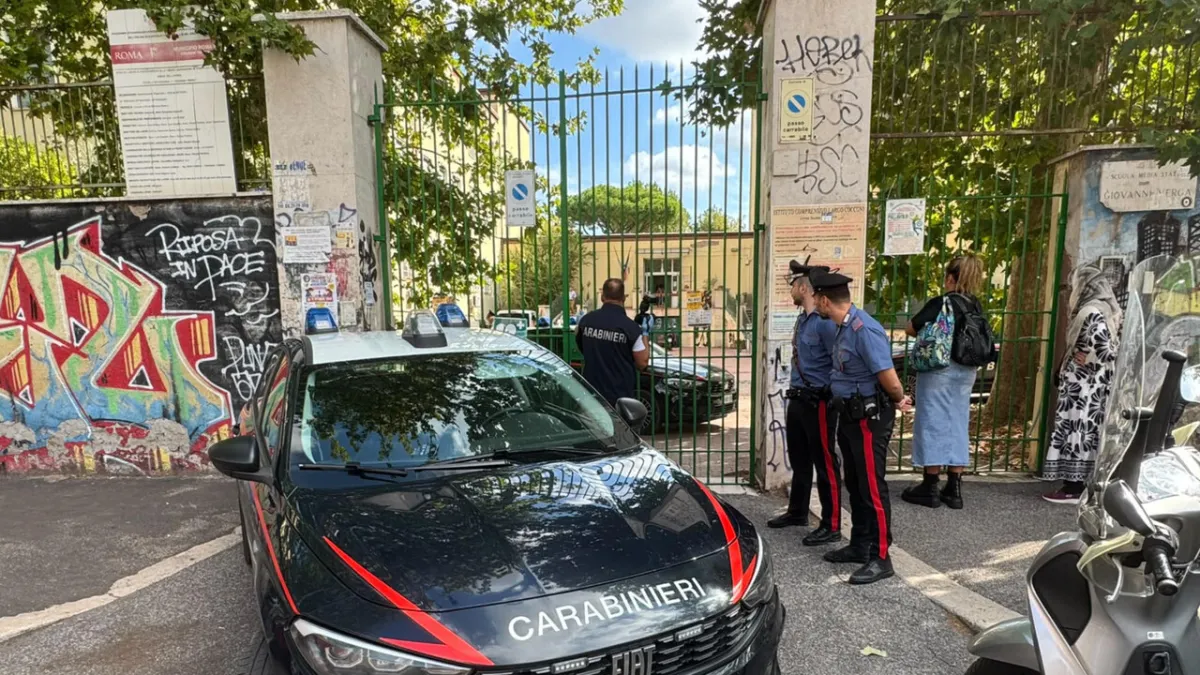
Without delay, Müller promptly contacted the Friesland Police. The first officers on the scene quickly secured the area and requested assistance from the specialist Explosive Ordnance Disposal (EOD) team. An EOD unit from Lüneburg, experienced in handling thousands of similar cases, was immediately dispatched to Varel.
White phosphorus grenades, even after being buried for over eight decades, still pose a deadly threat. Contact with air can cause phosphorus to ignite spontaneously at low temperatures, producing severe chemical burns that are difficult to extinguish and toxic white smoke that can damage the respiratory tract. The expert team had to work with extreme caution.
As a preventive measure, local authorities mandated the evacuation of residents living within a 300-meter radius of the discovery site. Several families were relocated to a temporary shelter set up at the town hall, while roads leading to the area were completely closed to public traffic.
Friesland Police spokesperson, Chief Inspector Lena Schmidt, stated in a brief press conference, “The situation is completely under control. We appreciate the promptness of the citizen who reported this discovery. Our top priority is the safety of our residents and the handling of this wartime explosive according to the highest standard safety procedures.”
Germany, particularly the regions of Niedersachsen and Bremen, continues to grapple with the legacy of World War II in the form of thousands of tons of unexploded bombs, grenades, and ammunition. The discovery of such explosive devices is not uncommon, especially in heavily bombed urban areas or former battlefields.
Each year, an average of over 5,000 tons of unexploded ordnance are found and neutralized in Germany. The federal and state governments allocate significant budgets for EOD units and risk-mapping programs to mitigate dangers to the public and infrastructure development projects.
Authorities regularly urge the public to never touch, move, or attempt to inspect suspicious foreign objects, especially when gardening, during construction, or engaging in outdoor recreational activities. Immediate reporting to the police or bomb disposal team is the safest course of action.
After hours of careful and tense operation, the EOD team successfully secured the phosphorus grenade and transported it to a safe location for further disposal. Evacuated residents were permitted to return to their homes by late afternoon, with palpable relief.
This incident in Varel once again serves as an important reminder of the hidden dangers that may still lie beneath Germany's surface. Vigilance and adherence to safety protocols remain key to preventing tragedies from the remnants of past conflicts."
"meta_keywords": "Granat fosfor, Varel, Jerman, Perang Dunia II, Penjinak bom, Benda peledak, Bahaya tersembunyi, Niedersachsen",
"meta_keywords_en": "Phosphorus grenade, Varel, Germany, World War II, Bomb disposal, Explosive ordnance, Hidden danger, Lower Saxony",
"meta_description": "Warga Varel geger setelah menemukan granat fosfor aktif peninggalan Perang Dunia II saat berkebun, memicu evakuasi dan respons darurat penjinak bom.",
"meta_description_en": "Varel residents alarmed after active WWII phosphorus grenade found during gardening, triggering evacuation and emergency bomb disposal response.