 Angel Doris
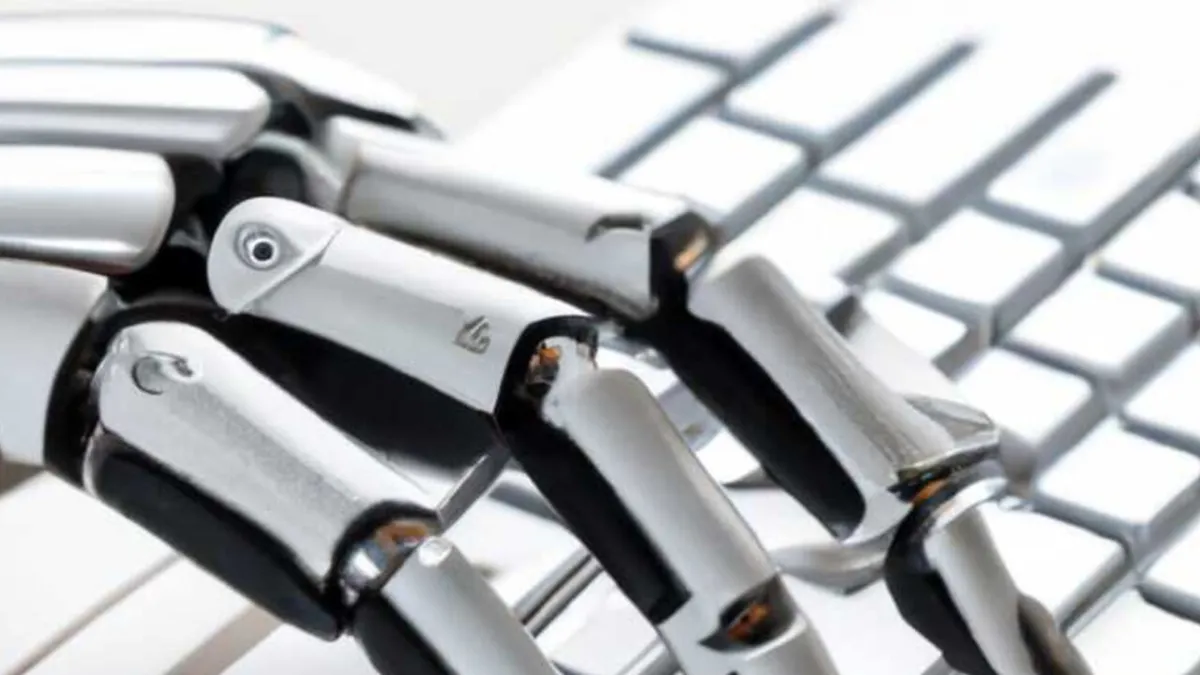
JAKARTA — An artificial intelligence (AI) instrument capable of producing text with human-like nuances and style has sparked deep concern among global technology and economic experts in early 2026. This phenomenon, increasingly evident with sophisticated generative algorithms, raises crucial questions about the transformation of work capacity and the potential disruption to the future employment landscape. The debate centers on whether AI innovation will enhance human efficiency or erode the need for conventional labor.
According to a leading expert in automation, the development of this technology demands a comprehensive study. "We need to understand if it increases our work capacity or makes us lose it," the expert stated, emphasizing the fundamental dilemma facing global society. This statement underscores the urgency of carefully analyzing the long-term implications of AI adoption in the writing and creative sectors.
The primary concern stems from the increasing difficulty in distinguishing between AI-generated text and human-written work. AI's ability to imitate human writing style, intonation, and even emotions creates new challenges to authenticity, academic integrity, and journalistic credibility. This could potentially erode public trust in information.
However, not all views are pessimistic. Proponents of AI technology argue that this tool can be an extraordinary accelerator of productivity. By automating routine writing tasks, such as standard reports or initial drafts, AI allows human workers to focus on more complex, strategic, and high-level creative work. This potential for efficiency is touted to drive cross-sector innovation.
Another significant aspect to consider is the ethical and social risks. Unsupervised AI-generated text could trigger massive waves of plagiarism, sophisticated dissemination of misinformation (hoaxes), and the degradation of critical writing skills in future generations. Recent research even shows how Anthropic is beginning to unravel the 'mind' of AI, demonstrating the complexity behind its generative capabilities.
Various developed nations, including those in the European Union and the United States, have begun to explore regulatory frameworks to control the misuse of generative AI. The goal is to balance innovation with the protection of copyright, privacy, and information security. However, establishing effective policies remains a significant challenge given the rapid pace of technological advancement.
Lessons from previous industrial revolutions indicate that each wave of automation invariably changes the employment landscape but rarely eliminates the total need for human labor. Instead, there is a shift in focus and the creation of new roles requiring adaptive skills. This paradigm is also relevant in facing the current era of artificial intelligence.
In the context of education, the urgency of preparing younger generations for the AI era cannot be overstated. Curricula need to be updated to emphasize critical thinking, creativity, complex problem-solving, as well as digital and AI literacy. Skills not easily replicated by machines will become the most valuable assets.
The industry sector also shows varied responses. Some media and technology companies have begun experimenting with AI to increase content production efficiency, while others remain cautious, prioritizing human touch and originality. Strategic industry decisions will significantly influence the future direction of AI adoption.
Therefore, intensive multi-stakeholder dialogue is required among governments, the technology industry, academia, and civil society. This collaboration is essential to formulate comprehensive ethical guidelines, policies, and educational strategies to ensure that AI technology truly serves humanity.
The future of professions like writers, journalists, and content creators may not disappear but will evolve. Their roles are likely to shift from mere text producers to curators, editors, verifiers, and drivers of original ideas that cannot be created by algorithms. This necessitates swift professional adaptation.
In conclusion, AI tools capable of mimicking human writing present a double-edged sword: unlimited efficiency potential on one side, and the threat of job disruption and ethical challenges on the other. How global society responds to this fundamental dilemma will determine whether we can truly leverage artificial intelligence as a partner or face unforeseen consequences.