 Angel Doris
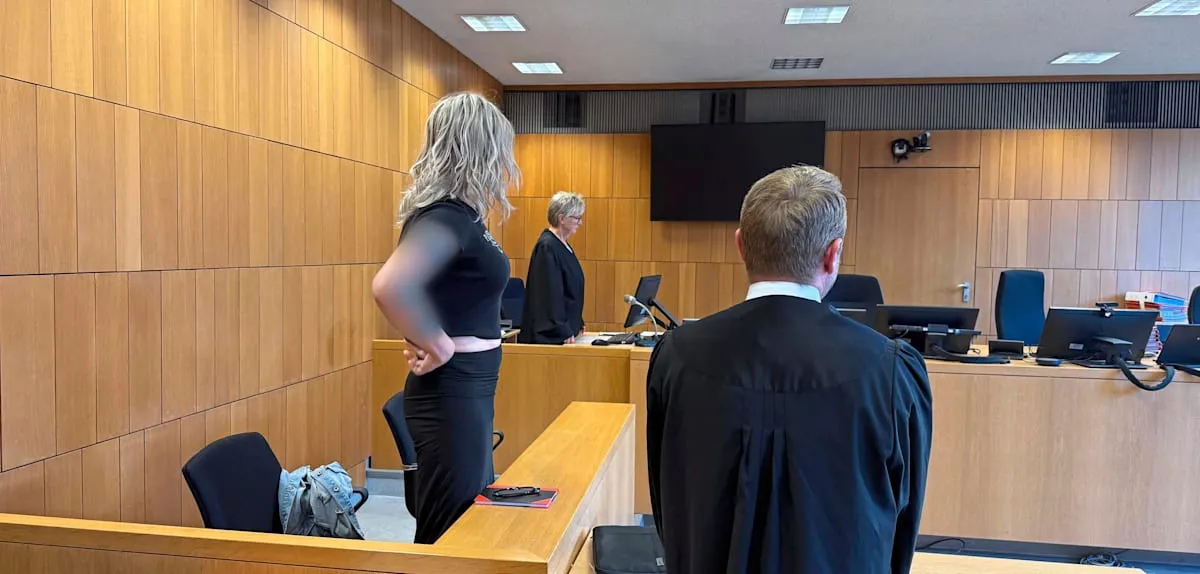
GERMANY – A shocking incident has rattled the German police institution, involving a transgender police officer identified as Maja S. She is strongly suspected of having raped a 14-year-old girl. This tragic event came to light after the victim reportedly received obscene messages sent directly from a police station, subsequently followed by the alleged sexual assault in a public women's restroom.
In-depth investigations revealed that initial communication between Maja S. and the teenager began with the dispatch of sexually suggestive messages. Sources from the authorities indicate that these messages were sent from the police headquarters, suggesting a potential abuse of authority and access to law enforcement facilities. This case has immediately sparked public outrage and raised serious questions about the integrity of security forces.
Furthermore, subsequent investigations by law enforcement uncovered additional incriminating evidence. During a search of the suspect's premises, investigators reportedly found files containing child pornography and zoophilia materials. This discovery significantly deepens the complexity and gravity of the accusations leveled against Maja S.
This case represents a severe blow to the police's image, particularly regarding public trust in an institution tasked with protection. The police force has worked diligently to build an inclusive and professional image, but this incident threatens to undermine those efforts. The public demands full transparency and accountability for a case involving a police officer.
The legal process against Maja S. is now underway, with serious charges pending. Legal experts emphasize the importance of handling this case fairly and firmly, given the suspect's status as a law enforcement official. The principle of presumption of innocence is maintained, but initial evidence points to grave violations requiring a commensurate legal response.
This alleged sexual abuse case involving a minor once again highlights the critical issue of child protection from violence. Educational institutions, families, and society play vital roles in creating safe environments. This incident serves as a grim reminder that threats to children can emanate from various sources, even from those entrusted with ensuring their safety.
Public reaction to the case has been extensive. Various civil society organizations, particularly those working on women's and children's rights, have expressed deep concern. They urge that the investigation be conducted as objectively as possible and that the victim receives adequate psychological support and legal protection.
The incident has also ignited a heated discussion about transparency revolution and adherence to ethical codes within the police force. The importance of ethical training and enhanced internal oversight becomes highly urgent to prevent similar cases from recurring. Every police member must uphold their oath of office and integrity.
The long-term impact of this case will not only be felt by the victim and her family but also by the police institution itself. A crisis of trust can affect the effectiveness of police work and widen the gap between law enforcement and the community. Efforts to restore trust will require time and comprehensive structural reforms.
Editorial Insight: This alleged rape case involving a transgender police officer reflects the complex challenges faced by law enforcement institutions in 2026. More than just an individual criminal act, this incident exposes potential loopholes in recruitment systems, internal oversight, and psychological support for personnel. It is crucial for the police not only to punish the perpetrator but also to thoroughly evaluate prevention and handling mechanisms for similar sensitive cases. Investigative transparency and a commitment to justice are key to restoring public trust, which is now shaken.