 Chris Robert
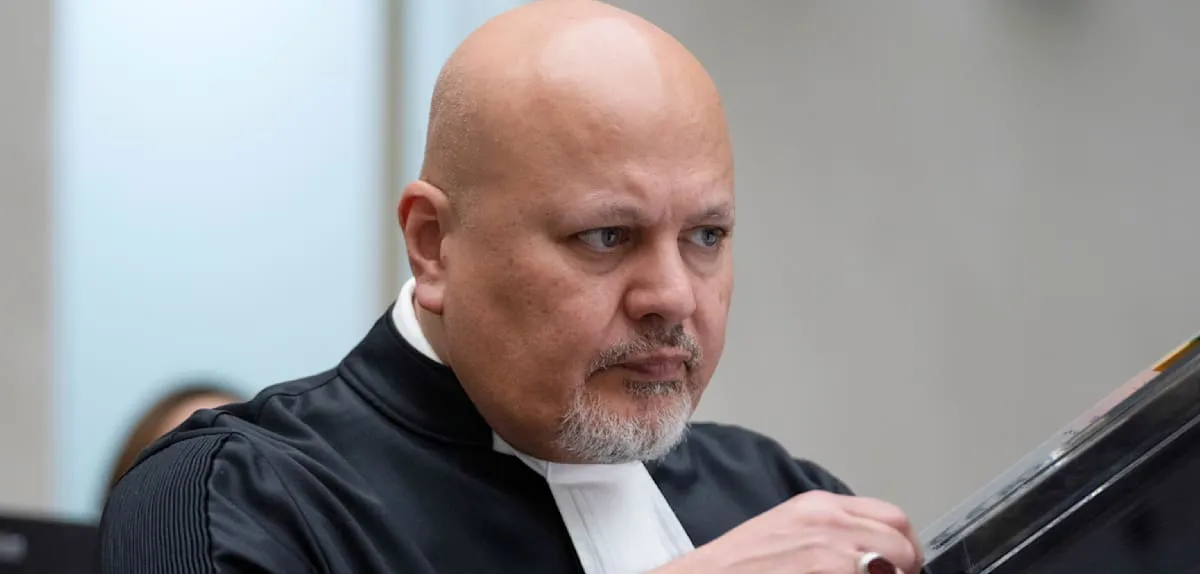
THE HAGUE — The Chief Prosecutor of the International Criminal Court (ICC), Karim Khan, was officially dismissed from his position in early 2026. This decision was made by member states following a two-year investigation into what was termed grave misconduct. The incident immediately triggered strong reactions from several nations, including Israel and the United States, which historically have complex relationships with the ICC's jurisdiction.
The affair involving Prosecutor Khan had been a major focus since the beginning of its investigation. The allegations of grave misconduct against him eroded public trust and the integrity of the global judicial institution. A thorough investigation by an independent committee concluded that there were serious ethical and procedural violations that could not be tolerated by international judicial standards.
A vote by the states parties to the Rome Statute, the treaty that established the ICC, resulted in a majority decision to dismiss Khan. This step was taken in response to increasing pressure from various parties to maintain the credibility of the court, which is responsible for prosecuting the most serious crimes of concern to the international community, such as genocide, war crimes, and crimes against humanity.
Reactions to the dismissal were swift. Israel, which does not recognize the ICC's jurisdiction over its territory, immediately issued a statement. A senior Israeli government official in 2026 stated, "This decision, although internal to the ICC, underscores the fragility and political bias that often accompany this institution. We hope his successor will be more objective."
The United States, also not a full member state of the ICC, expressed similar concerns. A spokesperson for the US State Department commented that they were closely monitoring developments at the ICC. "It is important for the ICC to maintain the highest standards of leadership and accountability to effectively and fairly carry out its mandate," the spokesperson said.
The dismissal of a Chief Prosecutor is a rare event in the ICC's history, indicating the seriousness of the accusations faced by Karim Khan. Throughout his tenure, Khan was involved in several high-profile investigations, including situations in Afghanistan, Palestine, and Ukraine, which often placed him in a tumultuous position on the global political stage.
This scandal is not merely an internal administrative matter but a reflection of the challenges faced by international judicial bodies in maintaining neutrality and independence. Political pressure from major powers and unavoidable legal complexities often overshadow the ICC's operations.
Looking ahead, the search for Karim Khan's successor will be a crucial process. The new Chief Prosecutor must be able to restore the ICC's image, reaffirm its commitment to justice, and navigate an increasingly complex geopolitical landscape. The selection process is expected to involve extensive consultations among member states to ensure the chosen candidate possesses undeniable integrity and leadership capacity.
Some international legal analysts argue that this dismissal, while embarrassing, also presents an opportunity for the ICC to introspect and strengthen its oversight mechanisms. "This is a reminder that no one is above the law, especially those tasked with enforcing it at the international level," said Professor Clara Schmidt, an international criminal law expert from Leiden University at the end of 2026.
The long-term impact of this decision on cases currently being handled by the ICC remains to be seen. There are concerns that a sudden change in leadership could delay or even alter the direction of several sensitive investigations. However, supporters of the ICC hope that with new and clean leadership, the court can function more effectively.
This event also triggered a profound discussion regarding governance reforms within the ICC. Some parties are calling for a review of internal oversight procedures to prevent the recurrence of similar incidents in the future. Transparency and accountability are seen as key to restoring public trust and the legitimacy of the institution.
In conclusion, the dismissal of Chief Prosecutor Karim Khan marks a new chapter for the International Criminal Court. It is a challenging moment, but also an opportunity to strengthen the foundations of global justice. The international community now awaits the next steps from the ICC member states in ensuring that this institution remains an important pillar for the enforcement of law and human rights worldwide.