 Dorry Archiles
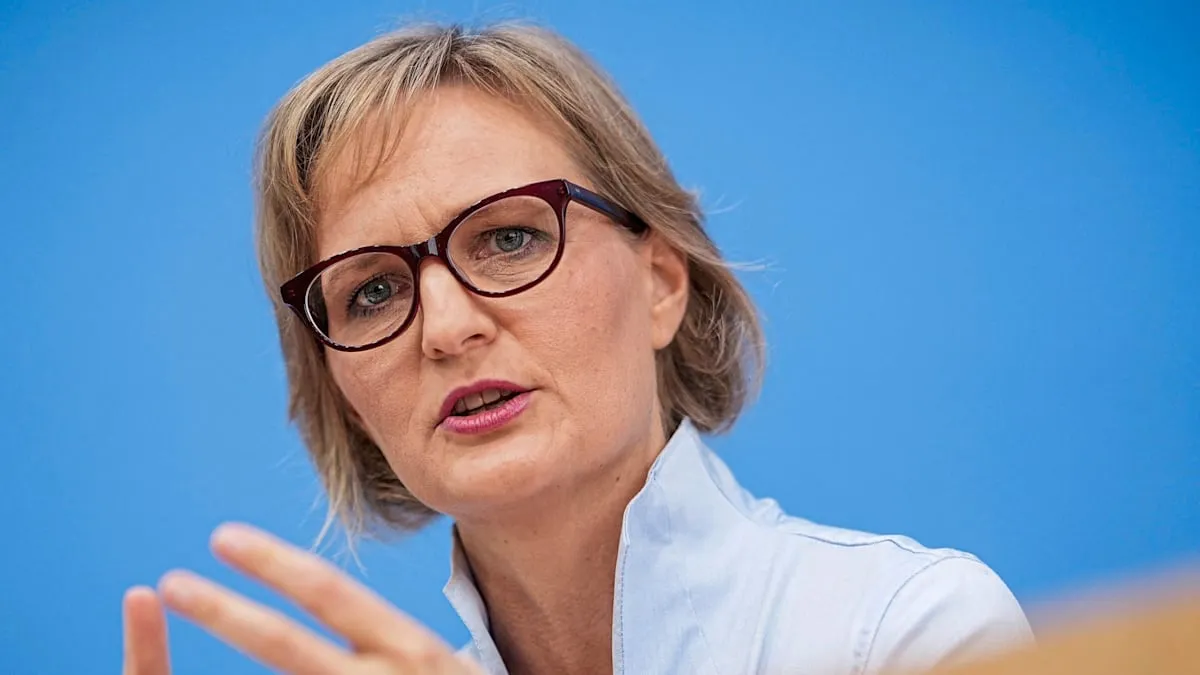
BERLIN – The leader of the German Green Party parliamentary group, Franziska Brantner, has emphatically called for a windfall tax on oil and gas corporations. This plea follows Brantner's assessment that the pension reform process has been bumpy and stumbled, necessitating substantial improvements for low-income segments of society.
Brantner, a central figure in German politics, underscored the urgency of government intervention. Volatile global economic conditions, especially energy price fluctuations, have generated fantastic profits for some oil and gas companies, while the broader public faces increasingly heavy living costs.
The demand for a windfall tax is more than mere rhetoric. The Green Party consistently advocates for distributive justice principles, where corporations reaping extraordinary profits due to crises must contribute more to the state. Funds collected from this tax are expected to be allocated to alleviate the burden on the public.
Another primary focus is the overhaul of the pension system. Brantner highlighted the vulnerable conditions of pensioners with minimal incomes. She asserted that the ongoing reforms are neither comprehensive nor effective enough in protecting this group, thus requiring fairer and more sustainable adjustments.
The process was obviously bumpy and stumbled, Brantner stated, referring to the challenging path faced by these reform initiatives. This declaration reflects disappointment with the slow progress and the current system's inability to respond to the urgent needs of the German people.
Levying taxes on excess profits of energy companies has become a hot topic across Europe. Several countries have considered or even implemented similar policies in response to the post-geopolitical surge in energy prices, which triggered massive inflation.
The implementation of such a tax is expected to foster fiscal justice. Amidst rising living costs and the threat of recession, the fantastic profits enjoyed by oil and gas corporations are seen as an anomaly that must be addressed with progressive policies.
The call for pension reform aligns with the Green Party's vision for a more inclusive and supportive society. They argue that every citizen, regardless of employment history or income level, deserves to enjoy a dignified old age.
The issue of pension reform in Germany itself has been a long-standing debate. Various parties have proposed different solutions to address demographic challenges and the sustainability of the retirement security system. However, Brantner emphasized that priority must be given to protecting the most vulnerable groups.
In the current dynamic of German politics, Brantner's call adds pressure on the ruling coalition to take concrete steps. German political life is indeed full of turmoil and debate, as reflected in other reports about parliamentary commotion, such as Linke Berlin Guncang Parlemen: Anggota Neukolln Hadapi Pemecatan Politik! which illustrates the intensity of political discourse from local to national levels.
The Green Party continues to position itself as an advocate for social and environmental change. Their demands frequently challenge the status quo, pushing the government to consider bolder policies that prioritize collective well-being.
This is not the first time Brantner or the Green Party has voiced similar concerns. Their agenda consistently includes efforts to address economic inequality and ensure that the energy transition leaves no one behind.
The measures proposed by Brantner aim to ease public dissatisfaction and strengthen Germany's socio-economic foundations. A prompt and measured response from the government is highly anticipated to tackle the existing challenges.
Editorial Insight: Franziska Brantner's push for a windfall tax and improvements to pension reform highlights crucial points in Germany's economic and social policy. If successfully implemented, these policies have the potential to ease the burden of inflation for the public and create a fairer pension system. However, the political challenge of garnering cross-party support, especially from conservative groups and industry players, will be a significant obstacle. The success of these initiatives will depend on the coalition's ability to compromise and prioritize the long-term interests of German citizens.