 Debby Wijaya
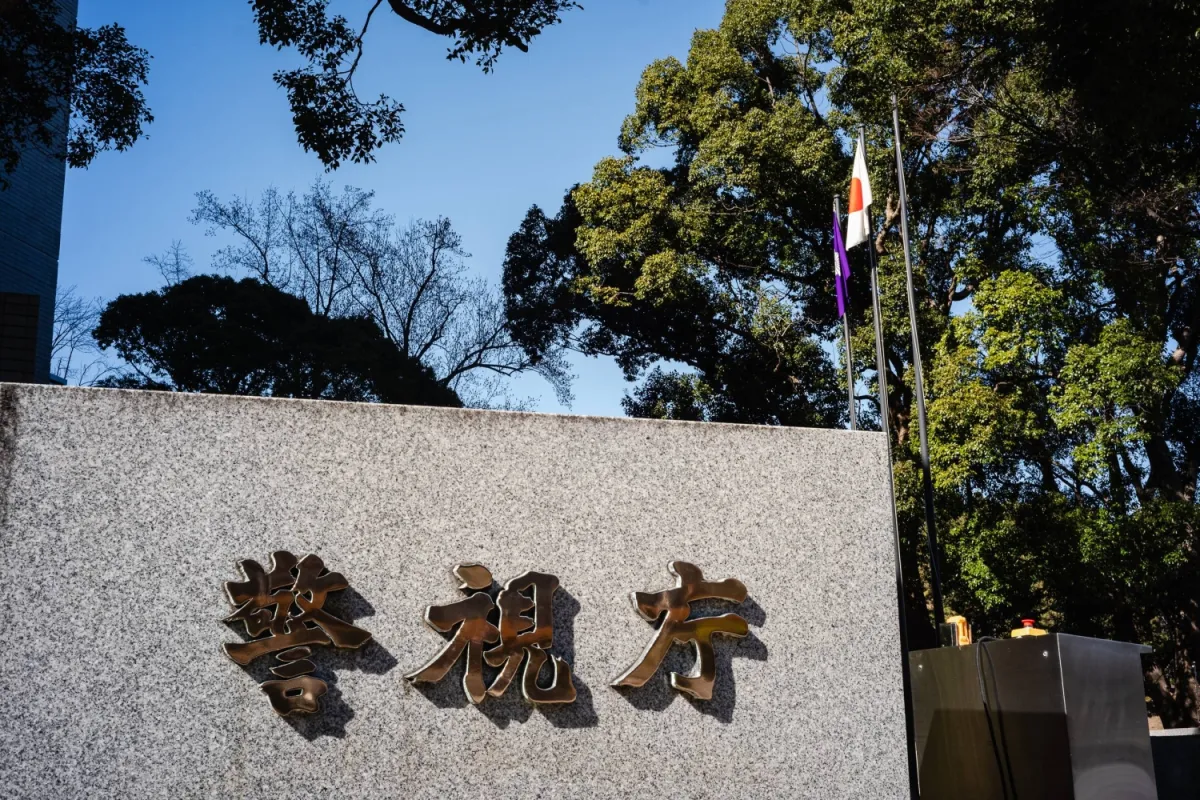
TOKYO – An extraordinary event has shaken the criminal landscape of Japan after a man was arrested for the theft of a luxury wristwatch valued at ¥46 million, or approximately Rp4.8 billion. However, what makes this case particularly striking is the fact that the stolen item was returned to its original store in the Nakano Broadway shopping mall, Tokyo, just days after the incident, complete with a handwritten apology note.
The incident began with a report of the fantastic valuable watch missing from a boutique in Nakano Broadway. Japanese police immediately launched an intensive investigation to track down the perpetrator. The shopping center, known as a paradise for collectors of luxury and rare items, instantly became the center of attention.
Days later, specifically on November 1, 2026, a mysterious package arrived at the address of the victimized store. Shop employees discovered the missing luxury watch inside, along with a piece of paper bearing an apology from the thief. The unconventional return of the stolen goods perplexed and astonished law enforcement officials and the public alike.
The Tokyo police confirmed the arrest of a man strongly suspected of involvement in both the theft and return of the luxury watch. The perpetrator's identity has not yet been disclosed to the public, but the arrest is expected to shed light on the motive behind this baffling act.
Although the primary evidence has been returned to its owner, the most intriguing aspect of this case is the motive behind the perpetrator's decision to return the watch he had stolen. Various speculations have emerged among the public and criminal observers.
One theory suggests a profound sense of guilt on the part of the perpetrator. The act of returning the item with an apology note indicates a strong internal conflict or remorse for his actions. Police are currently exploring this possibility through questioning the suspect.
Another theory points to the difficulty of selling such an expensive stolen item on the black market. A watch worth Rp4.8 billion is not an easy item to dispose of without attracting attention. The high risk of being caught while attempting to sell it might have been a primary consideration for the perpetrator to return it.
A third possibility is that the theft was not purely for economic gain. It could have been part of a protest, a dare, or even an attempt to gain attention. The apology note might not be an expression of pure remorse but rather part of a hidden message.
This unique case has become a hot topic, not only in Japan but also internationally. Modern society rarely witnesses criminal acts concluding with such a conscious return. This highlights the psychological complexity behind criminal behavior.
Security officials at Nakano Broadway are now reviewing their security protocols. Although the incident ended with the return of the item, the vulnerability exposed remains a valuable lesson for this shopping complex, which houses many luxury boutiques. This incident serves as a reminder that even in locations with tight security, unexpected incidents can still occur.
Luxury watch collectors and fans of Nakano Broadway have also expressed their astonishment. This case is a rare anomaly in Japan's criminal records, a country that generally has low property crime rates.
Further investigations will focus on the exact chronology of the theft, the route of the item's return, as well as the perpetrator's background and mental state. The public awaits an official release from the police regarding the full details and the true motive of this perplexing case.
Editorial Insight: The case of the luxury watch theft in Tokyo, which culminated in the return of the stolen item with an apology, is a rare phenomenon that challenges the stereotypes of criminal motives. This incident opens a deeper discussion about ethics, remorse, and the psychological complexity of criminal perpetrators, while also highlighting the effectiveness of law enforcement and the potential difficulties in selling high-value stolen goods. Moving forward, this case could become an interesting study for criminologists and law enforcement to understand crime dynamics that are not always driven solely by financial gain.