 Dorry Archiles
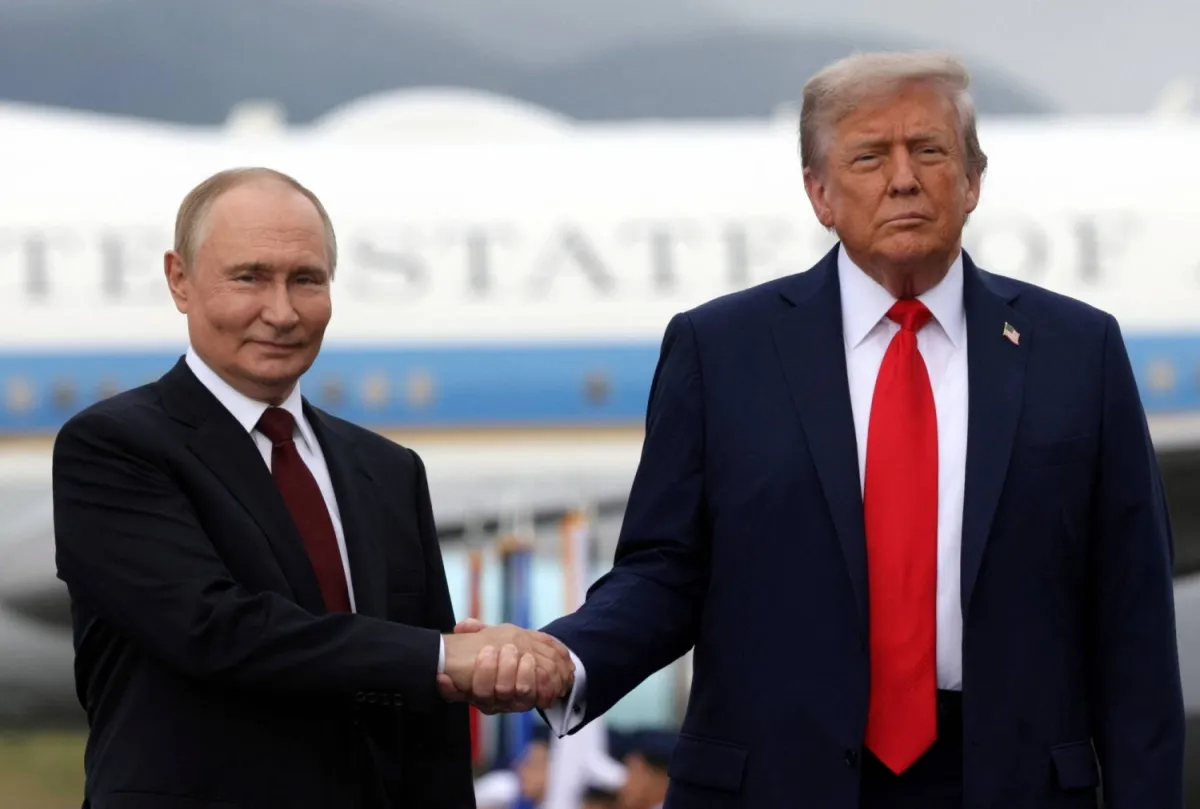
JAKARTA – A recent sharp analysis raises serious allegations that Russian President Vladimir Putin plans to target Europe as part of a geopolitical 'bribe' benefiting current US President Donald Trump, after he secures what he wants from Washington. This provocative claim, emerging amidst the global power dynamics of 2026, sparks significant concern among international relations observers about the stability of the blue continent and the global order.
The claim does not stand alone; the analysis highlights Putin's long track record of betraying business partners and exploiting geopolitical gaps for Moscow's advantage. This pattern indicates that any seemingly beneficial deal for Russia on the international stage may have larger hidden motives, with unexpected consequences for other parties, especially Europe, which stands on the front line of Russian influence.
Europe, with its strategic position and economic resources, has always been a focal point in Russia's geopolitical ambitions. After Putin achieves his objectives with the United States, whether through political or economic concessions, the envisioned scenario is that Europe will become the next target of Moscow's maneuvers. This could mean increased economic pressure, political interference, or attempts to undermine the unity of the European Union.
This alleged 'bribe' refers to the idea that Putin could offer indirect rewards to Trump, perhaps in the form of recognition of certain territories or deals favorable to Russia in the global arena, in exchange for a more lenient Washington stance on Moscow's ambitions in Europe. Donald Trump's track record, particularly in foreign policy, often demonstrates a pragmatic approach prioritizing US interests over traditional alliances.
This situation adds complexity to the global geopolitical turmoil of 2026, which is already rife with uncertainty. With lingering regional conflicts and an unabated arms race, the potential for Russian maneuvers against Europe could exacerbate security conditions and trigger a chain reaction from NATO and European Union member states.
European leaders and supranational institutions in Brussels appear to face a severe test in maintaining their internal solidarity. Threats of external destabilization often divide the bloc, creating openings for external actors to exploit differences of opinion among members.
The sovereignty and territorial integrity of Eastern European countries, especially those bordering Russia, will be a primary concern. History shows that this region often serves as a barometer of tensions between Russia and the West. Any aggressive step, even if not directly military, will be seen as a serious threat.
Several international security analysts have long warned about Russia's strategy of exploiting divisions in the West. Russia has a fundamental interest in weakening Europe's integrated security and economic architecture, stated a geopolitical expert in a closed forum, emphasizing that these tactics are long-term and strategic.
This narrative also aligns with Russia's historical patterns of seeking spheres of influence and securing its interests through aggressive diplomacy or covert intervention. From the Baltics to the Balkans, traces of Russia's efforts to establish its influence can be found, reminiscent of the Cold War era.
The potential for a deal detrimental to Europe between Russia and the Trump-led United States will further escalate concerns regarding sharply increasing geopolitical threats. This is not just about a shift in power, but also about redefining the post-Cold War world order, where old alliances may no longer guarantee security.
Intelligence communities across various European nations are likely monitoring these developments very closely, searching for signals or concrete evidence of the alleged scheme. Vigilance is key to preventing potential disinformation or interference that could trigger instability.
The economic implications of division or uncertainty in Europe also cannot be ignored. Global investors may withdraw capital, causing market volatility and slowing economic growth that is struggling to recover from various global challenges.
Debates regarding the response to Russia will become more intense in European capitals. Some countries may advocate a tougher approach, while others might seek diplomatic channels to de-escalate tensions, as seen in the debate on Ukraine's decisions without Spain. This highlights internal divisions that can be exploited.
Ultimately, this article highlights the need for strategic vigilance and unity among democratic nations. The threats described, though still in the realm of allegations and analysis, demand a coordinated and firm response to protect Europe's sovereignty and collective interests.
Editorial Insight: The allegations regarding a geopolitical 'bribe' scheme involving Vladimir Putin and Donald Trump, with Europe as the target, are not merely conspiracy theories but a reflection of Russia's behavioral patterns and the vulnerable dynamics of transatlantic relations. If this scenario materializes, its impact could be massive, potentially altering the world's geopolitical map and challenging the foundations of Western alliances. Europe must strengthen its internal and external defenses and seek stronger strategic alignment to confront this multidimensional threat.