 Chandra Wijayanto
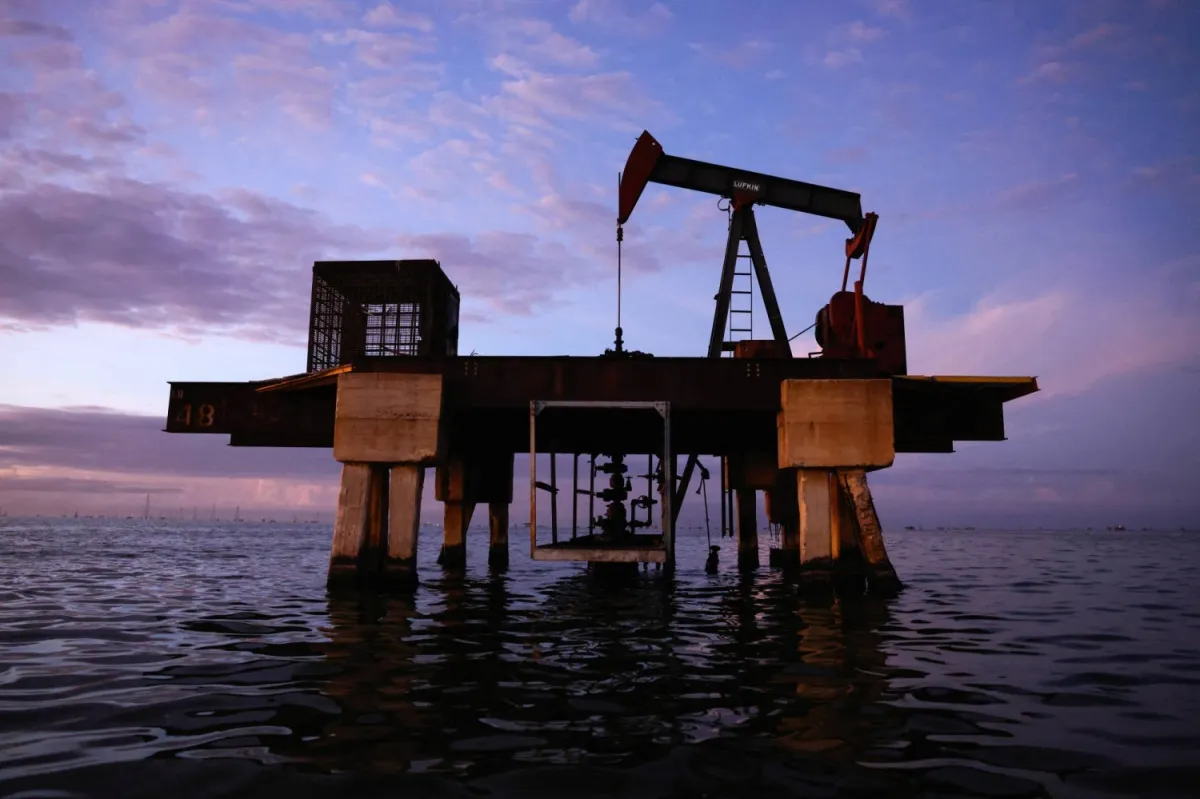
WASHINGTON – The ambitious oil deal between the United States and Venezuela, once touted by President Donald Trump as a significant breakthrough, now faces a harsh reality check. The project, expected to revitalize Venezuela's energy sector, is at risk of stalling in 2026, following doubts about the capacity of its primary implementer, North American Blue Energy Partners, a relatively little-known firm led by Venezuelan businessman Alejandro Betancourt.
This agreement, first announced during Trump's previous administration, promised a substantial increase in Venezuela's oil production, while also opening up much-needed foreign direct investment. However, that promise is fading amid unresolved political and economic complexities in Caracas and the less-than-stellar track record of its implementing partner.
North American Blue Energy Partners, an entity that has largely flown under the international media radar, now bears the heavy burden of realizing this ambitious dream. The company's background and prior experience in projects of this scale are raising serious questions from global energy industry observers.
Alejandro Betancourt, a central figure behind North American Blue Energy Partners, is known to have a rather controversial track record in Venezuela. His involvement in several past business schemes has fueled skepticism, particularly concerning the company's ability to handle multi-billion dollar multinational investments.
Realizing an oil deal of this magnitude in Venezuela's challenging operational environment requires more than just political backing, said Dr. Elena Petrova, an energy analyst at the Global Energy Institute, in our exclusive interview. It demands significant capital, world-class technical expertise, and most importantly, transparency and credibility. Whether North American Blue Energy Partners meets these criteria remains a big question mark.
These strong warnings are not without foundation. Since early 2026, on-the-ground progress has tended to stagnate. Experts note that Venezuela's aging and poorly maintained oil infrastructure requires massive investment and technological upgrades that have not been concretely demonstrated by the implementer.
This situation further clouds the prospects for Venezuela's economic recovery, which is heavily reliant on its oil sector. Yet, President Donald Trump himself once expressed optimism that this deal would be a cornerstone of regional economic stabilization.
Geopolitical challenges also cannot be ignored. Despite efforts to ease some oil-related sanctions, political tensions between Washington and Caracas continue to loom. Every step forward can easily be hampered by fragile diplomatic dynamics.
Failure to realize this agreement will not only harm Venezuela but could also set a negative precedent for other companies considering investments in high-geopolitical-risk countries. Investors seek certainty, and the uncertainty in this case is too glaring.
Several commodity market analysts have revised their projections for Venezuela's oil production in the coming years, with many lowering their estimates. This indicates that hopes for the Trump-initiated deal have now shifted to a grimmer realism.
Editorial Insight: The case of this Venezuela mega-oil deal serves as a sharp reminder of the chasm between political rhetoric and the reality of business implementation on the ground. The involvement of an untested entity in a high-stakes strategic project highlights the importance of stringent due diligence, especially when involving the natural resources of a nation grappling with crisis. The future of Venezuela's oil production, and the credibility of investment promises, now heavily depend on North American Blue Energy Partners' ability to prove its capabilities, amid a cloud of unanswered significant questions.