 Angela Stefani
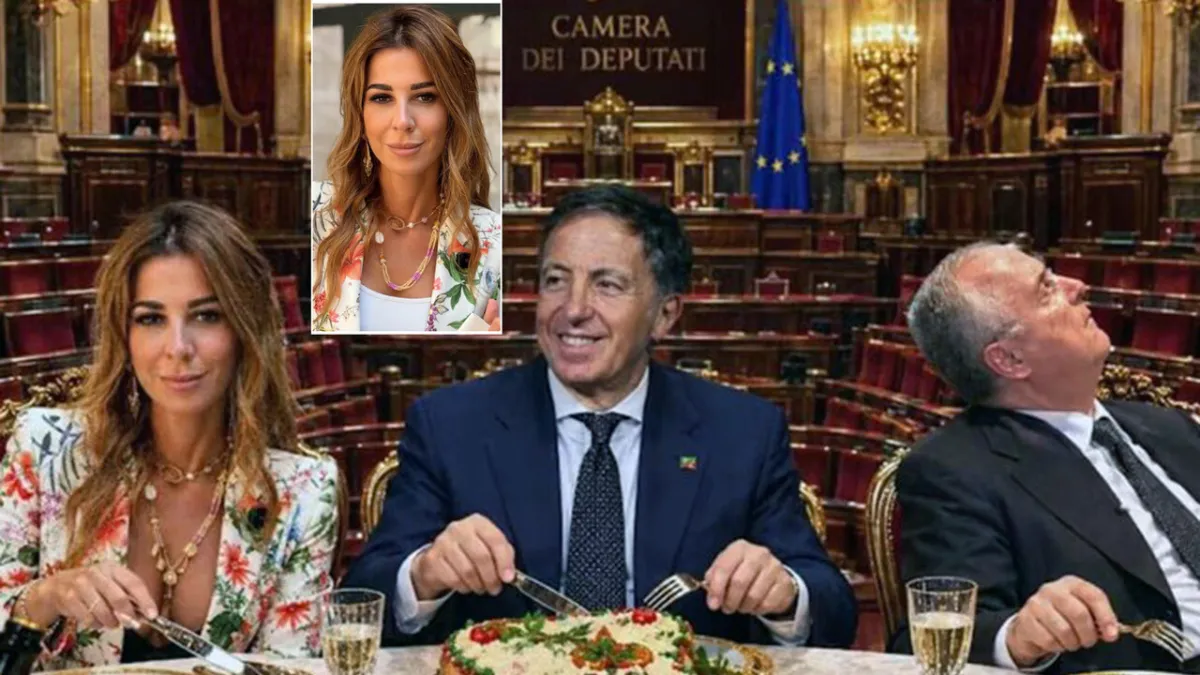
Reggio Calabria – The political arena in Reggio Calabria is tumultuous ahead of today's scheduled by-election vote. A wave of controversy has engulfed General Roberto Vannacci after a fake photo featuring Matilde Siracusano circulated widely, sparking a storm of speculation and damaging accusations. This incident overshadows the campaign, testing the integrity of the democratic process, and eliciting reactions from various political figures, including Antonio Tajani, who remains confident in the victory of his candidate, Roscioli.
The scandal erupted when a irresponsibly manipulated digital image began to spread across social media platforms and messaging apps, creating a misleading narrative. The image, proven to be fake, attempted to associate Matilde Siracusano, a well-known political figure, with a detrimental context. This incident immediately became a hot topic among the public and political elite.
Responding to the allegations against him, General Vannacci firmly denied any involvement. 'Look better,' he stated, implying that those who spread or believed the photo should have verified the information more carefully. Vannacci's statement reflects an unwavering stance against disinformation efforts that harm his reputation ahead of this crucial by-election.
This fake photo controversy is expected to influence public opinion and potentially alter voting dynamics in the by-election. Issues of integrity and the spread of fake news often become political weapons capable of swaying or undermining the credibility of a candidate or public figure. The people of Reggio Calabria are now challenged to filter information amid a barrage of digital propaganda.
Amidst the clamor, Antonio Tajani, a central figure in the Italian political scene, expressed optimism. He declared he was not intimidated by the attacks on Vannacci and the potential impact of the scandal. 'Roscioli will be a deputy,' Tajani said confidently, emphasizing that his team remains focused on substantial campaigning and voter trust.
This by-election in Reggio Calabria aims to fill a vacant deputy seat, making it crucial for both local and national political landscapes. The contest for this position attracts widespread attention, not only because of the importance of representation but also due to the incidents that have colored its campaign process.
Matilde Siracusano, whose image was used in this manipulation, is known as a politician with a significant support base. The unauthorized use of her photo in a negative context has raised serious questions about campaign ethics and the protection of individual privacy in politics.
The emergence of this scandal also sparked debate about the role of digital media and user responsibility in verifying information. The ease of content dissemination in the digital age, if not balanced with strong media literacy, can create an environment vulnerable to manipulation and the spread of hoaxes.
Authorities and the local Electoral Commission are expected to take firm action to ensure the integrity of the election. An investigation into the source and disseminators of this fake photo is crucial to upholding justice and deterring similar incidents from recurring in the future.
The political tension engulfing Reggio Calabria today mirrors the challenges faced by many democracies in the information age. Between the speed of information and accuracy, between political competition and ethics, society is expected to remain vigilant and critical in making their choices.
Editorial Insight: The fake photo scandal involving General Vannacci just before the Reggio Calabria by-election underscores the fragility of the modern information landscape. This incident is not merely a political maneuver but a serious indicator of how disinformation can erode the foundations of democracy. It is crucial for voters to adhere to verified facts and for authorities to take decisive action against those who attempt to manipulate public opinion through dishonest means.