 Dorry Archiles
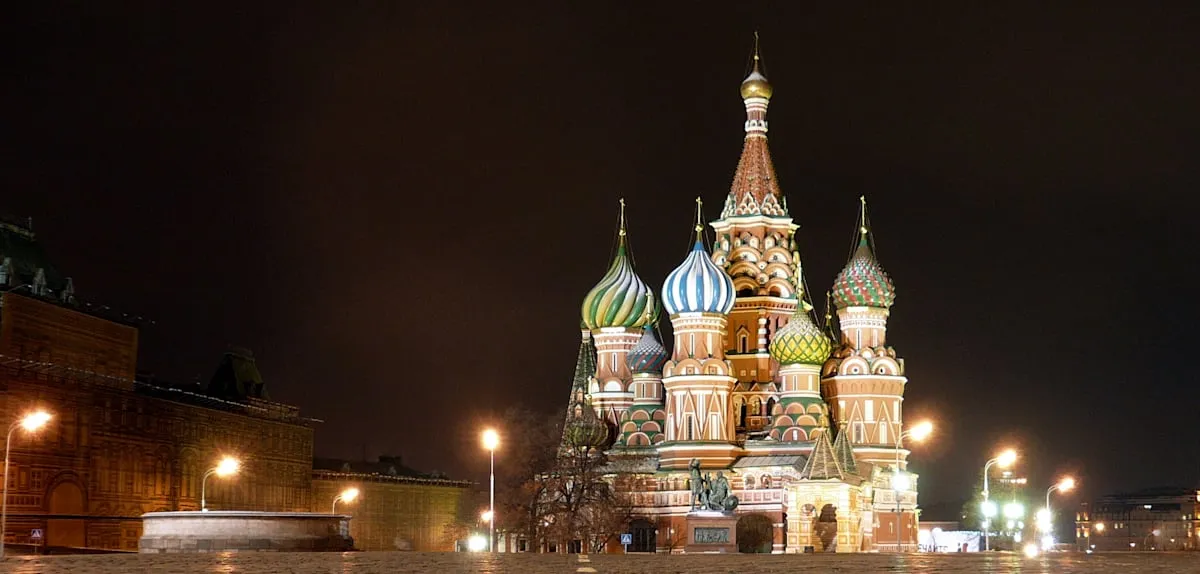
MOSCOW — Entering the fifth year of armed conflict, Russia's economy faces a serious predicament with no clear prospects for growth. Leading Russian economists have identified nine fundamental pillars as the main causes of this decline, plunging the Russian Federation into a period of profound economic uncertainty.
Economic stagnation has become a dominant feature, dashing hopes for a quick recovery that was once touted. Macroeconomic indicators show a significant slowdown, with key sectors burdened by a series of internal and external challenges.
One of the main triggering factors is the massive international sanctions imposed since the beginning of the conflict. These restrictions have drastically limited Russia's access to global markets, vital technology, and international financial systems, creating increasingly severe economic isolation.
The second pillar is the exodus of talent, also known as brain drain. Thousands of skilled professionals, scientists, and highly educated workers have chosen to leave Russia, seeking opportunities in other countries. This phenomenon erodes the foundation of a productive and innovative workforce that is desperately needed.
Furthermore, the lack of foreign direct investment (FDI) and capital flight are crucial causes. Global investor confidence in Russia's economic stability and prospects has collapsed, leading to a drying up of fresh funds vital for industrial and infrastructure development.
The soaring military budget also acts as a thorn in the side. Massive allocation of funds for war needs drains state coffers, reducing investment in civilian sectors such as health, education, and infrastructure development, which are actually long-term growth drivers.
Persistent inflationary pressures and the depreciation of the ruble's exchange rate exacerbate public purchasing power. Prices of goods and services have skyrocketed, while real incomes stagnate, leading to a decline in living standards for the majority of Russian citizens.
Isolation from global supply chains and conventional export-import markets forms another pillar of the crisis. Russia is forced to seek alternative trading partners and logistical routes that are often less efficient and more expensive, increasing production costs and consumer prices.
Limited access to advanced technology, especially from Western countries, hinders the modernization of Russian industries. Efforts for technological self-sufficiency face serious obstacles, leaving several strategic sectors lagging behind global competitors.
Volatility in global energy prices, although once beneficial, is now a double-edged sword. Russia's economic dependence on oil and gas exports makes it vulnerable to market fluctuations, especially with global efforts towards energy transition and potential post-ceasefire threats as highlighted in a related article on The Threat of Rising Global Oil Prices Looms Post-US-Iran Ceasefire.
The ninth pillar involves demographic challenges. Russia's population faces problems of declining birth rates and life expectancy, as well as an aging population. This reduces the potential for workforce growth and burdens the social security system.
Economists warn that without substantial policy changes and a resolution to the conflict, Russia's economic outlook will remain bleak. They highlight the need for fundamental economic diversification, moving away from reliance on natural resources.
The Russian government, under the leadership of President Vladimir Putin in 2026, has attempted various mitigation measures. These policies include seeking new markets in Asia and Africa, strengthening ties with non-Western allies, and promoting import substitution, but their effectiveness remains limited.
The impact of this economic decline is directly felt by the Russian people. Many citizens face job reductions, wages that do not keep pace with inflation, and strained public services. This situation has the potential to trigger social discontent if not effectively addressed.
Geopolitically, Russia's economic decline has broad implications. Weakening economic power can affect the country's ability to maintain its influence on the international stage, even if its political ambitions remain high.
In conclusion, expert analysis affirms that Russia's economic challenges are not temporary issues. This is a structural crisis exacerbated by current policies and the geopolitical situation, demanding a comprehensive reform approach to prevent more severe long-term impacts.