 Dorry Archiles
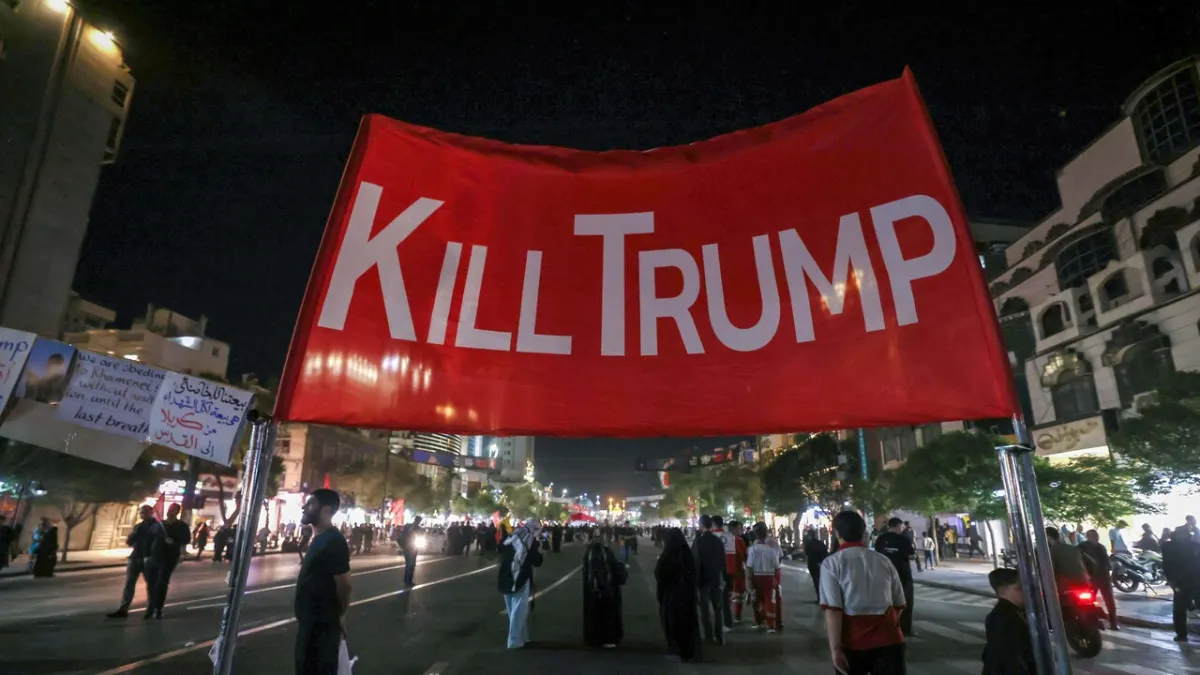
TEHRAN — Tensions in the Middle East have reached a new boiling point following a series of air strikes launched by the United States against strategic targets in Iran, including railway bridges. This incident, occurring recently in early 2026, immediately triggered a strong reaction from Tehran, which threatened to close the Strait of Hormuz if its sovereignty continued to be violated, while air raid sirens sounded in Kuwait and Bahrain accompanying reports of explosions.
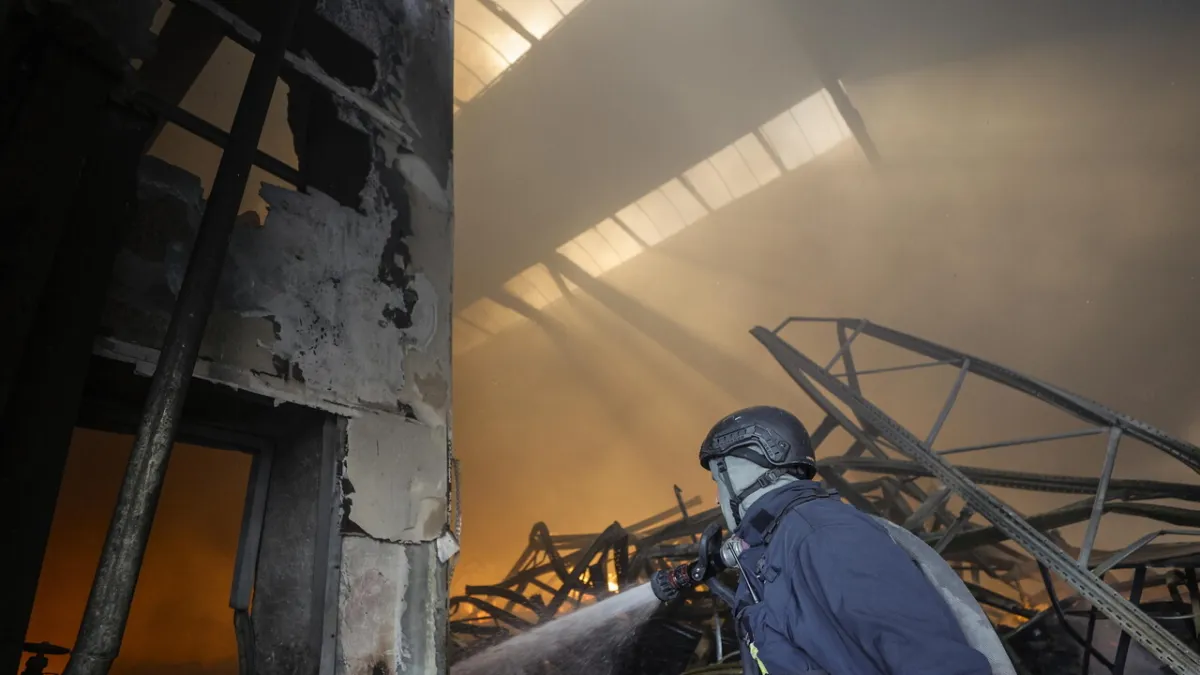
These strikes, targeting vital infrastructure, according to unnamed intelligence sources, aimed to cripple Iran's military logistical capabilities and send a clear message regarding their regional activities. Railway bridges crucial for the movement of military personnel and equipment reportedly suffered significant damage.
The Iranian government, through its Ministry of Foreign Affairs spokesperson, condemned the United States' actions as a blatant aggression against national sovereignty. "Such military intervention will never be left unanswered. The United States must understand the consequences of their every provocative step," the spokesperson stated at a press conference in Tehran.
The threat of closing the Strait of Hormuz became a central point of concern. This strategic strait, which serves as the primary route for one-fifth of the world's oil supply, has always been Iran's trump card in any conflict escalation. "The Strait of Hormuz will remain open for international shipping, but only under conditions set by the Islamic Republic of Iran," a senior official from the Islamic Revolutionary Guard emphasized.
Immediate reactions were felt across the Gulf region. Air raid sirens blared in the skies of KUWAIT and BAHRAIN shortly after the attacks were reported, causing widespread concern among residents. Some reports indicated explosions were heard near military bases hosting US forces in both countries, though there has been no official confirmation regarding targets and damage.
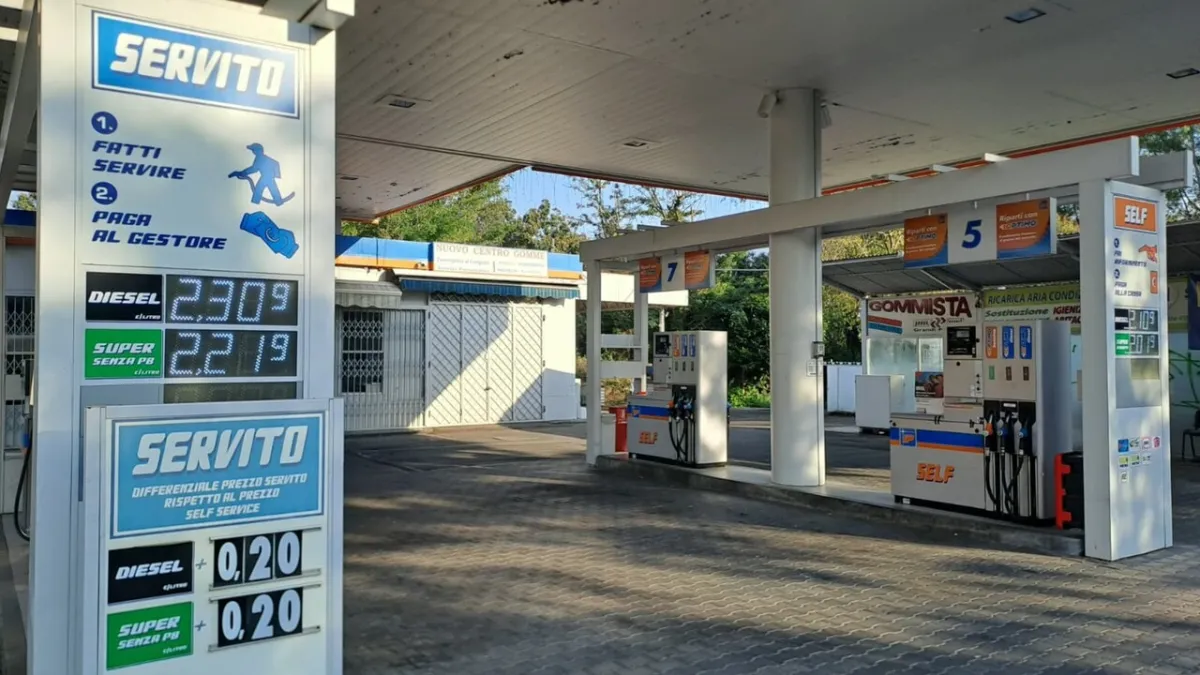
Geopolitical analysts highlighted the potential for a global crisis if the Strait of Hormuz were indeed closed. Such a move could trigger a surge in global oil prices, which in turn would shake the fragile global economic stability in 2026. This issue is not unprecedented; similar tensions have recurred several times in the past decade.
"Escalation in the Persian Gulf is the worst-case scenario for global energy markets," said Dr. Hassan Ahmadi, an international relations expert from the University of Tehran. "The domino effect on supply chains and inflation will be unavoidable." This situation brings to mind previous concerns about the threat of global oil price hikes after the US-Iran ceasefire.
The administration in Washington, through the Department of Defense, issued a brief statement confirming the military operation. They stated that the strikes were a "measured response to ongoing threats to the interests of the United States and its partners in the region." However, specific details regarding the threats were not disclosed to the public.
The international community called on all parties to exercise restraint. The United Nations, through its Secretary-General, urged immediate dialogue and de-escalation to prevent a wider conflict. Various European nations also expressed deep concern over the deteriorating regional security situation.
Tensions between the United States and Iran have deep historical roots, often exacerbated by Iran's nuclear program, support for proxy groups in the Middle East, and economic sanctions. These attacks mark a new chapter in the complex conflict dynamic, sparking speculation about the direction of US foreign policy under President Joe Biden's administration in 2026.
The world now awaits Tehran's next response and whether the threat of closing the Strait of Hormuz will materialize, or if it is merely strong rhetoric aimed at pressuring the United States to halt its military operations. The future of regional stability and the global economy hinges on the diplomatic steps to be taken in the coming days.