 Gabriella
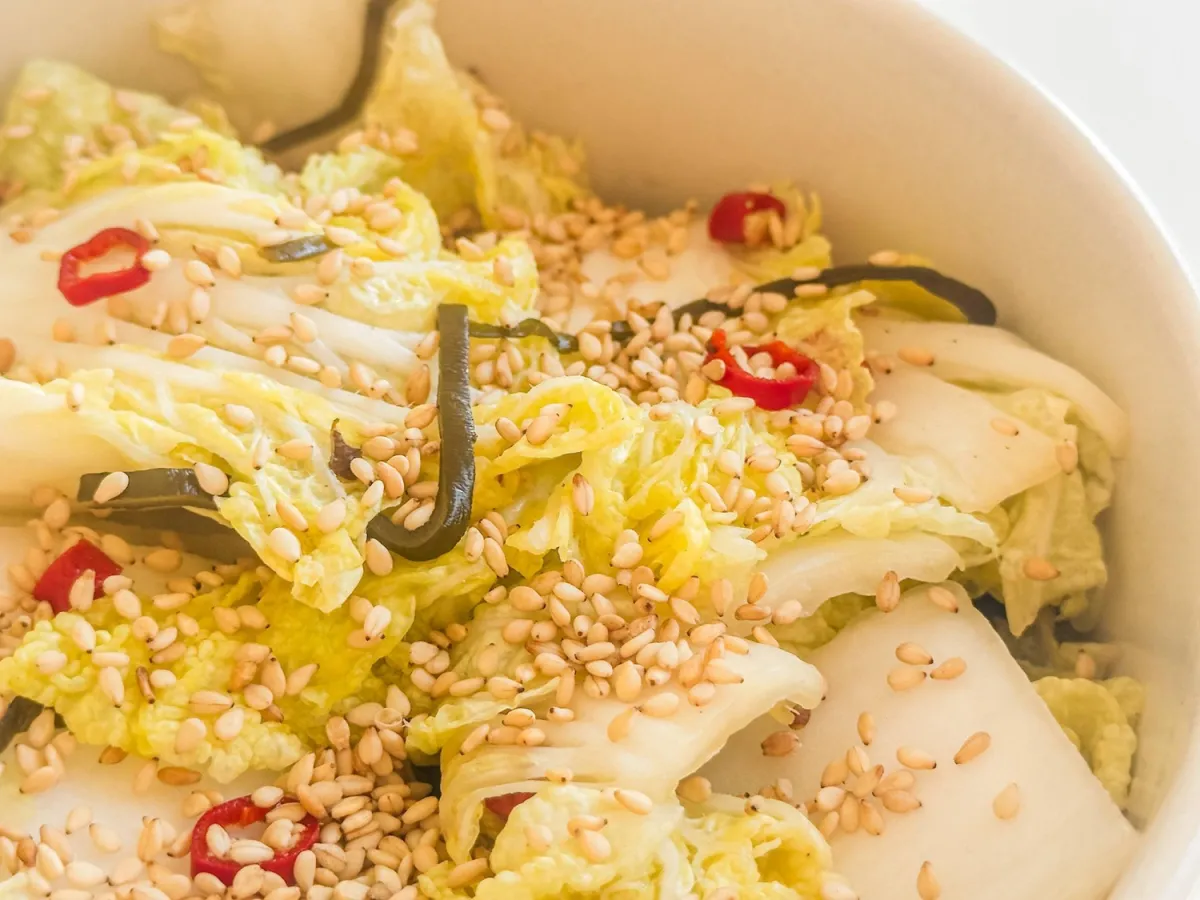
Tokyo – Hakusai cabbage, the leafy green vegetable relatively new to Japan's culinary landscape, is currently reaching its peak freshness. This phenomenon, which occurs each winter, presents this nutrient-rich vegetable as an ideal choice for the public to combat the cold weather in 2026, making it an indispensable staple in both traditional and contemporary dishes.
The introduction of hakusai cabbage to Japan, also known as Chinese cabbage or Napa cabbage, dates back to the early 20th century. Despite its relatively shorter history compared to local root vegetables or European cabbage varieties, hakusai quickly established its position thanks to its good climatic adaptability and the high nutritional value it offers.
Farmers across various prefectures, from Hokkaido to Kyushu, report abundant hakusai harvests this year. Optimal weather conditions during the growth phase contributed to the size, texture, and especially the natural sweetness that characterizes the cabbage at its peak freshness.
Every winter, hakusai is the star, stated Hiroshi Tanaka, a botany expert from Tokyo University of Agriculture. Its crisp yet tender leaf structure after cooking, along with its ability to absorb seasoning flavors, makes it irreplaceable in warm soup dishes.
The peak freshness of hakusai means the vegetable offers its most optimal nutritional content. This cabbage is rich in Vitamins C and K, as well as essential dietary fiber to maintain a robust immune system amidst extreme temperature changes. This intake of vitamins and minerals is crucial for preventing seasonal illnesses.
Hakusai's popularity is not confined to households. Many restaurants, from humble ramen stalls to luxurious kaiseki establishments, compete to present special winter hakusai dishes. Nabe (hotpot), miso soup with sliced hakusai, and pickled vegetables (tsukemono) are among the sought-after menu favorites.
One iconic dish that leverages the freshness of hakusai is the layered pork and hakusai Nabe, a simple yet flavorful recipe that provides true warmth. Its easy cooking process makes this dish a practical choice for busy modern families.
Beyond its deliciousness and nutritional content, hakusai also plays a significant role in Japanese agricultural sustainability. With a relatively short growing cycle and resistance to several common pests, hakusai is an economical and environmentally friendly crop for many small-scale farmers.
The year 2026 has witnessed an increased public awareness of the importance of consuming local and seasonal vegetables. Hakusai cabbage, with all its advantages, stands as a symbol of this movement, encouraging consumers to return to the dining table with fresh ingredients from nearby farms.
Globally, the popularity of East Asian hakusai cabbage is also expanding into Western markets. International chefs are beginning to explore the potential of this vegetable in various fusion cuisines, appreciating its unique texture and flavor that can complement diverse seasoning profiles.
Editorial Insight: The peak freshness of hakusai cabbage is more than just a seasonal phenomenon; it reflects Japan's culinary adaptation and innovation. This vegetable's presence, despite its relative novelty, has successfully penetrated strong culinary traditions and become a crucial pillar in maintaining public health, especially during winter. This demonstrates how nutritional value and adaptability can transform a newcomer into a star on the national gastronomic stage.