 Chandra Wijayanto
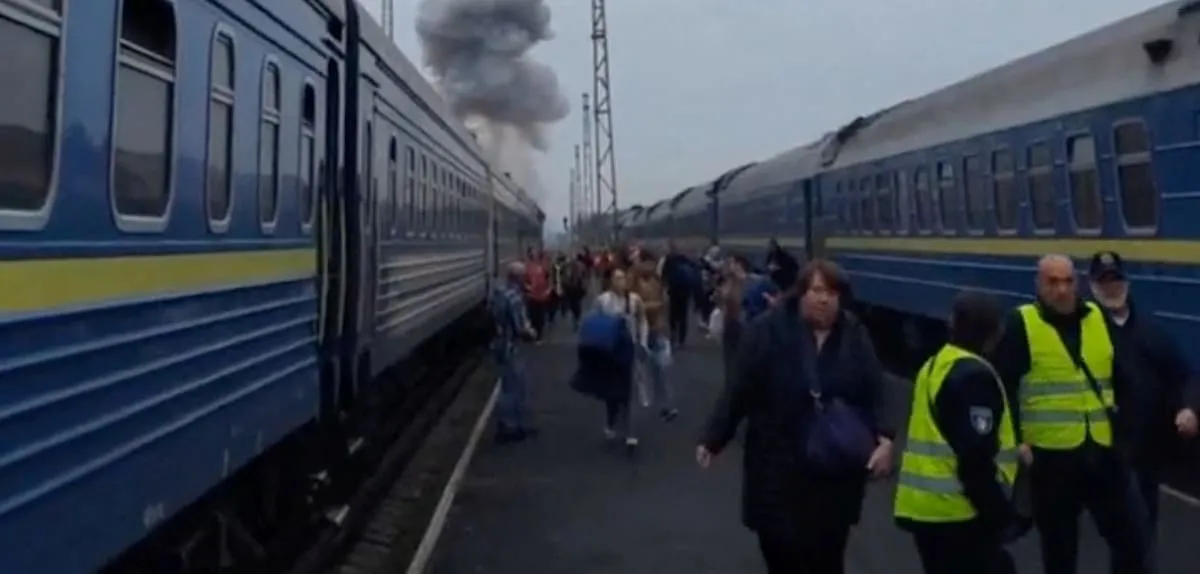
WARSAW – The Russian Federation reportedly attacked a passenger train near the Polish border. This incident, according to military expert Markus Reisner, signals a serious threat to Western politicians and marks an escalation in the ongoing conflict. The event immediately sparked deep concern among European nations in 2026.
Reisner, a respected expert in military strategy, affirmed that the attack was not merely a sporadic incident. He stated that Russia is now taking the next rung on this escalation ladder. This remark refers to Moscow's pattern of progressively increasing pressure on countries supporting Ukraine.
Attacks on civilian infrastructure, particularly passenger trains, directly target the daily lives of citizens and carry significant psychological impact. The location of the incident, close to the Polish border, also draws sharp attention, considering Poland is a NATO member and a key supporter of Ukraine.
Expert Reisner also highlighted a statement originating from the Kremlin. This statement, though not detailed, is believed to contain an implicit message further reinforcing Russia's intent to broaden the scope of its threats. This fuels speculation about a potentially stronger response from the Western alliance.
Geopolitical observers note that this attack occurs amidst rising global tensions and fierce debate in Europe regarding support for Ukraine. Some European politicians, as articulated by Merz, have even expressed concerns about divisions within the West due to inconsistent strategies.
The immediate impact of this attack is an increased state of alert in NATO's eastern border countries. Air defense systems are being strengthened, and joint military exercises may be stepped up as a tangible response to the increasingly real threat.
The Polish government, through its spokesperson, vehemently condemned the attack as an unacceptable act of provocation. They called on the international community to take concrete steps to curb Russia's expansionist ambitions and protect the sovereignty of neighboring states.
This crisis also underscores the urgency for Europe to re-evaluate their defense and security strategies. Previously, Kretschmer had called for Germany to focus more on national defense, a view that now resonates more strongly following this incident.
The tension on the Eastern European border is not merely a regional issue; it carries global implications. The potential for conflict escalation is a primary concern for world leaders, who strive to find diplomatic solutions while preparing for the worst-case scenario.
This train attack incident serves as a bitter reminder that the conflict in Eastern Europe is far from over, and any miscalculated action has the potential to trigger a broader wave of turmoil. The world awaits a prudent response from all parties to prevent a larger catastrophe.
Editorial Insight: The attack on a civilian train near the NATO border is not just a military tactic, but a very blunt political message from Moscow. It targets Western resolve and seeks to create fissures among allies. A coordinated and firm response, without falling into the trap of uncontrolled escalation, will be crucial to maintaining regional stability and the credibility of the alliance. Failure to respond proportionally could be interpreted as weakness, potentially inviting further provocative actions.