 Dorry Archiles
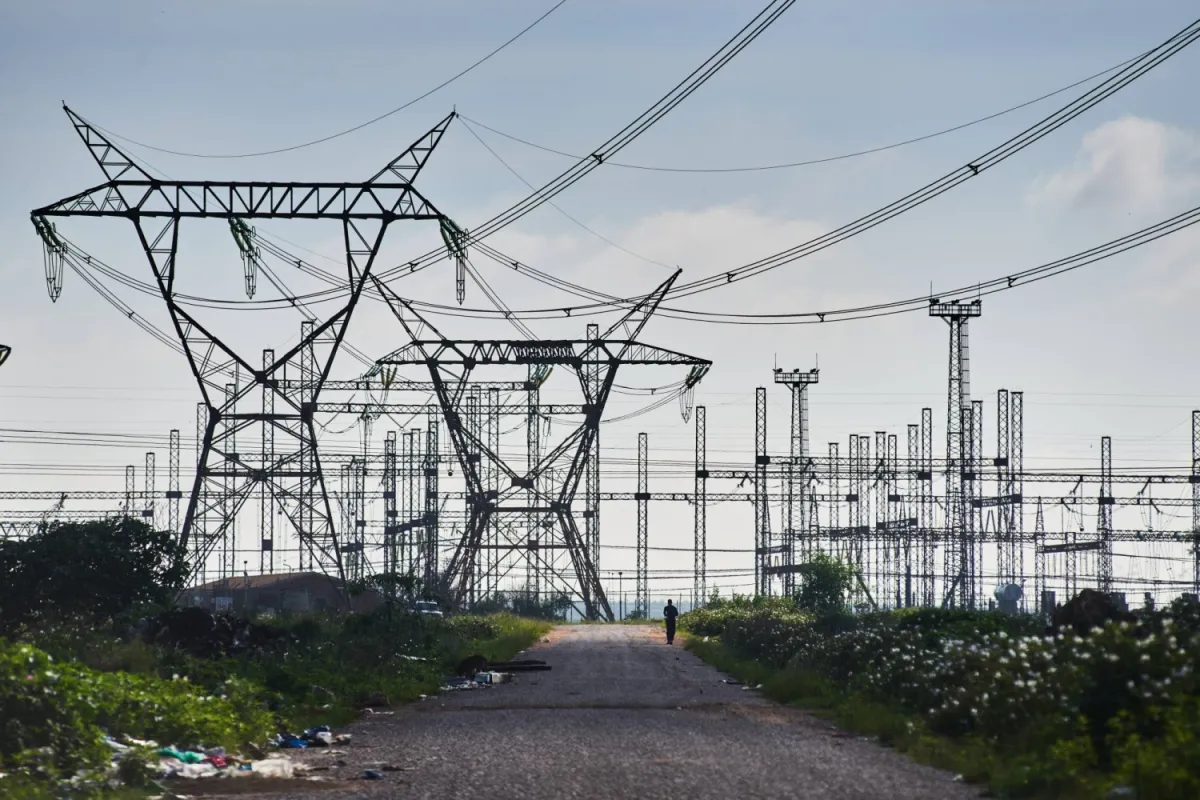
NEW YORK – Crucial efforts to accelerate the electrification of the global economy have encountered significant obstacles. Two dozen nations, approximately 24 member states of the United Nations (UN), have explicitly refused to recognize a vital commitment to increase electricity's share of global final energy demand to 35% by 2035. This rejection emerged during recent UN climate talks, casting serious doubt on the ambitious prospects for energy transition.
The failure to reach a consensus on this electrification target represents a major setback for the global agenda to combat climate change. The 35% target by 2035 is not merely a number; it symbolizes a collective commitment to reduce reliance on fossil fuels and shift towards cleaner energy sources.
Diplomatic sources following the negotiations indicate that the dissenting nations generally possess strong economic interests in the fossil fuel industry or face substantial challenges in transitioning to clean energy. Their arguments center on concerns over implementation costs, energy supply stability, and potential impacts on domestic economic growth.
Since global oil prices experienced sharp fluctuations in early 2026, the pressure to find alternative energy solutions has intensified. However, the resistance from several countries underscores the complexity of achieving collective agreement, especially when fundamental national energy and economic policies are at stake.
Global energy policy analysts have warned that without concrete steps toward higher electrification, the goal of Net Zero Emissions by mid-century will become increasingly elusive. Electrification is considered one of the main pillars in decarbonizing various sectors, from transportation to heavy industry.
This rejection also raises questions about the effectiveness of the UN negotiation format in mobilizing necessary climate action. Despite deep urgency, national sovereignty and short-term economic interests often prove to be unavoidable stumbling blocks.
The commitment to increase electricity's share to 35% by 2035 was previously touted as a realistic yet significant step. This figure was designed to provide sufficient time for countries to invest in renewable energy infrastructure and stronger transmission grids.
The repercussions of this deadlock are expected to be felt in the long term, not only in climate mitigation efforts but also in the dynamics of the global energy market. Uncertainty regarding the direction of energy transition could hinder investment and innovation in the green energy sector.
Nations supporting the commitment expressed deep disappointment, emphasizing that failure to agree on this basic target would send a negative signal to markets and civil society. They urged continued dialogue and negotiations to find common ground.
Editorial Insight: The deadlock at the UN climate talks highlights the bitter reality of the global energy transition. The conflict between climate ambitions and national economic interests, coupled with financial and technological challenges, emerges as a primary impediment. The future of global electrification, essential for climate targets, now faces a formidable path that demands more strategic diplomacy and stronger incentives to align developed and developing nations.